In the heart of Bastia’s citadel, the Oratoire Sainte-Croix houses a venerated crucifix known as the Black Christ of Miracles. For centuries, this dark wooden figure has drawn the faithful of Corsica, symbolizing protection, resilience, and local Catholic identity. The sculpture’s story begins at sea in 1428, when, according to tradition, the crucifix was discovered floating on the waters — an event still commemorated today.
The Black Christ is not merely an object of art; it is a focal point of communal devotion. Each year, the people of Bastia honor the crucifix with a procession and the traditional blessing of the sea, linking the city’s maritime heritage with its faith. For visitors, understanding the history and meaning of this icon offers a window into the soul of Corsican Catholicism.
Historical Origins: Discovery at Sea in 1428
According to local tradition, the crucifix was found floating in the sea off the coast of Bastia in 1428. This miraculous discovery is central to the Black Christ’s veneration. The exact circumstances of how the sculpture came to rest on the water remain part of legend, but the date has become a cornerstone of the narrative passed down through generations.
The find was interpreted as a divine sign, and the crucifix was enshrined in the Sainte-Croix oratory, where it has remained a focus of prayer. Over the centuries, the sculpture’s dark color — likely from age, candle smoke, or the wood itself — contributed to its evocative name, the Black Christ. This natural ageing process is a common feature of medieval wooden crucifixes, and no alternate symbolism is documented by official sources.
The Oratoire Sainte-Croix: Home of the Black Christ in the Citadel
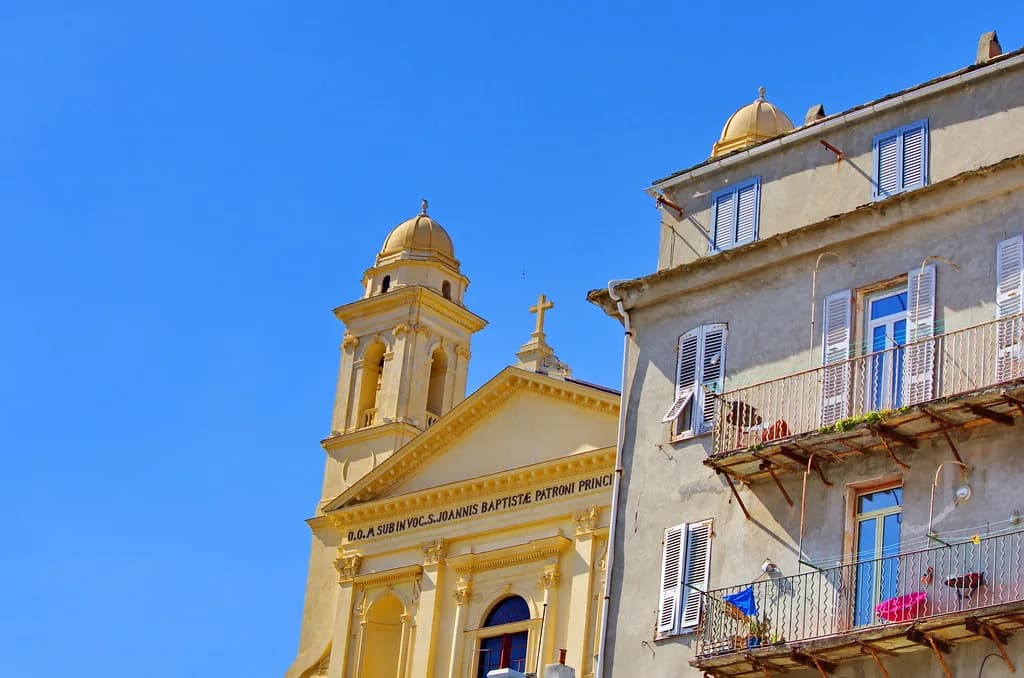
The Oratoire Sainte-Croix, or Oratory of the Holy Cross, stands within the walls of Bastia’s citadel, a historic quarter overlooking the sea. This Baroque chapel is the permanent residence of the Black Christ of Miracles, a fitting home given its prominent role in the city’s religious life. Its ornate interior and elevated position make it a compelling stop for those exploring Bastia’s heritage.
The oratory is not a cathedral but a confraternity chapel, reflecting the important role of lay brotherhoods in Corsican religious life. When planning a visit, you can find the oratory by following signs to the citadel and looking for the Sainte-Croix chapel. Because opening hours can vary seasonally, check the official Bastia tourism website before you go.
The Annual Procession and Blessing of the Sea
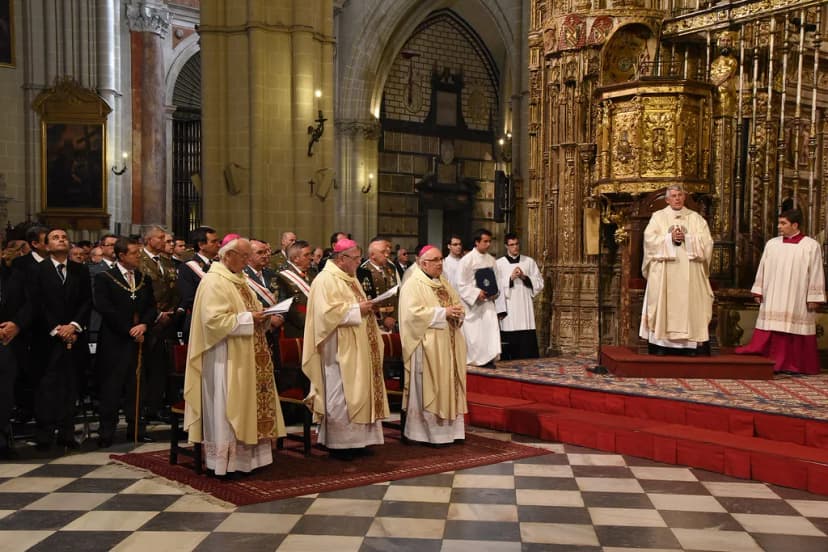
Every year on 3 May, Bastia honors the Black Christ with a solemn procession that is a highlight of the city’s devotional calendar. The multi-day observance includes a novena in the oratory, masses in Corsican, and a solemn liturgy. Then a procession of fishermen, confraternities, and the faithful makes its way through the citadel’s streets to the old port, culminating in the traditional blessing of the sea. This tradition, rooted in a 1428 maritime discovery, ties together faith and the sea in a way unique to Bastia. For the most accurate planning details, consult the most recent listings on the Corsican official tourism website.
Understanding the Name: Why ‘Black Christ’?
The term ‘Black Christ’ in Bastia refers to the dark appearance of the crucifix, a patina built up over centuries from candle soot and natural wood aging. This is a matter of material history, not a symbolic statement. The name differentiates the sculpture from other, unrelated ‘Black Christ’ concepts that appear in theological discourse or contemporary art, which address questions of race and representation rather than local devotional history.
In Bastia, parishioners call the sculpture the Black Christ of Miracles, a title that underscores its role as a conduit of divine favor. Unlike other dark crucifixes that may carry a specific legend of origin for their color, Bastia’s documentation emphasizes the sea discovery and the miracles that followed. The name should be understood within this local context, separate from broader theological interpretations that use the same term differently.
Religious Meaning: Miracles, Protection, and Popular Piety
For the people of Bastia, the Black Christ represents divine protection, especially for those who venture out to sea. The annual blessing of the waters is a tangible expression of this trust, seeking to safeguard fishermen and sailors from danger. This form of popular piety is woven into the community’s identity, practiced with deep conviction.
The ‘of Miracles’ in its title points to countless answered prayers and healings attributed to the crucifix through the centuries. These accounts of intercession have made the oratory a pilgrimage destination for many in Corsica. For those researching its spiritual role, the story told by the visit-corsica official pages remains a primary reference, and it clearly frames the crucifix as a focus of protective devotion.
The Black Christ in Context: Other Dark Crucifixes
Bastia’s Black Christ is one of many dark-skinned crucifixes venerated across the Catholic world, each with its own local story. The most renowned is perhaps the Cristo Negro of Esquipulas in Guatemala, whose shrine draws pilgrims from across the Americas. Unlike that image, Bastia’s sculpture is not defined by a color-origin miracle but by its discovery at sea and the subsequent blessings associated with it.
These distinct traditions show how local circumstances shape devotion, with each community projecting its own history onto the figure of Christ. Though the term ‘Black Christ’ appears in various theological and cultural contexts—such as in discussions of race, like those from the Smithsonian’s NMAAHC that explore Black male crucifixion in media—Bastia’s sculpture is rooted in its own specific history.
Visiting the Oratory: Practical Information for Travelers
Travelers eager to see the Black Christ can pair a visit to the oratory with exploring Bastia’s citadel, a maze of narrow streets and stone houses that opens onto panoramic views over the port. The oratory sits within the fortified walls, a short uphill walk from the old harbor. Plan at least half an hour to take in the chapel’s ornate baroque decor and the crucifix in its place of honor.
To confirm current opening times, entry requirements, or any special services, contact the Bastia tourism office; they are best placed to provide up-to-date visiting details. The oratory is a working place of worship, so be mindful of services when you visit. If you time your trip for early May, you may be able to witness the procession and blessing firsthand, an experience that brings the statue’s history to life. For the best viewing spots, consult our guide on where to watch the Black Christ procession in Bastia.
Planning a Broader Trip: Festivals in France
If you are traveling to Corsica from elsewhere in France, consider exploring other cultural celebrations along the way. From Chartres en lumières to the Fête du Citron, the country hosts a rich calendar of events that reveal its regional diversity. For an overview, check our guide to festivals in France, which covers major events across the calendar year. For those planning a multi-stop trip, this resource helps you align travel dates with local festivities.
Plan Your Visit
The Black Christ of Bastia is more than a relic; it is a living emblem of Corsican Catholic identity. From its legendary sea discovery in 1428 to the modern-day procession, the crucifix continues to anchor the spiritual life of the city. Understanding its history deepens any visit, whether you come as a pilgrim or a culture enthusiast.
For a fully realized visit, consider combining a pilgrimage with exploring the island’s broader festival scene; enjoy the atmosphere of French religious and cultural celebrations across many regions. Always confirm event details with official sources before you travel, as schedules and procedures may evolve.
Frequently Asked Questions
What is the story behind the Black Christ of Bastia?
According to local tradition, the crucifix was found floating at sea in 1428 and brought to Bastia, where it was enshrined in the Sainte-Croix oratory. The name 'Black Christ' refers to its dark color, likely from age and candle smoke. It is venerated especially on the feast day, 3 May, with a procession and blessing of the sea.
Where is the Black Christ located?
The Black Christ is housed in the Oratoire Sainte-Croix, a chapel located within the citadel of Bastia, Corsica. The oratory is open to visitors, though hours may vary; it is often easiest to check with the Bastia tourism office for current visiting times.
What is the religious meaning of the Black Christ?
The Black Christ symbolizes divine protection, particularly for the maritime community, and reflects the many miracles attributed to it. Its dark color is a natural result of aging, not a theological statement. The title 'of Miracles' references the intercessions and interventions attributed to the crucifix.
When and why is the Black Christ venerated?
The Black Christ is venerated throughout the year, but the main celebration takes place on 3 May. This coincides with the anniversary of its discovery at sea and the tradition of blessing the waters to protect fishermen and sailors. The date thus carries both historical and devotional weight.