Every July 16, the coastal town of Nerja pauses to honor the Virgen del Carmen, patron saint of fishermen, with an evening that blends deep religious devotion with a lively summer beach party. The focal point is the maritime procession, when the flower-decked statue is carried from the church of El Salvador, near the Balcón de Europa, down to Torrecilla Beach and loaded onto a decorated boat for a voyage along the shore. Local residents dress in nautical costumes, bands play, and crowds line the route, making it one of the most atmospheric dates on the Costa del Sol calendar. For those planning to attend, understanding the route and how it temporarily transforms the beaches is key to enjoying the night.
Why the Virgen del Carmen matters in coastal Andalusia
The Virgen del Carmen, also known as 'La Reina de los Mares' or Queen of the Seas, is the patron saint of mariners, and her feast day on July 16 is celebrated in fishing communities throughout Spain. In Nerja, the tradition carries particular weight because the sea has shaped the town's identity and livelihood. Local people visit the church of El Salvador on the evening of July 15 to offer prayers and flowers, with the Peña Nerjeña choir adding to the solemn atmosphere. Similar celebrations take place across the Andalusian coast and beyond—the Virgen del Carmen in Corralejo is another notable example—but each town adds its own character.
Overview of the mid-July celebrations
Nerja's Virgen del Carmen festivities typically unfold over several days around the July 16 feast day. The programme often includes masses, musical performances, and a popular evening party known as the Moraga, where sardines are grilled over open fires at Plaza de los Cangrejos on the eastern end of Torrecilla Beach. While the exact schedule can vary from year to year, the core events remain consistent: floral offerings, the main procession on the 16th, and a beachside celebration with food and live music. Some years, the town introduces special additions, such as the women's mass at the Balcón de Europa that featured in the 2026 programme, but these are not guaranteed every year. To confirm what is planned during your visit, it is wise to check the official Nerja town hall website or local event listings.
The main procession on July 16
The centerpiece of the celebration begins with a holy mass at the church of El Salvador at 18:00, followed by the procession departing one hour later. As the statue of the Virgin, adorned with flowers, is carried through the streets, onlookers line the route from the Balcón de Europa along Calle Carmen, Calle Diputación, Calle Castilla Pérez, and Avenida del Mediterráneo before reaching Torrecilla Beach. Local groups perform dances and music along the way, and the Salve Marinera hymn accompanies the procession. According to the town hall update for the 2026 edition, the boarding of the Virgin onto the boat is scheduled for 20:30, though times can shift as the event unfolds.
The maritime procession and return
At Torrecilla Beach, if the sea is calm enough, the Virgin is carefully carried aboard a flower-draped boat, accompanied by a flotilla of fishing vessels and private boats that follow along the coastline between El Playazo and Burriana Beach. This maritime leg is the emotional heart of the festival, as the community symbolically entrusts its sailors to the protectress. The flotilla eventually returns to shore at Calahonda Beach, where the statue is brought ashore and carried back up through the Boquete de Calahonda to the Balcón de Europa, with the evening concluding in a fireworks display. The full procession typically wraps up around 23:00.
Evening fireworks and atmosphere
After the maritime procession returns, the night sky over Nerja lights up with fireworks, best viewed from the Balcón de Europa, which offers a panoramic perch over Calahonda Beach. The atmosphere remains festive long after the religious ceremonies, with music and socializing spilling into the night. Plaza de los Cangrejos becomes the hub of the secular celebration, where locals and visitors mingle over grilled sardines and drinks. The money raised from drinks stalls often goes toward supporting the fishermen's brotherhood, adding a community-minded note to the festivities.
Where to watch
Choosing where to watch depends on what you want to see. The Balcón de Europa offers the best overall vantage point—you can see the procession start and return, and enjoy the fireworks in the evening. If you want to see the maritime boarding, head to Torrecilla Beach early to secure a spot near the water's edge. Calahonda Beach is the place to be for the dramatic disembarkation and the return procession up the Boquete de Calahonda. Along the route between the church and the beaches, you'll find quieter spots but also more crowds if you arrive late.
How the event affects beach access
During the evening of July 16, access to certain beaches is temporarily interrupted. The procession route closes streets from the Balcón de Europa to Torrecilla Beach, and once the Virgin is loaded onto the boat, the beach area used for the boarding is cordoned off. At Calahonda Beach, the disembarkation area is also restricted until the statue is carried back to the church. If you are planning to swim or sunbathe late in the day, note that many parts of these beaches will be crowded or inaccessible during the procession hours—roughly from 19:00 to 23:00. It is best to arrive early if you want a good viewing spot, and to be prepared for dense crowds. Beach bars and promenades remain open, but the sand itself may be hard to use.
Practical tips for attending
Arrive early: the best viewpoints fill up well before the 19:00 start. Wear comfortable shoes, as you may be standing for hours, and bring water—evening temperatures can still be warm. Respect the religious nature of the event: while parts of the celebration are festive, the procession itself is a solemn act of faith for many attendees. Avoid obstructing the route or the carriers, and follow any instructions from organizers or police. Public transport may be limited, and parking in the town center is scarce during the festival, so consider walking or using a taxi. If you want to participate in the Moraga, note that the sardine barbecue is traditionally free, but drinks and other food may have a small cost—exact prices vary, so check local listings on the day.
Frequently asked questions
This section answers common visitor questions about the procession.
Plan Your Visit
The Virgen del Carmen procession in Nerja is a moving blend of faith, maritime heritage, and summer festivity that captures the town's soul. Whether you stand on the Balcón de Europa to watch the start, follow the procession to Torrecilla Beach, or wait at Calahonda for the return, the experience is unforgettable. Because exact dates and times can vary from year to year, always check official local sources closer to your visit. For those planning a broader Spanish festival itinerary, exploring other Spanish festivals can help you align your trip with more cultural celebrations.
Frequently Asked Questions
Why is the Virgen del Carmen celebrated?
The Virgen del Carmen is the patron saint of fishermen and sailors, and her feast day on July 16 is celebrated to honor her protection and to pray for safety and prosperity for those who work at sea. In coastal towns like Nerja, the tradition reflects the community's deep connection to the ocean.
What is Nerja, Spain famous for?
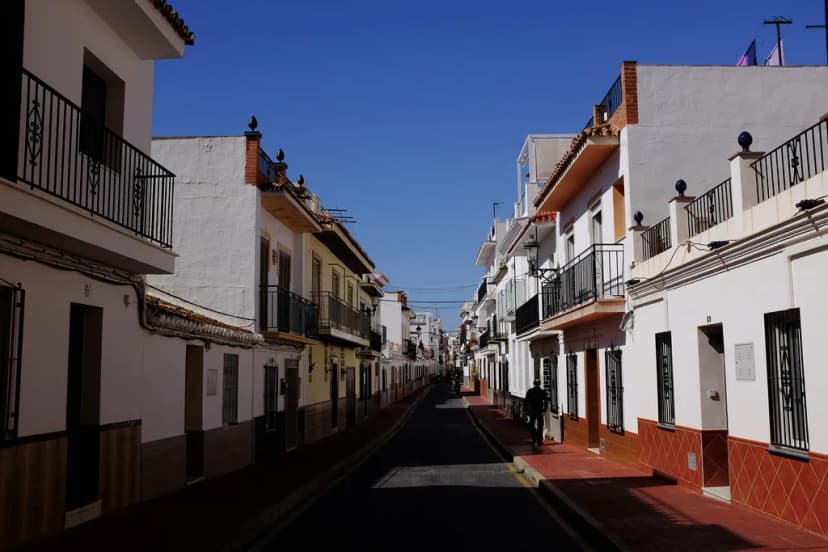
Nerja is famous for its beautiful beaches, the Balcón de Europa viewpoint, the Nerja Caves, and its whitewashed streets. It is also known for its vibrant fiestas, including the Virgen del Carmen maritime procession each July.
Where is the best place to watch the Virgen del Carmen procession in Nerja?
The Balcón de Europa offers the best overall view of the start and return of the procession as well as the fireworks. Torrecilla Beach is ideal for seeing the boarding of the Virgin onto the boat, while Calahonda Beach provides a close view of the disembarkation.
How long does the maritime procession last?
The maritime procession itself, from the boarding at Torrecilla Beach to the disembarkation at Calahonda Beach, typically lasts about one and a half hours. However, the entire evening's events, from the mass to the fireworks, run from around 18:00 to 23:00.
Does the Virgen del Carmen procession affect beach access?
Yes, during the evening of July 16, sections of Torrecilla and Calahonda beaches are cordoned off for the procession, and access to the sand may be restricted or crowded. Streets along the route are also closed to traffic. Arrive early for a good spot and expect limited beach use during those hours.