
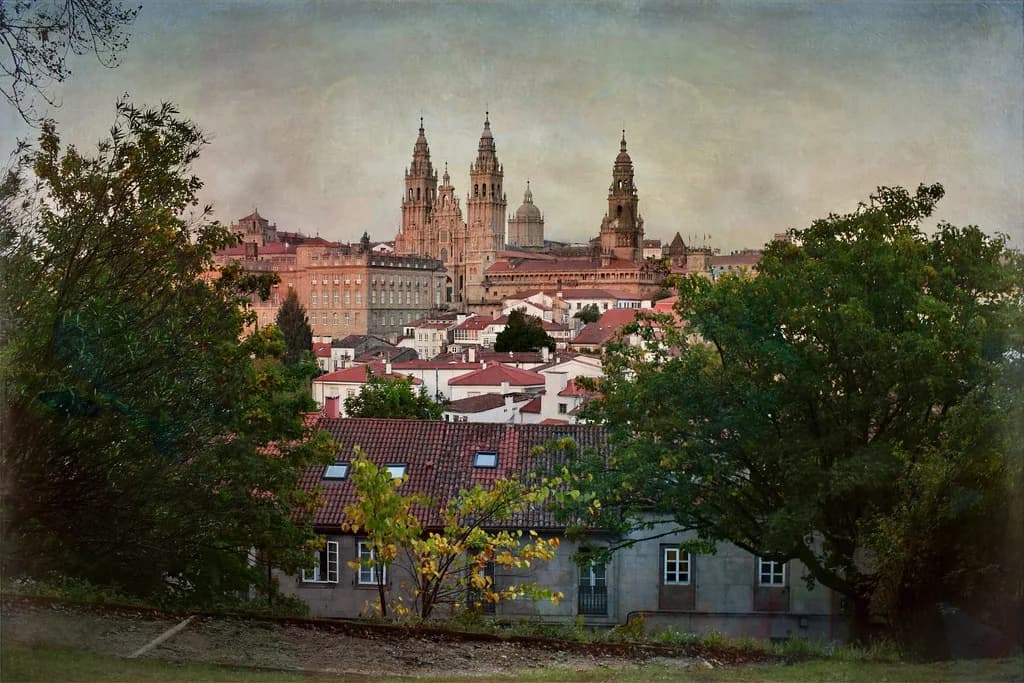
Santiago de Compostela is a city that knows how to celebrate. As the culmination of the Camino de Santiago and a UNESCO World Heritage site, it draws pilgrims and travelers year-round, but its festivals add an extra layer of cultural richness. Timing your visit to coincide with events like Holy Week or the Saint James Festival can transform a simple sightseeing trip into an immersive cultural experience.
From the solemn processions of Easter week to the lively octopus stalls of Ascension Week and the spectacular fireworks of July 24th, each season brings its own character. Whether you're a first-time visitor or a returning pilgrim, understanding the festival calendar helps you plan for crowds, accommodation, and the unique atmosphere each celebration brings.
Understanding Santiago's Festival Calendar
Santiago's festivals fall into two categories: those with fixed dates, like the Saint James Festival (July 15–31), and those tied to the liturgical calendar, such as Holy Week, which moves each year. Always double-check exact dates with official sources as your travel date approaches, since minor adjustments can occur, as noted in local guides.
February–March: Entroido and Holy Week Processions
Entroido, or Carnival, usually falls in February and is a time of parades, costumes, and traditional food. In Santiago, the most eye-catching events are the parade floats winding through the historic center, but for a more authentic experience, head to rural parishes like Conxo or Sar to see the Xenerais da Ulla, masked characters in traditional costumes that are part of an ancient tradition.
This is also the season for cocido, a hearty stew, and pig ears, which many local restaurants serve. Since Entroido is popular with locals, booking a table in advance is wise. For families, the Sunday afternoon parade, often along Rúa do Franco, is a highlight, complete with cabezudos, or big-head figures, that delight children.
Holy Week, or Semana Santa, brings dramatic processions through the old town. Key events include the Good Friday processions: the Sorrows Procession at night and the Encounter Procession, along with the Risen Christ Procession on Easter Sunday. Given Santiago's role as a pilgrimage hub, expect huge crowds, so book accommodation early and consider watching from quieter side streets rather than main squares for a better view.
May: Ascension Week – A Local Favorite
Ascension Week, or Feiras e Festas da Ascensión, is Santiago's most beloved local celebration, often overlooked by foreign visitors. The traditional plan is to head to Alameda Park for octopus á feira at food stalls, then visit Amio in the afternoon for the livestock exhibition. With concerts, verbenas (street parties), and cachelos (boiled potatoes), it's a family-friendly affair that captures the region's rural roots.
The Alameda Park itself is divided into the more touristic Ferradura and a quieter oak grove, which locals prefer for a more peaceful experience. The Octopus stalls draw big queues, so arrive early if you want to sample the specialty. Ascension marks the start of warmer weather, though Galicia's weather can be unpredictable, so pack layers.
June–July: Saint James Festival and the Apostle's Day
The Saint James Festival, from July 15–31, is the city's grandest celebration. It begins about ten days before the main day with a program of concerts, exhibitions, and street shows. The night of July 24th brings the famous fireworks, now launched from Monte do Gozo to protect the cathedral's stonework. Prime viewing spots include Belvís and Alameda Park.
On July 25th, the cathedral hosts a solemn mass and, on occasion, the swinging of the Botafumeiro, a massive incense burner. This is dependent on the liturgical calendar and not guaranteed every day, so check the cathedral's schedule if seeing it is a priority. Be prepared for intense crowds on the 25th, and keep small children out of the historic center if possible, as it can become dangerously packed.
To enjoy the festivities without the overwhelming crowds, consider visiting several days before or after the 25th. The city is illuminated, concerts continue, and you'll still soak in the festive atmosphere. For a deeper dive into the Apostle's celebrations, see our dedicated guide to Día de Santiago.
The Botafumeiro swings on specific occasions, not daily, and confirming exact dates is best done through the cathedral's official announcements. For practical details on attending mass or catching the spectacle, refer to our Botafumeiro schedule guide.
August: San Roque Neighborhood Festival
Come August (typically 14–17), the focus shifts to the San Roque neighborhood, where a more intimate festival honors the patron saint against plague. The highlight is a procession in which neighborhood children dress as 'pilgrim protectors', followed by verbenas with live music spilling into the squares until dawn. This is a beloved local event where few tourists venture, offering a taste of authentic community celebration.
September–December: Autumn and Winter Events
As the year winds down, Santiago keeps a lively pace. The WOS Festival, a music and arts event, takes place in September, though details vary year to year. November brings Santiago (é) Tapas, a restaurant competition where you can sample creative tapas across the city, as well as the Cineuropa film festival, which screens international cinema throughout the month.
Month-by-Month Calendar Summary
Here's a quick overview of Santiago's principal festivals: February–March brings Entroido and Holy Week processions; May has Ascension Week with octopus stalls in Alameda Park and a livestock show at Amio; July sees the grand Saint James Festival with fireworks and cathedral ceremonies; August offers the local San Roque fiesta; September hosts the WOS Festival; and November features Santiago (é) Tapas and Cineuropa. Exact dates for each year should always be verified on official tourism portals.
Practical Planning Tips for Festival-Goers
Booking accommodation well in advance is crucial for major festivals like Holy Week and Saint James, as hotels fill up quickly. Consider staying in neighborhoods like San Pedro or Belvís for easier access and a more local feel. During the peak days, the old town can be overwhelming; plan your routes to avoid the most crowded congestion points.
For food, make reservations early, especially during Entroido and Holy Week. Venture away from tourist hotspots for more relaxed dining. During Ascension, arrive early at the Alameda to beat the queues for octopus. Always carry a light jacket, as Galician evenings can be cool even in summer.
How to Check Official Dates and Stay Updated
Before finalizing your plans, consult the official tourism website for Santiago de Compostela, which publishes festival programs and any changes. The spain.info calendar is another authoritative source for national events. For the most current information, follow the city council's social media channels.
Plan Your Visit
Whatever time of year you choose, Santiago offers a festival to match your interests—from the spiritual solemnity of Holy Week to the local charm of Ascension and the grand spectacle of Saint James Day. Aligning your trip with these events enriches your experience, but always verify dates and check for any last-minute changes.
For a broader perspective on Spain's festive calendar, see our guide to festivals across the country.
Related festival guides
Frequently Asked Questions
What is the best time to visit Santiago de Compostela for festivals?
The best time depends on your preference. For the grandest celebrations, visit during the Saint James Festival in late July, which features fireworks and solemn masses. If you prefer a more local atmosphere with fewer tourists, Ascension Week in May offers traditional food stalls and a livestock show. Holy Week in spring is also moving but crowded.
What happens during the Saint James Festival?
The festival runs from July 15 to 31, with the main day on July 25. Highlights include fireworks on July 24, launched from Monte do Gozo, and a solemn mass in the cathedral, possibly featuring the Botafumeiro. The city hosts concerts, street performances, and a medieval market, drawing massive crowds.
Is Ascension Week a good time to visit?
Yes, Ascension Week in May is ideal for experiencing an authentic local festival. The Alameda Park hosts octopus stalls, while Amio has a livestock show. It's less crowded than Saint James, offering a family-friendly atmosphere with traditional music and food.
How crowded is Santiago during its festivals?
Crowds vary. Holy Week and the Saint James Festival (especially July 25) can be intensely crowded, with historic areas packed. Ascension Week and San Roque are more relaxed. For major events, book accommodation early and expect queues for food and attractions.


