
Every June, the Menorcan town of Ciutadella celebrates its patron saint, Sant Joan, with a horse festival that has run for centuries. The most intense moments come during the jaleo, when black Menorcan horses rear and perform dressage moves amid a dense crowd, guided by riders known as caixers and cavallers. This spectacle is not a single scheduled show but unfolds across various squares and streets throughout the two main festival days.
The festival's main days are 23 and 24 June, with the first caragol on the evening of 23 June when riders parade around the Plaça del Born. If you are planning to attend, the key is to understand the rhythm of the festival rather than expecting a fixed timetable, because the precise schedule is published by the town hall each season. For a broader introduction to the event, see our Sant Joan Ciutadella horse festival guide.
What Is the Jaleo?
The jaleo is a horse display that has become the central act of Menorca's patron saint festivities. It begins when the music band plays the jaleo tune, and the horses in the square approach the band to perform Menorcan dressage moves such as bots, capadetes, and cabrioles. The origin dates to 1888 in Ciutadella, when a popular band played a piece called El postillón de la Rioja during the caragol des Born, and the horses, startled by the music, began to rear and leap.
What started as an accident became a beloved tradition. In most Menorcan towns, the jaleo takes place at noon on the festival day, but in Ciutadella the format differs because of the enormous crowds and local tradition. Instead of a single event, the horses perform throughout the various squares and streets where the caragols take place, making it a more spontaneous and immersive experience.
The jaleo is free to watch, and no registration is needed. However, because it is a living cultural ritual rather than a staged performance, visitors should come with respect. The festival is rooted in medieval traditions where riders represent different social groups, from the church to the farmers, and the horses are trained for years in Menorcan dressage before they participate.
When Do the Jaleo Displays Happen?
Sant Joan is celebrated around 23–24 June each year, with the eve of 23 June and the saint's day on 24 June as the main days. The first caragol takes place on 23 June, when riders parade on horseback around the Plaça del Born, followed by the procession of caixers to the hermitage. The jaleo typically occurs during the caragols, but the exact timing varies from year to year and is not fixed in any public source.
To know precisely when the jaleo will unfold on each day, you must consult the official programme published by Ciutadella's town hall before the festival. The programme lists the times of all events, including the caragols and the jaleo music. Do not rely on third-party descriptions, as the schedule can shift slightly from year to year.
Also note that the festival extends beyond 23–24 June. The Dia des Be, which announces the start of the festivities, occurs on the Sunday before, and in 2026 that falls on 21 June. The programme typically includes several days of events, so check the official calendar for the full scope of the celebration.
Where to See the Horses
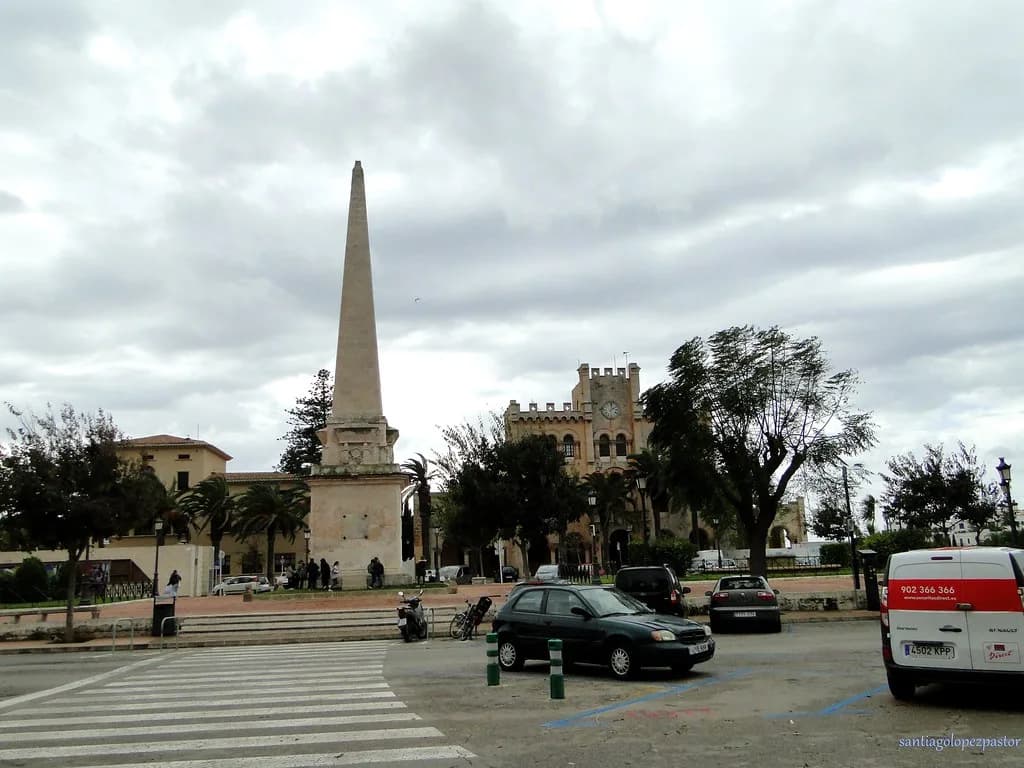
The horses appear in the old centre of Ciutadella, with the Plaça del Born being the most iconic location. The caragol des Born, where riders wheel and turn in the square, is one of the most photographed moments of the festival. However, the jaleo is not confined to that square: it also occurs in other squares and streets where the caragols make their way through the city.
Because the route and locations can change, the best approach is to find a spot outside the risk zone with a good perspective. You want to be away from the sand and the horses' direct paths but close enough to see the action. Locating near the edge of the crowd, perhaps beside a building or barrier, often provides a safer vantage point than being in the thick of it.
Avoid trying to secure a specific building or balcony view, as these are not publicly designated. Instead, arrive early to claim a spot along the procession route or in one of the squares. The town centre is closed to traffic during the festival, so you will be on foot, and the atmosphere is part of the experience.
Understanding the Caragol des Born
The caragol des Born is a key ritual in the Sant Joan festival. It involves riders parading on horseback around the Plaça del Born, often three times, and it is during this caragol that the jaleo music is played, prompting the horses to perform their dressage moves. The first caragol takes place on the evening of 23 June, as mentioned earlier.
The caragol is not just a display; it re-enacts the historical procession of the guilds and social classes that made up old Ciutadella. Each rider, known as a caixer, represents a group such as the church, nobility, farmers, or craftsmen. This deep history gives the festival its solemnity, and understanding it enhances the experience.
For more on the roles of the caixers and the traditions, you can read our explanation of Sant Joan Ciutadella traditions caixers explained.
How to Watch Safely
Watching the jaleo is intense: the crowd presses in, the horses rear just metres away, and the music swells. To stay safe, always respect the horses and riders—never corner an animal or try to touch it carelessly. Some traditions encourage reaching out to touch the horse's heart for good luck, but do so only if you are in a safe position and the rider permits it.
Wear closed shoes and comfortable clothes, as you will be on your feet for hours and the streets may be uneven. Stay hydrated and go easy on the pomada, the island's gin and lemonade mix, because the June sun is strong and the day is long. Also, be prepared for jostling; keep your wits about you and avoid pushing to the front.
Children can attend, but you must keep a firm hold on them and stay near the edges of the crowd. If you feel overwhelmed, step back to a quieter street. For more general advice on attending festivals in Spain, see our guide to festivals in Spain.
Practical Tips for Visitors
Arrive early and on foot—the centre becomes packed and parking is nearly impossible. Park on the outskirts or use public transport, and be ready to walk. The festival is free, so you do not need tickets, but you do need patience and a good spot.
Check the official programme from Ciutadella's town hall each year for exact dates and times. The programme is usually published a few weeks before the festival, so keep an eye on official tourism channels. Do not rely solely on third-party descriptions, as the timetable can change.
Wear sunscreen, a hat, and light clothing, but bring a layer for the evening, as temperatures drop. Have a meeting point with your group in case you get separated. Finally, remember that this is a centuries-old tradition, not a tourist show—approach it with respect, and you will leave with an unforgettable memory.
Plan Your Visit
Seeing the jaleo horses in Ciutadella during Sant Joan is a highlight of any trip to Menorca, but it requires preparation. The festival happens around 23–24 June, with events across the old town, and the exact schedule is set each year by the town hall. Make sure to check the official programme before you go.
Once you are there, find a safe spot, keep your camera ready, and soak in the atmosphere. Respect the horses and riders, stay hydrated, and enjoy the island's unique celebration. For more on where to stay and how to get around, see our Sant Joan Ciutadella accommodation and travel tips.
Frequently Asked Questions
What are the horse festivals in Menorca?
Menorca has horse festivals in several towns, each honouring its patron saint. The most famous is Sant Joan in Ciutadella, but others include Sant Martí in Es Mercadal, Sant Antoni in Fornells, and Sant Jaume in Es Castell. All feature the jaleo, where Menorcan horses perform dressage moves.
What is the festival of Saint Joan in Menorca?
It is a centuries-old celebration in Ciutadella that re-enacts the town's medieval social structure through a mounted procession called the qualcada. The festival peaks on 23–24 June with the caragol des Born and the jaleo, when horses rear among the crowd.
When is the jaleo in Ciutadella?
The jaleo occurs during the Sant Joan festival, mainly on 23 and 24 June. The exact timing varies each year and is not publicly fixed; you must consult the official programme published by Ciutadella's town hall for the precise schedule.
Where can I watch the jaleo horses?
The horses appear in the Plaça del Born and other squares and streets in Ciutadella's old town. For the best view, arrive early and find a spot outside the risk zone but with a clear line of sight. Do not try to get too close.


