Every year on the night of June 23, Fuerteventura joins the rest of Spain in celebrating San Juan, a festival that marks the summer solstice with bonfires, music, and midnight swims. The island's beaches and coastal towns become gathering points for locals and visitors alike, who come together to welcome the longest days of the year with fire and water rituals. Before you head out, it helps to understand what to expect and how to celebrate responsibly, especially given the island's specific rules about bonfires.
San Juan is one of the most anticipated nights of the Canarian summer, rooted in ancient pagan traditions that predate Christianity. While the exact ways of celebrating can vary from island to island, the core elements remain the same: fire for purification, water for renewal, and community for joy. For travelers planning a trip to Fuerteventura in late June, it is a unique opportunity to experience a deeply local tradition.
This guide focuses on the island of Fuerteventura, providing practical information on San Juan traditions, safety regulations, and tips for attending. Note that while Corralejo and its beaches are popular spots during the summer, there is no confirmed official celebration specifically on Corralejo beach. Instead, bonfires and festivities are organized across the island, often in smaller towns and at designated spots.
What Is San Juan and Why Is It Celebrated?
San Juan, also known as the Night of Fire, is celebrated on the eve of June 24, which is the feast day of Saint John the Baptist. However, the origins of the festival go back much further than the Christian saint, rooted in ancient summer solstice celebrations held across Europe. Fire was seen as a purifying and protective force, and jumping over bonfires was believed to bring good luck and ward off evil spirits.
In the Canary Islands, San Juan has a special flavor, blending Spanish traditions with local customs. As one source explains, the night from June 23 to 24 is considered magical, where wishes are made and the future can be glimpsed. Historically, the Canarian aborigines also celebrated the summer solstice, building bonfires and performing rituals to invoke their ancestors, who were said to appear as small clouds or 'bayuyos'.
For many, San Juan marks the true beginning of summer, a time for renewal and letting go of the past. It is a celebration that brings communities together, often with food, drink, and music. Despite its pagan roots, the festival has been embraced by the Catholic Church, and today it is a public holiday in many parts of Spain, including the Canary Islands.
San Juan Traditions in the Canary Islands: Fire, Water, and Rituals
Across the Canary Islands, San Juan is celebrated with bonfires on beaches and in neighborhoods, where people gather to jump over flames, make wishes, and enjoy the festive atmosphere. Fire is the main protagonist, but water also plays a key role. At midnight, many people run into the sea, washing themselves to purify the spirit and attract good fortune for the coming year.
In Fuerteventura, ancient traditions include the 'ajijides', collective cries of joy accompanied by the sound of hitting pebbles and limpet shells, an ancient form of music. These customs have been kept alive over the centuries, and today they mix with modern beach parties. The connection to water is strong: it was believed that bathing before San Juan could bring bad luck, and goatherds would take their flocks to the sea on the morning of San Juan for protection.
Water rituals also include washing your face before dawn to enhance beauty, or using water and names written on paper to predict a future partner. While these may be seen as old superstitions, they are still practiced by some looking for a bit of magic on this special night. The festival is a fascinating blend of the sacred and the profane, the ancient and the modern.
How Fuerteventura Celebrates San Juan: Bonfires and Local Customs
On Fuerteventura, the San Juan bonfires are organized in many towns, often as part of the local patron saint festivities. According to Fuerteventura Activa, you can find celebrations in El Matorral and Pozos (Puerto del Rosario), Cofete and Ajuy (Pájara), Vallebrón (La Oliva), and Pozo Negro (Antigua). These are the places where you are more likely to find official bonfires and community events.
Note that Puerto del Rosario, the capital, has specific regulations for bonfires, and it prohibits them on beaches and in protected natural areas. While you might find bonfires on Corralejo beach, it is not an officially sanctioned event, and authorities may enforce the rules differently. It is always safer to attend organized events in smaller towns rather than starting your own bonfire on the beach without permission.
A typical San Juan evening in Fuerteventura involves families and friends gathering around a bonfire, sharing food and drinks, playing music, and jumping over the flames at midnight. Many also take a dip in the ocean, a refreshing way to welcome the summer. The atmosphere is festive and relaxed, with a mix of locals and tourists enjoying the warm night.
Safety Rules for Bonfires: What You Need to Know
If you are planning to light your own bonfire, it is crucial to know the local rules. In Puerto del Rosario, for instance, you must apply to the town hall (Registro de Entrada) before June 18, stating the location and responsible person. Bonfires are strictly prohibited on beaches, bathing areas, and protected natural spaces, and they must not exceed 4 meters in height, maintain a 6-meter safety perimeter, and stay at least 80 meters away from buildings and power lines.
Also, be mindful of the materials you burn: plastics, tires, household appliances, aerosols, and other polluting waste are forbidden. Always extinguish the fire completely before leaving, and keep a bucket of water or sand nearby for emergencies. In case of an incident, contact the local police at 928 850 635 or the fire brigade at 928 530 744, or call 112.
Other municipalities on the island may have similar or different regulations, so always check with the local council or tourism office before starting a fire. It is better to attend an organized event where rules are already in place, ensuring a safe celebration for everyone.
Tips for Attending San Juan Celebrations on the Island
To make the most of your San Juan experience, plan to arrive early to find a good spot, especially if you are going to a popular beach or town. Bring a swimsuit and a towel for a midnight dip, but also a warm layer, as coastal breezes can make the night feel cooler than expected. You may also want to bring your own food and drinks if you are not near a bar.
Respect local guidelines and be mindful of waste. Bring bags to collect your rubbish and recycle properly, as litter on the beaches can harm marine life. Also, if you are staying in Corralejo, check with your hotel or local tourist information for any organized transport to nearby festivities, as parking near event sites can be limited.
Finally, be aware that San Juan is a popular night, and public transport may run on reduced schedules. Consider walking or using a taxi if you plan to drink alcohol. As with any large gathering, keep an eye on your belongings and stay with your group if you are with friends.
Plan Your Visit
San Juan in Fuerteventura is a unique opportunity to experience a centuries-old tradition in a beautiful setting. To ensure a respectful and enjoyable celebration, always check with the local council or tourism office for the latest bonfire regulations and organized events in the area you are visiting. It is also wise to arrive early, follow safety guidelines, and come prepared with essentials like water and sunscreen.
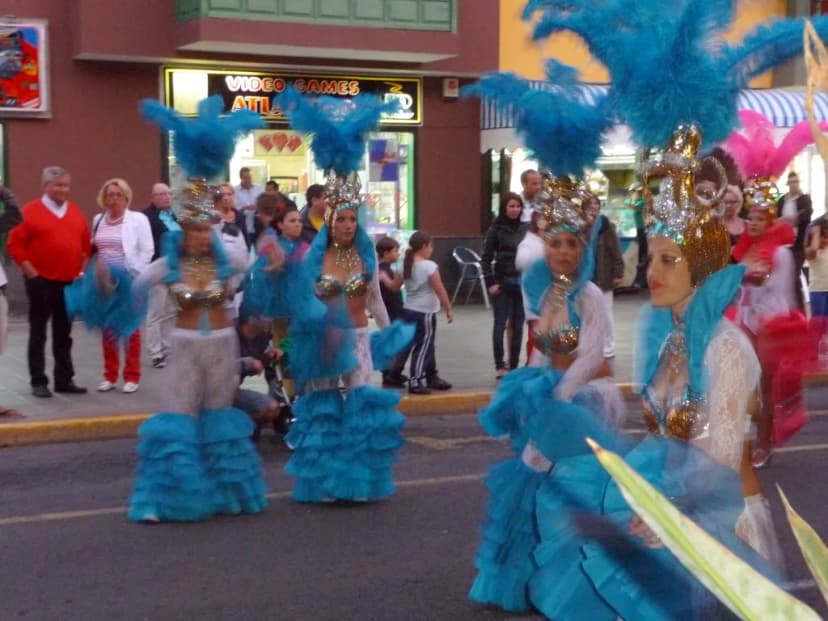
For more ideas on exploring Spain's festive side, you might also be interested in other celebrations such as the Carnivals or music festivals that happen in Corralejo. These events offer a different flavor of local culture and are great additions to any trip to Fuerteventura.
Frequently Asked Questions
Is there a specific San Juan celebration on Corralejo beach?
As of now, there is no confirmed official event specifically on Corralejo beach. Bonfires and celebrations typically take place in various towns across the island, such as El Matorral, Cofete, and Ajuy. It is always best to check with the local tourism office for up-to-date information on where festivities are happening.
What are the main rules for lighting bonfires in Puerto del Rosario?
In Puerto del Rosario, bonfires are prohibited on beaches and in protected natural areas. They must not exceed 4 meters in height, keep a 6-meter safety perimeter, and be at least 80 meters away from buildings and power lines. You must apply to the town hall before June 18 to organize a bonfire.
Can visitors participate in the San Juan rituals?
Yes, visitors are generally welcome to join in the bonfire gatherings and midnight swims. However, it is important to be respectful of local customs and follow any instructions from authorities. Always ensure your safety and the safety of others around the fire.
What should I bring to a San Juan celebration in Fuerteventura?
You should bring a swimsuit, a towel, and warm clothing for later in the night. It is also useful to have your own food and drinks if you are not near a vendor. Do not forget bags for your rubbish, as keeping the beaches clean is essential.
Are bonfires allowed on all beaches in Fuerteventura?
Bonfires are generally prohibited on beaches and protected natural areas, especially in Puerto del Rosario. Regulations may vary by municipality, so it is crucial to check local rules before lighting any fire. Some town halls require a permit beforehand.