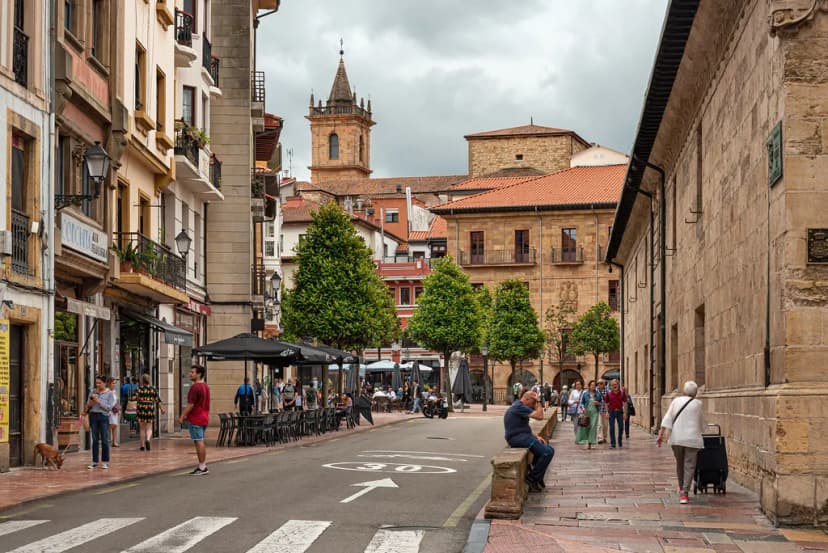
San Mateo is Oviedo's main festivity, held each September in the capital of Asturias. For over ten days, the city's squares, parks, and theatres host concerts, parades, and cultural events that draw large crowds and bring the summer season to a close.
While the full program for the upcoming edition may not be published until close to the festival, the structure remains consistent year to year: music at multiple venues, the Day of America parade, a fireworks night, and the traditional Bollo Day picnic. Check the official program on the Oviedo City Council website or the tourist office for confirmed dates and lineups.
To help you plan, this guide breaks down the key elements of San Mateo, from the main day on September 21 to practical tips on navigating the busiest days. This article is part of the broader festivals in Oviedo Spain year-round calendar, which also covers other local events like Semana Santa.
Key Dates and the Main Day: September 21
The San Mateo festivities historically run from around September 10 to September 21, with the most important day on September 21, the feast of San Mateo. On this day, the Sudarium of Oviedo, a sacred cloth believed to have been wrapped around Christ's face, is displayed during a High Mass in the cathedral. It is rarely on public display, making it a significant moment for pilgrims and visitors.
September 21 is also Bollo Day, a local public holiday in Oviedo. Locals and visitors gather in parks like Campo San Francisco to enjoy a traditional picnic centered on bollo preñao, a bread stuffed with chorizo. This tradition is a must for anyone wanting to experience local culture authentically.
While the 2026 edition (September 10–21) has passed as of this writing, the pattern remains for future editions. Always verify exact dates for the coming year on the official tourism site, as the schedule is subject to change.
Music and Concerts: Free vs. Paid Venues
Music is a cornerstone of San Mateo, with over a hundred concerts taking place across the city during the festival. Free concerts are staged in central locations such as Calle Uría, Plaza de Feijoo, Plaza del Paraguas, and Paseo del Bombé, offering a diverse range of genres from folk and pop to rock and indie.
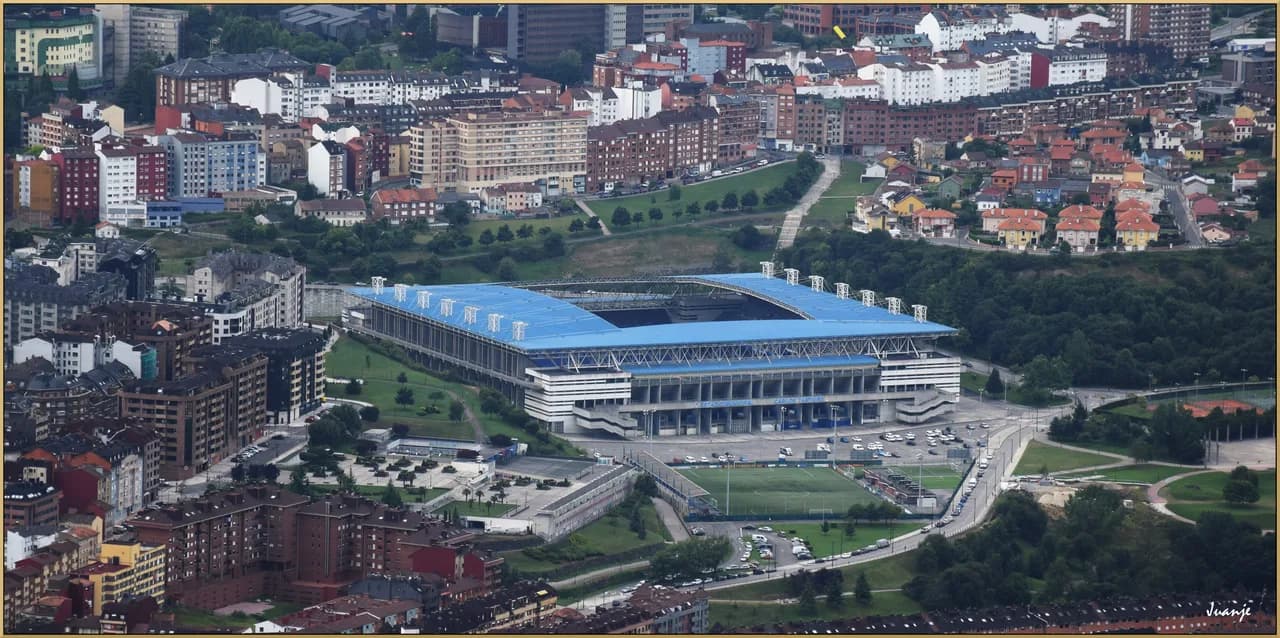
In contrast, the La Ería venue, located next to the Carlos Tartiere stadium, hosts large-scale paid concerts. Past editions have featured well-known national and international acts. If you plan to attend a paid concert, check the official program for ticket details, as these events require admission and may have specific access conditions.
The Oviedo Rock Competition, now named after Alejandro Blanco Espina, is a platform for emerging Asturian bands and has been running for decades. It typically takes place at Plaza de Feijoo, showcasing local talent alongside guest artists.
Flagship Events: Day of America, Fireworks, and Bollo Day
The Day of America parade is a highlight of San Mateo, held every September 19. It originated in 1950 as a tribute to Asturians who emigrated to the Americas and later returned. The parade features floats, folk groups, and bands from various countries, turning the city center into a colorful celebration of cultural exchange.
Fireworks Night, on September 20, illuminates the sky above Montecerrao, in the Tuero Bertrand park, starting at 22:00. It is a dazzling prelude to the main day. Spectators should respect restricted areas and follow safety instructions from authorities.
Bollo Day on September 21 is the culmination of the festival. Families and friends gather in parks to enjoy bollo preñao and cider, a tradition that underscores the communal spirit of San Mateo. If you're visiting on this day, consider joining the locals in Campo San Francisco for a picnic, but be prepared for large crowds.
Other Activities: Theatre, Children's Events, and Markets
Beyond concerts, San Mateo includes a rich program of theatre performances at venues like the Teatro Filarmónica, as well as children's activities and markets. The city's main park, Campo San Francisco, becomes a hub for family-friendly fun, including magic shows, puppet theater, and even a kiddies' train.
Throughout the festival, streets and squares like the Cathedral and Town Hall squares host dance parties, stalls, and food options. For families, the abundance of free events makes it accessible, but it's wise to check the official program for specific timings.
The San Mateo Indian Menu, often organized during the festival, showcases Asturian cuisine in participating restaurants, with dishes like fabes with pantruque. If you're a food lover, this is a great way to experience local gastronomy.
Practical Tips for Visiting
The busiest days are typically September 19, 20, and 21. On these days, public transport is strongly recommended, as the city center becomes crowded and parking is difficult. Allow extra time to move around and consider using buses or trains.
If you plan to dine in the city center during the festival weekends, booking a table in advance is advisable. Restaurants fill up quickly, especially near popular event venues.
For paid concerts at La Ería, always check the timetable, door-opening times, and access conditions in advance. Also, bring comfortable shoes for walking and layers for cool September evenings.
For Fireworks Night, arriving early to secure a good viewing spot and following safety instructions is essential. Remember that some areas may be restricted for safety.
Festival History and Traditions
San Mateo dates back to the 15th century when Pope Eugene IV declared a Jubilee for the Holy Cross, attracting pilgrims to Oviedo's cathedral. The September 21 feast of San Mateo became the climax, and while the religious significance has faded, many traditions remain.
One notable tradition is the paxarines, bread figurines colored with saffron and brushed with egg, sold in the cathedral atrium on the main day. These figures, shaped like baskets, animals, or people, are believed to bring good luck and have been part of the festival for over 300 years.
The festival has evolved into a celebration of Oviedo's identity, blending religious history with modern entertainment. Attending San Mateo offers a chance to experience this unique mix of tradition and festivity. For more context, see the broader festivals in Spain guide.
Plan Your Visit
San Mateo is a vibrant and multifaceted festival that showcases Oviedo's culture, music, and culinary heritage. By planning ahead—booking restaurants, using public transport on peak days, and checking the official program for confirmed events—you can make the most of your visit.
Whether you're drawn by the parade, fireworks, or the chance to taste bollo preñao, San Mateo offers an unforgettable end to the summer in Asturias. For a deeper dive into similar traditions, you might also explore the chestnut festival, Magosto, which takes place later in autumn. Always verify the latest details with local sources, as programs can evolve from year to year.
Frequently Asked Questions
When is the San Mateo festival in Oviedo?
San Mateo is held each September, typically from around September 10 to September 21. The main day is September 21, which is also a local public holiday in Oviedo. Dates can vary slightly, so check the official program for the exact schedule.
What are the main events during San Mateo?
The festival includes a wide range of concerts, the Day of America parade on September 19, Fireworks Night on September 20, and Bollo Day on September 21. There are also theatre performances, children's activities, and markets throughout the city.
Are the concerts free?
Many concerts are free and take place in public squares and streets, but some larger concerts at venues like La Ería require paid admission. Check the official program for details on which events are ticketed.
What is the Day of America parade?
The Day of America parade is a traditional event held on September 19 that honors the emigration and immigration history of Asturias. It features floats, folk groups, and bands from various countries, making it a colorful celebration.
What is Bollo Day?
Bollo Day, celebrated on September 21, is the main day of the festival. Families and friends gather in parks to enjoy a picnic with bollo preñao, a bread stuffed with chorizo, and cider.
What are paxarines?
Paxarines are traditional bread figurines sold in the cathedral atrium on September 21. They are colored with saffron and brushed with egg, and are believed to bring good luck and protect against storms.
How to get around during the festival?
On the busiest days (September 19-21), public transport is recommended as the city center gets crowded and parking is scarce. Allow extra time to travel and consider walking between venues.
Should I book restaurants in advance?
Yes, it is highly advisable to book restaurants in advance, especially on festival weekends, as they fill up quickly. This is a common recommendation from local guides.