
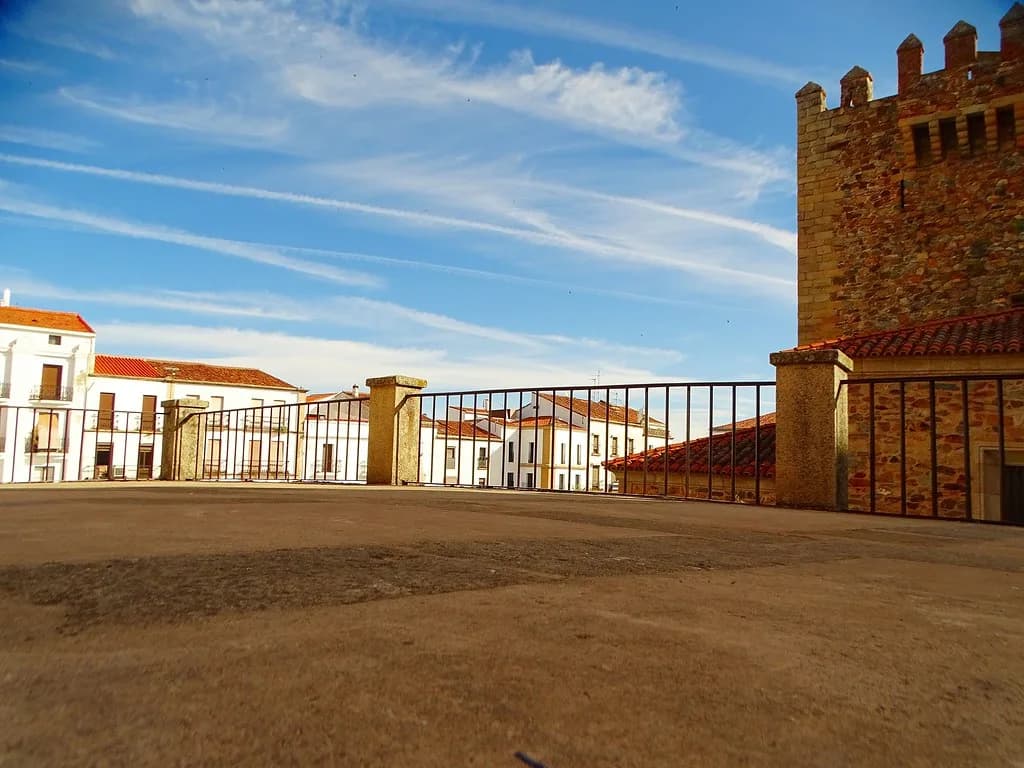
The Cáceres Medieval Market of the Three Cultures transforms the monumental old town into a living medieval scene each autumn. Expect artisan stalls, street performances, and a celebration of the Christian, Jewish, and Muslim communities that once shaped the city. Since exact dates vary by year, always confirm the latest schedule on the official tourism website before making travel plans.
What Is the Cáceres Medieval Market?
The Mercado Medieval de las Tres Culturas is a large seasonal fair held in the historic center of Cáceres, a UNESCO World Heritage site. It recreates the medieval atmosphere with costumed characters, craft and food stalls, and a packed program of music, falconry shows, and workshops. The event’s name highlights the three cultures—Christian, Jewish, and Muslim—that coexisted in the city during the Middle Ages, and visitors will notice themed quarters representing each.
Set against centuries-old stone walls and palaces, the market is less a simple street fair and more a participatory time-travel experience. Drummers and lutenists, jesters, and even watchmen roam the crowds, while towers fly banners and insignia. For a fuller picture of this event and other historical reenactments in the region, see our guide to the Ciudad Medieval de Cáceres festival reenactment.
Dates and Schedule
The market typically takes place in autumn, most often in November, but the exact days are announced only shortly before each edition. For example, the 2024 edition ran from November 14 to 17, featuring more than 80 activities over four days. However, dates can shift, so do not assume a future schedule based on past years; the city council publishes the current year’s dates on its official channels, usually about a month in advance.
When planning your visit, allow at least a full day to experience the market without rushing. The fair often opens in the late afternoon on the first day and continues through the weekend, with many activities repeating daily. For the most reliable schedule, check the official tourism portal of Cáceres and the city council’s news section before you go; they are the best sources for confirmed dates and last-minute changes.
Location: The Old Town of Cáceres
The market unfolds in the monumental quarter of Cáceres, centered on Plaza Mayor and extending through the Arco de la Estrella into the labyrinthine streets of the old town. You’ll also find stalls and stages in the Foro de los Balbos, the Jewish quarter, and near the Concathedral of Santa María. Because the area is largely pedestrian, you will do a lot of walking on uneven stone, so wear comfortable shoes.
Each zone has its own character: the Christian quarter near Santa María is often the hub for festive banners and parades, while the Moorish quarter offers henna tattooing and belly dancing, and the Jewish quarter hosts exhibits of antique weapons and falconry. The mix of settings means you can wander between eras in a few steps, making the market a genuinely immersive experience.
Program and Activities
The market’s program is designed to appeal to all ages. Typical offerings include theatrical and musical street parades, puppetry and storytelling, medieval combat reenactments, falconry displays, and workshops where children and adults can try crafts like pottery or woodworking. The official tourism site describes a wide range of activities, from weapon exhibits to tastings and painting classes, all themed around the three cultures.
Details of the program change each year. For instance, the 2024 edition introduced talks on medieval medicine and a show about dragons at the Arco de la Estrella, along with performances by specific music groups. None of these can be promised for future editions. For your visit, the best approach is to pick up the printed program or consult the official sources on arrival, as the exact schedule is always subject to change.
Artisan Stalls and Gastronomy
Artisan stalls are a constant feature, though the number fluctuates with each edition; in 2024, over 270 vendors took part. You can watch craftspeople at work and buy locally made goods such as wooden figurines, leather bags, jewelry, and natural perfumes, many concentrated around the Foro de los Balbos. For food, expect medieval-style sandwiches, roasted meats, traditional sweets, and craft beers, along with taverns serving hearty fare.
Given that stall counts and products vary, do not set your heart on a specific artisan or dish without checking current announcements. That said, the blend of gastronomy and craftsmanship is a core part of the experience, and even if the lineup changes, the market’s lively atmosphere remains. For a sense of what the market looks and feels like, the hotel guide Barceló offers a general description of the stalls and entertainment.
Practical Travel Information
Cáceres is well connected by road and rail; the nearest airport is in Badajoz, about 100 kilometers away, though many visitors fly into Madrid or Seville and drive. Once in the city, the old town is most easily reached on foot, and public parking is available at the edge of the historic center. In recent years, the market has been free to enter, but verify this with official sources, as policies could change.
Accommodation in the old town puts you right in the middle of the action but books quickly for market weekends. Many travelers choose to stay just outside the walls and walk in. The festival is one of several major events in the city; you can compare it with other cultural moments by reading our guide to the Caceres Holy Week travel guide and the WOMAD Caceres music festival guide for alternative visit times.
Tips for Families
The market is family-friendly, with a dedicated children’s area near Plaza Mayor that often includes a merry-go-round, puppet theater, and a giant chessboard. Kids can also enjoy donkey rides and traditional games, and many workshops are designed for small hands. Because crowds can be dense, set a meeting point and keep young children close, especially near the busiest stages.
To avoid the worst of the crowds, arrive early in the day or late in the evening, when the temperature is milder and the lanterns add a magical glow. Comfortable shoes are a must for the cobbled streets. Finally, expect some flexibility in the program: performances can be rescheduled or moved due to weather, so check the day’s schedule on-site.
Plan Your Visit
The Cáceres Medieval Market of the Three Cultures is a standout autumn event, set in one of Spain’s most beautiful historic towns. Whether you are drawn to the artisanal crafts, the medieval performances, or the unique cultural theme, planning ahead makes the experience smoother. Because the dates and program are not fixed far in advance, always verify the current edition’s schedule on the official tourism portal and the city council’s website before booking.
For a deeper dive into all things medieval in Cáceres, including other historical reenactments and festivals, explore our pillar guide to the city’s medieval-themed events. And if you are planning a broader Spain itinerary, our overview of festivals in Spain will help you time your trip around the best cultural celebrations.
Frequently Asked Questions
When is the medieval market in Cáceres?
The market usually takes place in autumn, often in November, but exact dates are announced each year by the city council. For example, the 2024 edition was held from November 14–17. Always check the official tourism site or city council announcements for the current year’s dates.
What activities are available at the Cáceres medieval market?
Typical activities include theatrical and musical parades, falconry displays, puppet shows, medieval combat reenactments, workshops, and children’s entertainment. The program changes yearly, so consult the official schedule during your visit for the most up-to-date list of events.
Where in Cáceres does the medieval market take place?
The market is held in the monumental old town of Cáceres, centered on Plaza Mayor and spreading through the Arco de la Estrella, the Jewish quarter, the Foro de los Balbos, and nearby streets. The entire area is pedestrian-friendly.
Is the Cáceres medieval market suitable for children?
Yes, the market is family-friendly. There is often a dedicated children’s area with rides, puppet theaters, and workshops, plus donkey rides and traditional games. It is advisable to keep an eye on young ones in the crowds.
What does 'Three Cultures' refer to in Cáceres' medieval market?
It refers to the three religious and cultural communities that coexisted in medieval Cáceres: Christians, Jews, and Muslims. The market is divided into themed quarters celebrating each culture, with music, crafts, and gastronomy inspired by their traditions.


