
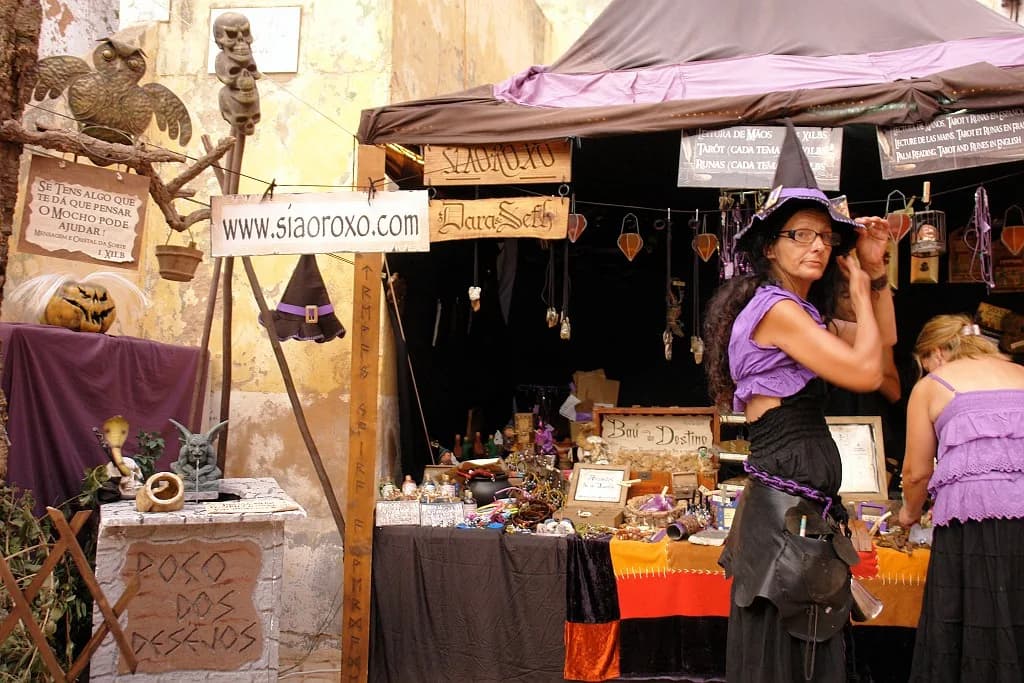
A visit to the Silves Medieval Fair is a step back in time, where the historic streets fill with entertainers, craftspeople, and the inviting aromas of food cooking over open flames. For many, exploring the medieval market and sampling the period-inspired fare is as much a highlight as the jousting and street theatre. A key part of the experience involves understanding how the fair operates, from its earthenware cups to its local currency.
How Food and Drink Are Served at the Fair
Themed food and drink stalls line the historic centre, and visitors settle on hay bales or at rustic tables to enjoy their purchases. Reviewers describe the scene as lively, with the scent of roasting meat drifting through the streets and a genuine medieval atmosphere. You can expect a variety of options, from hearty mains to snackable treats, much of it prepared on site.
The Xilb Currency and What It Means for Buying Food
The fair operates with its own local currency, the Xilb, and you'll need to exchange euros for Xilb at dedicated booths inside the event. This system adds to the immersive experience but also means you should plan for an extra step before you can buy your first bite. Some visitors recommend exchanging a set amount at the start rather than making multiple trips.
Must-Try Food: Roasted Meats and Medieval-Style Dishes
Roasted meats are the heart of the fair's food offering, and you'll find stalls grilling sausages, hog roasts, and sides of beef over open fires. One visitor remembered the 'barbecues of hog roasts and sides of beef' as a central part of the street scene. Alongside the meat, there are medieval-style dishes influenced by the region's Arab heritage, which can include spiced stews and pastries.
The fair also has a medieval market with stalls selling local specialties and produce, from nuts and dried fruit to regional sweets. These can be a good lighter option if you're not up for a full roast, and they make for portable snacks as you watch the performances. The variety of food stalls is generally appreciated, though some visitors note the quality can vary between vendors.
Vegetarian-Friendly Options and Guidance
Vegetarians may find the fair's menu challenging, as meat features heavily. However, the market stalls typically sell fresh produce, local cheeses, bread, and honey, which can suffice for a snack or light meal rather than a full dinner. For a heartier meat-free meal, you might want to eat before you arrive or look for stalls offering vegetable stews or soups, though these aren't guaranteed every year.
Drinks: Mead, Wine, and the Earthenware Goblet Tradition
Mead is the traditional drink of the fair, and sipping it from a reusable earthenware goblet is a rite of passage. According to reviews, you pay a deposit for the goblet, and then any drink you buy is served in it; you can keep the cup as a souvenir. In addition to mead, you'll find local wine and other beverages, all served in the same style to keep the period feel.
The earthenware goblet is available for a small fee (around one euro in the early 2000s editions), and it's the only way to get drinks at the fair. This creates a uniform look and cuts down on waste, but it also means you'll be carrying the cup around all evening. If you plan to drink, budget for the deposit as part of your expenses, and consider it a keepsake.
Tips for Beating Queues, Prices, and Budget Planning
The fair can get extremely busy, especially in the evenings, so arriving early is the best way to avoid long lines for both food and drink stalls. One reviewer advised arriving early to avoid parking queues, and you'll face similar crowding at the busiest food vendors. If you have your heart set on a particular dish, consider going to the stall right as the fair opens.
Prices at the fair are not officialised in current sources, but visitor accounts consider them reasonable. For a more comfortable and cost-effective experience, you might choose to eat a full meal at a restaurant in town before the fair and then sample snacks, or vice versa. Also, keep an eye on your Xilb budget because it's easy to overspend when everything is paid in a new currency.
What to Know Before You Go: Entry and Timing
The Silves Medieval Fair traditionally runs for several days in mid-August, typically from early evening until around 1 a.m. As the exact dates vary from year to year and the event is not yet confirmed for 2026, check the official event calendar closer to the time. Visitor reviews from 2019 recall that the fair started at 6 p.m. with an opening parade, with other scheduled shows later in the night.
Entry costs a small fee, and there may be additional charges for special events like the jousting or the castle show. Since these details change, it's essential to check the official website or a trusted local source for current admission prices and schedules. If you're planning to attend, also consider transport and parking, as the historic streets are pedestrian-only during the fair.
To avoid disappointment, verify the current entry arrangements and any added extras before you go. For detailed guidance on securing entry, see how to get tickets for the Silves Medieval Fair.
Plan Your Feast
The Silves Medieval Fair offers a unique dining experience where the food and drink are part of the immersion. Embrace the carnival spirit, try the roasted meats and mead, and don't forget to bring home an earthenware goblet as a souvenir.
Before you go, always verify the exact dates, times, and prices on the official event website, as these are subject to change. For more on the wider Algarve festival scene, see our guide to festivals in Portugal.
Frequently Asked Questions
What food is typically available at the Silves Medieval Fair?
Roasted meats, including hog roasts and sides of beef, are the signature offerings, alongside medieval-style dishes that reflect the region's Arab influences. You'll also find local produce, nuts, and sweets at market stalls.
How does the fair's local currency (Xilb) work?
The fair operates with its own currency, the Xilb, which you can exchange for euros at booths on-site. All food and drink purchases must be made with Xilb, so plan to exchange money as soon as you arrive.
Are there vegetarian options at the fair?
Vegetarians may find it challenging since meat dominates the menu, but market stalls often have fresh produce, bread, and local cheeses. For a full meat-free meal, consider eating in town beforehand.
Where do you buy and eat food at the fair?
Food stalls are located throughout the fairgrounds in the historic centre. You can sit on hay bales at communal tables or eat while walking, but seating is limited, so arrive early if you want a spot.
How much does food cost at the Silves Medieval Fair?
Exact prices are not officially published and have varied in past editions. Bring a budget for the admission fee, the Xilb exchange, and optional extra events. Check the fair's official website for updated pricing.
What drinks are served at the fair?
Mead is the most popular traditional drink, and local wine is also available. All drinks are served in earthenware goblets that you can buy and keep as souvenirs.
