
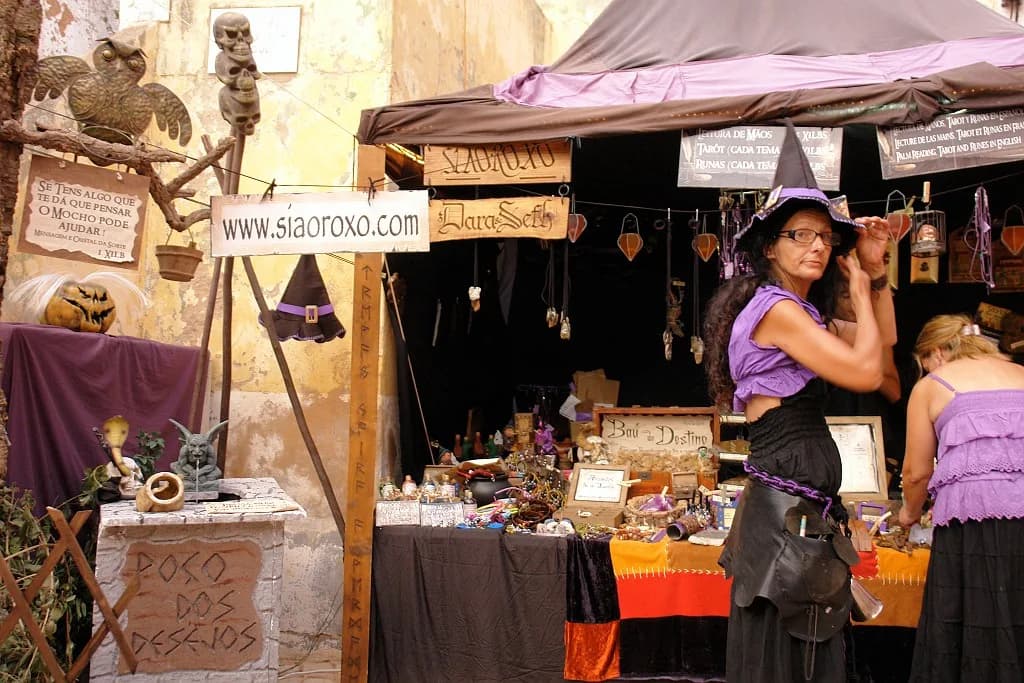
Every August, Silves' medieval center transforms into a living historical scene. The Feira Medieval de Silves features costumed processions, jousting, street theatre, and food cooked over open fires, all set against the town's Moorish castle. Each evening typically runs from around 6:00 pm to 1:00 am, but exact dates vary by year.
Because the fair is not guaranteed to run each year and details change, you should confirm the current edition's dates and hours through the Câmara Municipal de Silves website or the event's official social channels. Ticket prices and the lineup of shows like jousting and castle productions are also announced annually, so verify them before you travel.
The fair started in the mid-2000s and quickly became a highlight of the Algarve's summer. Visitors have long praised the authentic Moorish atmosphere and the community effort behind it. Always rely on official announcements for the year you plan to attend.
The Historic Setting: Silves, Capital of Moorish Xelb
The fair draws its character from the town's real history. In Moorish times, Silves was called Xelb and served as the capital of Al-Gharb, a thriving hub of commerce and learning. The red sandstone castle walls date to the 11th–13th centuries, and the old town's layout still follows the original medina.
The small Sé Cathedral stands on the foundations of the main mosque, a reminder of the layers of cultures that shaped the town. During the fair, the castle and cathedral form the backdrop for performances and processions. This historic setting gives the event a depth that purpose-built fairs cannot match.
Typical Dates and Hours: Confirm the Current Year
The fair's usual pattern is to run for about ten days in August, opening each evening at 6:00 pm and closing at 1:00 am. Past editions have started in the second week of August, for example in 2019 from August 9–18. However, each year's dates are set anew, so always check the official Câmara Municipal de Silves website for the current schedule.
The opening night typically features a grand costumed parade through the historic streets. The early evening, from 6:00 pm to 8:00 pm, is the calmest, letting you explore stalls before the crowds swell. As the night goes on, the atmosphere intensifies, with peak hours around 10:00 pm. Weeknights are generally more relaxed than weekends, so a Tuesday or Wednesday visit is often a good choice. Always verify exact dates and hours for the year you plan to attend, as they can change.
Entry and Show Tickets: What to Know
Admission to the fair requires a ticket, and in recent editions, entry has cost around €5 at the gate, with pre-sale wristbands sometimes priced lower. These rates are not fixed, so you should check current prices through the organizer's announcements. Some fair guides note that separate tickets are sold for special events like the jousting tournaments and the castle show, typically near the entrances. For more details on the ticket options and how to buy them, see our guide on how to get tickets for Silves Medieval Fair.
Not everyone buys show passes; wandering the streets and watching free performances is a valid way to enjoy the fair. If you do want to see the paid arena or castle events, purchase your tickets early in the evening to avoid long queues. The fair uses its own currency, the Xilb, for food and drink stalls, so you will need to exchange euros there.
What to Expect: Processions, Jousting, and Street Theatre
Each night typically begins with a procession from the fair entrance to the main square, with performers in period dress, musicians, and flags. Following that, a theatrical address welcomes the crowd at the city gates. Throughout the evening, fire-eaters, jugglers, and street musicians perform in the alleys and squares.
Jousting tournaments and war games are crowd favourites, staged in an arena where riders in armour compete. These often require a separate ticket. Inside the castle, a themed production is performed multiple times in the evening, usually at around 9:00 pm, 10:00 pm, 11:00 pm, and midnight, drawing on the town's history. For the full run of events and timings, consult our Silves Medieval Fair program and schedule.
Food and Drink: Open-Fire Fare and the Xilb Currency
Food vendors serve meat roasted over open fires, skewers, honey cakes, and other medieval-inspired fare. Many stalls operate on the fair's own currency, the Xilb, so arrive with cash to exchange. Exchange only what you plan to spend, since the lines for converting leftovers at the end of the night can be lengthy. For more on what to eat and how the currency works, see our Silves Medieval Fair food and drink guide.
Drinks are often served in earthenware cups that you can keep as souvenirs. There is also a royal banquet option, which typically requires advance booking and is priced separately. Since availability and prices are not fixed, check with the organizer directly about current bookings.
The Artisan Market and Crafts Demonstrations
Over a hundred stalls line the fairgrounds, offering leather goods, ceramics, textiles, and other crafts. Many artisans work on site, giving you a chance to watch blacksmiths, potters, and carpenters at their trade. The quality of goods varies, so look for those who are actively crafting rather than just selling.
Alongside crafts, you will find dried fruits, nuts, and spices, echoing the town's Moorish past. The market is an excellent place to pick up souvenirs. Early evening, before the heaviest crowds, is the best time to browse the stalls.
Atmosphere Throughout the Evening and the Week
The vibe changes as the night unfolds. Between 6:00 pm and 8:00 pm, the atmosphere is relaxed and family-friendly. As the sun sets, the streets fill, and by 10:00 pm, the old town becomes lively and crowded.
On weeknights, the event is more comfortable, letting you enjoy the shows and food without jostling through crowds. Weekends, especially Fridays and Saturdays, attract the largest numbers, so be prepared for congestion. Arriving early, ideally by 7:00 pm, helps you park, exchange money, and find a good spot for the evening's performances.
Practical Tips: Parking, Transport, and Cash
Parking is the most challenging part of visiting. The old town's streets are closed to traffic, and nearby lots fill quickly. On busy nights, the municipality often operates free shuttle buses from outlying parking areas, so it is wise to use those. Arriving before 7:00 pm gives you the best chance of finding a space close to the center. The train station is roughly 2 km downhill from the old town, but the return walk after midnight is steep and dark, so consider a taxi for the way back.
ATM machines in Silves can run out of cash on peak evenings, so withdraw enough euros before arriving. Comfortable, closed-toe shoes are strongly recommended because the cobblestone streets become slippery and uneven with the crowds. For more suggestions on dressing sensibly, check our what to wear to Silves Medieval Fair guide.
Extend Your Visit: Daytime in Silves and Beyond
Make the most of your trip by arriving in Silves during the day to tour the castle and the old town before the fair starts. Accommodation inside the village is limited, so book well in advance if you intend to stay overnight. Nearby Portimão has more options and is about a 20-minute drive away.
For a similar experience in a different setting, you might also look into the Sintra medieval fair dates and activities. If you plan to explore more of the country's festival scene, our hub lists many other options across Portugal.
Plan Your Visit
To plan a successful visit, begin by confirming the fair's dates and ticket policies from the official Câmara Municipal de Silves website or its social media. The event typically unfolds over ten August evenings from 6:00 pm to 1:00 am, but every year is announced separately. Arriving early helps you park, exchange money, and get a feel for the medieval city before the night reaches its peak.
For extras like jousting or a castle show, verify details and book through the organizer, as these are not guaranteed from year to year. Combine the fair with a daytime visit to the castle to appreciate the historical layers. With confirmed logistics, you will be free to enjoy the food, performances, and unique atmosphere of this historic celebration.
Related festival guides
Frequently Asked Questions
What happens at a medieval fair?
Medieval fairs typically feature costumed performers, street theatre, music, jousting tournaments, and stalls selling handcrafted goods and period-inspired food. They recreate the atmosphere of a medieval market or festival.
What are the dates for the Silves Medieval Fair?
The Silves Medieval Fair usually runs for about ten days in August, often starting in the second week. Exact dates vary each year, so check the official announcements from the Câmara Municipal de Silves.
How much do tickets cost for the Silves Medieval Fair?
Ticket prices change annually. Entry fees and separate passes for shows like jousting and the castle production are set each year, so check the official price list before you go.
Where is the Silves Medieval Fair held?
The fair takes place in the historic center of Silves, in the Algarve region of Portugal. The town's medieval streets and the Silves Castle serve as the main venue.
Is the Silves Medieval Fair suitable for children?
Yes, the fair generally offers family-friendly activities, including children's spaces with games and performances. However, the streets can become crowded in the evenings, so weeknights may be more comfortable for families.
How do I get to the Silves Medieval Fair?
You can drive to Silves via the A22 motorway or the N124, and there is limited parking near the town center. Free shuttle buses from outlying car parks are often provided during the event. The train station is about 2 km away, and there are bus connections, though evening services are limited.


