
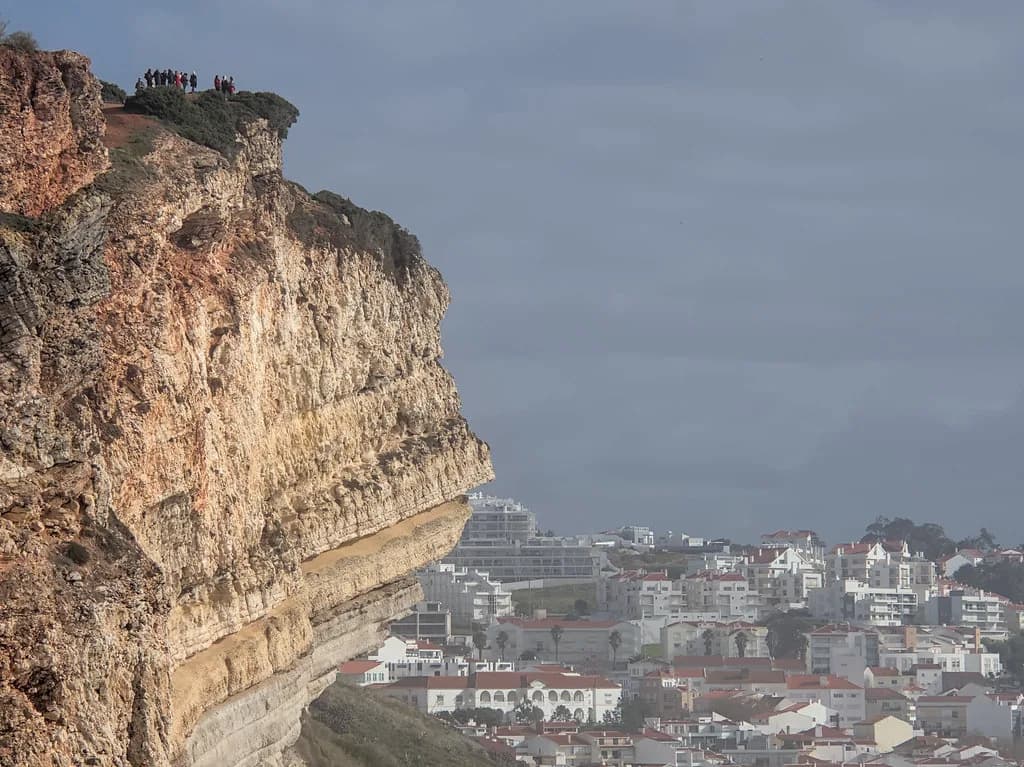
Nazaré, a fishing town on Portugal's Atlantic coast, has become the world's most famous big-wave destination. Its unique underwater canyon, the North Canyon, funnels and amplifies incoming swells, creating waves that can tower over 30 meters high. But these giants are not an everyday occurrence; they depend on distant storms that generate powerful ground swells.
If you want to witness these waves in person, the key is timing. The big wave season runs from October to March, with the most reliable action in December and January. However, even during peak months, you might wait days or weeks for the right conditions. This guide explains the season, the forecast factors that signal a big swell, and how to plan your visit to maximize your chances of seeing the Atlantic's most extreme surf.
The Big Wave Season: October to March
Nazaré's big wave season is tied to the North Atlantic's winter storm track. From October through March, low-pressure systems generate large swells that travel thousands of kilometers to the Portuguese coast. The season's peak is in December and January, when the most severe storms produce the largest waves. According to the tourism site nazarewaves.com, September and April can also produce big waves in some years, but winter is the most reliable time for the truly giant sets.
One popular guide to Nazaré in winter notes that the big wave season lasts from December to the end of February, with the best chances around January. This aligns with the official tourism site's broader window, but emphasizes that January is a sweet spot. If you're flexible, planning your trip between December and February gives you the highest probability of catching a big swell, though you should always check the forecast before booking.
How to Predict a Big Swell: Key Forecast Signs
Not every storm creates big waves at Nazaré. The North Canyon amplifies swells that meet specific criteria. According to the local tourism website, a good forecast for big waves requires a wave height exceeding 3 meters, a wave period greater than 13 seconds, and an offshore (north) wind. The wave period is the time between successive wave crests; a longer period means the swell has more energy and will produce larger waves when it hits the canyon.
Forecasts are only reliable up to about a week in advance, and longer-range predictions are less certain. To stay updated, you can subscribe to email alerts on nazarewaves.com or follow their Facebook page, where they post alerts when big swells are approaching. A photographer's winter guide also recommends checking the Nazaré surf forecast on websites like Surfline or Windguru, which provide detailed swell data tailored to the region.
How Long to Stay and When to Travel
If you need to book your trip in advance, the tourism site recommends staying at least two weeks in the region to ensure you catch at least one day of giant waves, and three weeks to increase your chances further. During the season, there are typically between one and six large swells per month, but there is no guarantee. A shorter stay of two to four days is only sufficient if you know a swell is arriving, so flexible travelers can wait for a favorable forecast and then travel at short notice.
Where to Watch: Cliff-top Viewpoints and the Beach
The best place to watch the waves is from Sítio da Nazaré, the cliff-top neighborhood on the north side of town, next to the Fort of São Miguel Arcanjo (the lighthouse). This vantage point offers a panoramic view of Praia do Norte, the beach where the giants break. You can also descend to the sand for a different perspective, but be extremely cautious: the sea is dangerous, and waves can sweep people off their feet. Several tourists have drowned in the past after getting too close.
The fortress is open year-round from 10 a.m. to 6 p.m. (entrance fee around €2, last entry 30 minutes before closing), but it may close during big wave competitions. If you're watching from the cliff, there is plenty of space along the hillside, so you can move around and find a good spot. The photographer's guide notes that the iconic photos of the lighthouse with huge waves are taken with telephoto lenses from a vantage point further back, so expect the waves to look smaller from the main viewing area.
Practical Tips: What to Pack and How to Get There
Winter in Nazaré is unpredictable. The photographer's guide describes days with sun and 14°C, followed by torrential rain, strong winds, and 7°C mornings that feel colder than the thermometer suggests. Pack layers, a waterproof jacket, and non-slip shoes, as the terrain on the hillside can be slippery. Bring an umbrella and a waterproof cover to sit on the ground, and carry water and snacks, as restaurants are far and crowded on big wave days.
The nearest airport is Lisbon. From there, you can rent a car and drive about 1.5 hours via the A8 highway, or take a bus from Lisbon's Sete Rios or Oriente stations, which takes about 1 hour 45 minutes and costs between €4 and €12 (in 2025). The bus is often the most practical option, as parking in Sítio can be very limited on big wave days; the tourism site recommends parking outside the perimeter and walking over a kilometer.
Safety and Respect on the Cliffs and Praia do Norte
Watching the waves is thrilling, but safety comes first. The tourism site warns that the sea at Praia do Norte is extremely dangerous; never turn your back on the ocean and keep a safe distance from the waterline. On the cliff, stay behind barriers and heed any warnings, as the edge can be slippery and unstable. The beach itself is patrolled and red flags indicate when swimming is prohibited, but even so, sneaker waves can reach far up the sand, as the photographer's guide recounts.
Respect the local community and environment. The hillside is a natural area, so take your trash with you and dispose of it properly. Be mindful of noise and traffic, especially on big wave days when the town gets crowded. Also, be aware that many businesses in winter have reduced hours or are closed entirely, and some only accept cash, so plan accordingly by checking opening times and having some euros on hand.
Monthly Breakdown: What to Expect from September to April
September: The season is just beginning. Big waves are rare, but early-season swells can occur, especially in the latter half of the month. The ocean may still be warm, and crowds are smaller.
October: The season kicks off with more frequent swells. Waves are typically smaller than in winter, but still impressive. November: Swells become more powerful and more consistent, with the first true giant waves of the season possible.
December: This is the peak month, with the most severe storms and the largest waves. Expect multiple big swell events, though they are still sporadic. January: The peak continues, often with the biggest waves of the season. February: Swells remain frequent but generally decrease in size as the month progresses.
March: The season winds down, with fewer and smaller swells. April: Rarely produces big waves, but occasionally a late-season storm can deliver a surprise. If you're planning a trip, aim for the December to February window, and use forecast tools to pinpoint the best days.
Plan Your Visit
Seeing giant waves in Nazaré is a matter of being in the right place at the right time. The season runs from October to March, with the peak in December and January. Monitor the forecast for wave heights over 3 meters with periods longer than 13 seconds, and be ready to travel at short notice if you can.
For the best view, head to Sítio da Nazaré near the lighthouse at Fort of São Miguel Arcanjo, and always respect the ocean's power. If you want to follow professional surfing competitions, check out our guide on how to follow and watch pro sessions in Nazaré.
Ultimately, patience is key. Even in peak season, you might wait a week for the perfect swell, but when it comes, you'll witness one of nature's most awe-inspiring spectacles. If you're planning other travels in Portugal, explore our guide to festivals in Portugal for more ideas on when to visit different regions.
Frequently Asked Questions
What month are the best waves in Nazaré?
The best months for giant waves in Nazaré are typically December and January, when the North Atlantic storms are most powerful and generate the largest swells. This is the peak of the big-wave season, which runs from October to March.
Is there a 100-foot wave in Nazaré, Portugal?
Nazaré's North Canyon can amplify swells into waves that may reach heights of 100 feet (30 meters), as mentioned by local tourism sources. However, confirming official wave heights is complex, and records are subject to verification by surf authorities.
How big are the waves in Nazaré by month?
Wave heights vary by month. October and November see powerful swells but smaller than winter peaks. December and January produce the largest waves, often exceeding 15 meters, while February and March gradually taper off. September and April occasionally have big waves but are less predictable.
When to go to Nazaré for big waves?
The ideal time is between December and February, with January being a sweet spot. You should plan to stay at least two weeks to maximize your chances, or monitor forecasts and travel on short notice when a big swell is predicted.
What does the 12-second rule mean in surfing?
The 12-second rule refers to a wave period of 12 seconds or more, which indicates a powerful, well-organized swell. In Nazaré, wave periods greater than 13 seconds are a key condition for giant waves to form, as longer periods carry more energy.


