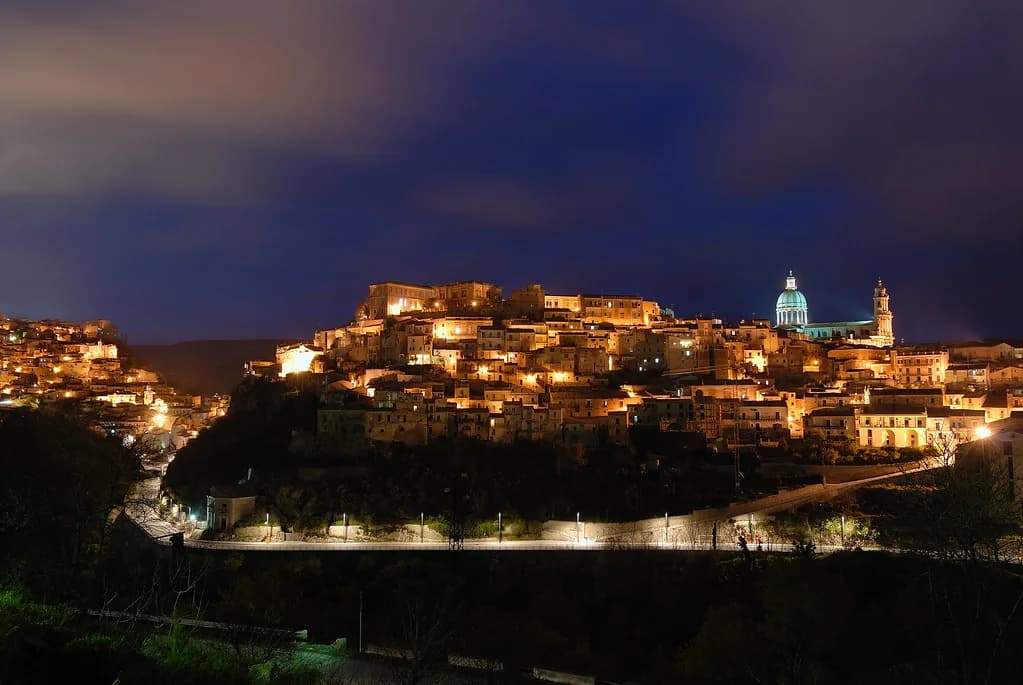
The Ibla Buskers Festival, officially known as Ibla Buskers, transforms the baroque streets of Ragusa into an open-air stage for street artists from around the world. For four days in autumn, music, acrobatics, poetry, and color fill the historic districts of this UNESCO-listed Sicilian town. The festival's emblem, a hot air balloon, evokes a sense of community and freedom that organizers say defines the event.
Travelers often refer to it as the "Buskers Festival," but the official title is simply Ibla Buskers, a distinction worth knowing when searching for current program details. The event does not always take place in the lower district of Ragusa Ibla; recent editions have alternated between Ibla and the newer upper town, Ragusa Superiore. This guide explains what to expect and how to verify details before you book.
Festival Dates: How to Confirm the Current Edition
The 30th edition of Ibla Buskers took place from October 9 to 12, 2025, according to the official Sicilian tourism portal Visit Sicily. That edition was held across both Ragusa Ibla and the "Supra" district (Ragusa Superiore). No dates for a 2026 edition have been confirmed in the sources reviewed, so do not assume the festival recurs on the same weekend each year.
Because the festival's schedule can shift, check the official Ibla Buskers website (iblabuskers.it) and the Visit Sicily event page before making travel plans. If you are reading this after October 2025, look for announcements about the next edition rather than relying on outdated information. Last-minute changes are possible, so confirm dates a few weeks ahead.
Where the Festival Takes Place: Ragusa Ibla and Ragusa Superiore
Ibla Buskers is a roaming festival. The 2024 edition was held entirely in Ragusa Superiore, the upper town often referred to as the "Supra" district, with performances along a route from Ponte Vecchio to via Matteotti. The 2025 edition, however, spanned both Ibla's alleys and the Supra district, according to the same official source. This alternating pattern means you cannot assume the festival will always be in the historic hilltop quarter of Ibla.
Ragusa Ibla and Ragusa Superiore are distinct neighborhoods separated by a deep valley and connected by stairways and a bridge. If you have limited mobility, knowing which district hosts the festival matters greatly, as the cobbled lanes of Ibla are steep and uneven. The official festival website and the Visit Sicily page typically publish a map and program closer to the event, which travelers have found useful for planning their routes.
When you know the exact venues, consult the official map before deciding where to stay. For a general understanding of the festival's typical locations, you can read the separate guide on where does the Ibla Buskers Festival take place in Ragusa. That resource explains how the festival has used different parts of the city in different years.
What to Expect: Street Performances, Kids Circus, and the Bazaar
Ibla Buskers brings together street artists from all over the world, offering music, acrobatics, poetry, and visual performances set against baroque architecture. The festival typically includes a Kids Circus, which engages children with workshops and parades, and a Bazaar where local artisans showcase creative works and crafts. These elements create a family-friendly atmosphere that goes beyond passive viewing.
The performances are spread across public spaces, so you can wander from one act to another. Since the festival is free to enter (though some shows may require tickets in future editions), the main cost is your travel and accommodation. If you are visiting with children, you may want to read the Family Guide to Ragusa Ibla Buskers Festival for practical suggestions on enjoying the event with younger audiences.
The Festival's Emblem: The Hot Air Balloon
The hot air balloon is the festival's emblem, appearing on posters and promotional material. According to Visit Sicily, it evokes dreams of community and freedom, reflecting the spirit of the gathering. You will likely see the motif repeated across the festival's visual identity, from banners to the bazaar.
Planning Your Stay: Where to Base Yourself in Ragusa
Ragusa has two main areas for accommodation: the historic quarter of Ibla and the modern upper town of Ragusa Superiore. If the festival is in Ibla, staying within walking distance might be convenient, but be prepared for steep climbs and stairs. If the festival moves to the upper town, you might prefer a hotel in Ragusa Superiore to reduce walking. Because the location changes, let the confirmed edition dictate your choice.
Travelers with mobility concerns have shared questions about this in online forums, noting that the hilly terrain can be challenging. When you book, ask the accommodation about accessibility features and the nearest points for dropping off luggage. For a comprehensive itinerary that balances festival time with sightseeing, consider the two-day plan outlined in the Ragusa Ibla Buskers Festival itinerary for two days.
Getting Around the Festival with Mobility Challenges
Ragusa Ibla's narrow, stepped alleys are beautiful but tough for those who find walking difficult. The 2024 edition, held in Ragusa Superiore, offered a route that was still largely on foot but with less verticality. For the 2025 edition, the festival spread across both districts, so you may need to rely on local buses or taxis to move between performance areas.
Before you go, contact the festival organizers directly (info@iblabuskers.it) to ask about accessibility provisions, such as accessible viewing points or wheelchair-friendly routes. Travelers on forums have reported that detailed maps are published online before each edition, which can help you plan your path. If you are staying outside the main festival zone, plan your transport in advance, as public services may be limited in the evenings.
Practical Tips for Enjoying the Festival
Wear comfortable shoes, as you will likely walk on cobblestones and slopes. Bring water and snacks, especially if you have children, and consider a light jacket for cooler autumn evenings. Since the festival is outdoors, check the weather forecast and have a backup plan if it rains.
Arrive early in the day to catch the full program without crowds, and use the official map to prioritize performances you don't want to miss. Street performances are often interactive, so be ready to participate if invited. Keep your valuables secure in crowded spaces, as you would at any large gathering.
Other Events and Attractions in Ragusa During Your Visit
Ragusa and its surroundings offer plenty of reasons to extend your stay beyond the festival. The town is part of the late Baroque towns of the Val di Noto, a UNESCO World Heritage Site, with highlights like the Duomo of San Giorgio in Ibla and the panoramic views from the Giardino Ibleo. If you visit in autumn, you might also catch the Ragusa Foto Festival, which runs from late August to late September in some years, though check the schedule for exact dates.
For those interested in religious traditions, Ragusa's Holy Week processions are a major draw, but they occur in spring, not October. If your trip coincides with a different festival season, you can explore other cultural events through local tourism resources. A separate guide to the Ragusa Ibla Buskers Festival history and what makes it unique explains how the event has evolved since its founding.
Final Thoughts: Why the Ibla Buskers Festival Is Worth Attending
Ibla Buskers offers a rare chance to see world-class street art in the stunning setting of a UNESCO-listed baroque town. The festival's changing location means each edition brings a fresh perspective, whether you are wandering Ibla's alleys or exploring the upper town's grand avenues. The atmosphere is festive and community-oriented, with a mix of performances that appeals to both adults and children.
Because the festival dates and venues vary, the key is to verify current details from official sources before booking. Once you have confirmed the edition, use the festival's published program and map to plan your days. With a little preparation, you can enjoy a memorable cultural getaway in one of Sicily's most beautiful towns.
Plan Your Visit
To make the most of the Ibla Buskers Festival, start by confirming the next edition's dates and locations on the official website, iblabuskers.it, or via the Visit Sicily tourism portal. Then choose your accommodation based on where the performances will be held, keeping mobility in mind.
Book your stay early, as October is a popular time to visit Ragusa, and plan to arrive a day before the festival begins to settle in and explore. With flexible plans and practical footwear, you'll be ready to enjoy the street art, culture, and charm of Ragusa at this one-of-a-kind event.
Related festival guides
Frequently Asked Questions
What are the dates for the Ibla Buskers Festival?
The festival has been held in early October in recent years, with the 2025 edition from October 9 to 12. However, dates can change, so always confirm the current edition's schedule from the official Ibla Buskers website or the Visit Sicily event page before planning your trip.
Where does the Ibla Buskers Festival take place?
The festival moves between Ragusa Ibla and Ragusa Superiore. In 2024 it was in the upper town, while in 2025 it spanned both districts. Check the official program for the exact locations of the edition you plan to attend.
Is the festival in Ragusa Ibla or Ragusa Superiore?
It varies by year. Historically, it was often in Ibla, but recent editions have used the upper town. For the 2025 edition, performances were in both areas. Always verify with current official sources.
Is the festival suitable for people with difficulty walking?
Ragusa's historic streets are hilly and cobbled, which can be challenging. The festival's location affects accessibility; the upper town may be easier. Contact the organizers for accessibility details and use official maps to plan your route.
What kind of performances can I see at Ibla Buskers?
You can expect street performances including music, acrobatics, and poetry, plus a Kids Circus with workshops and parades, and a Bazaar with local crafts. The acts change each year, drawing international artists.