
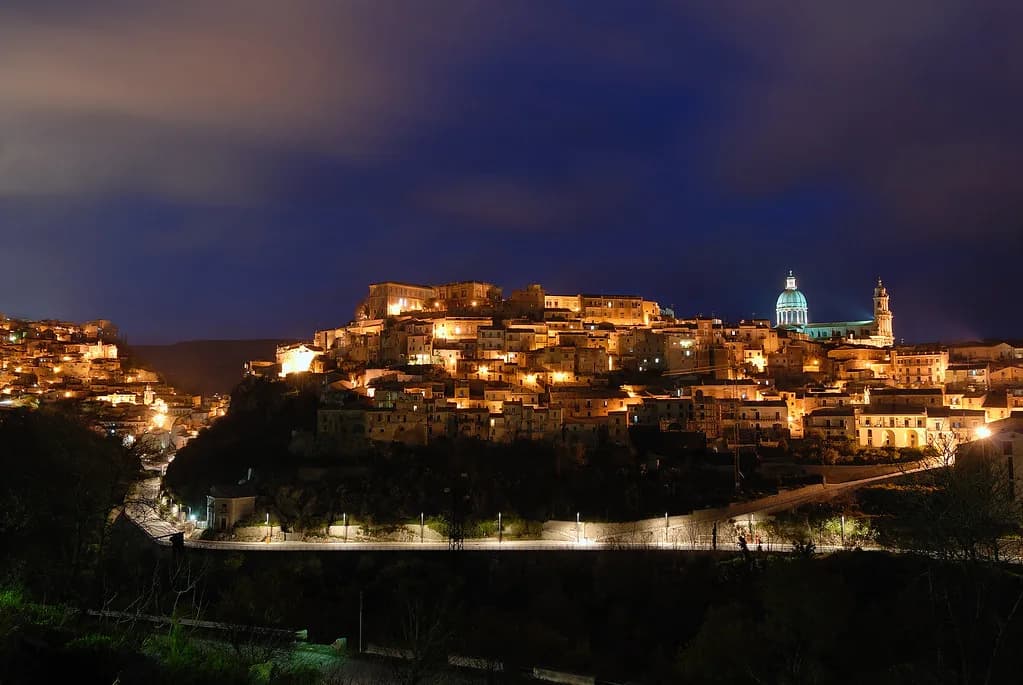
The Ragusa Ibla Buskers Festival is an annual international street arts festival that transforms the baroque lanes of Ragusa Ibla and the upper Supra district into open-air stages. For four days each October, musicians, acrobats, poets, and colorful performers take over the city, drawing an estimated 60,000 visitors. If you are planning a two-day visit, you will want to balance the festival's dynamic schedule with time to appreciate Ragusa's architectural beauty and local atmosphere. This itinerary offers a flexible framework to help you enjoy the best of both.
Understanding the Festival
The festival's heart lies in the narrow alleys and squares of Ragusa Ibla, where performers rotate throughout the day and night. According to the official regional tourism site, the 30th edition in 2025 featured street artists from around the world bringing music, acrobatics, poetry, and color to the city. The program typically includes the Kids Circus, which engages children with workshops and parades, and a Bazaar showcasing creative works and crafts. The festival's hot air balloon emblem symbolizes dreams of community and freedom, themes that resonate in the celebratory atmosphere. The upper Ragusa Superiore district also hosts performances, so expect to move between the two levels.
Performances differ each night, so two days give you the chance to catch a variety of acts without repetition. The festival's official website is the best source for the program, as schedules are typically released closer to the event. Note that while the festival is free to attend, some workshops or special events might require booking; check the official site for any updates. With large crowds expected, especially in the evenings, a little flexibility goes a long way.
Planning Your Two-Day Visit
Start with accommodation: book well in advance, as the festival attracts visitors from across Sicily and beyond. Staying in Ragusa Ibla puts you in the heart of the action, but the upper town is a short walk or bus ride away. For transport, consider arriving by train or bus, as parking in the historic center is limited. If you drive, plan to use peripheral lots and walk or take local shuttles. The regional tourism site and the festival's official pages will have the most current advice closer to the dates.
Day 1: Morning – Explore Ragusa Ibla
Begin your first day with a slow walk through Ragusa Ibla before the crowds build. The baroque alleys, stairways, and the majestic Duomo di San Giorgio are best enjoyed in the morning light. You can wander from the Portale of San Giorgio to the Giardino Ibleo, a peaceful garden with panoramic views over the valley. This is also a good time to photograph the intricate stonework without festival-goers in every shot.
Day 1: Afternoon – Kids Circus and Bazaar
In the afternoon, the festival's family-friendly activities come alive. The Kids Circus typically sets up in a central square, offering workshops and parades that encourage children to participate. The Bazaar, with its creative crafts and works, provides a lively browsing experience for all ages. Vendors often set up in the streets surrounding the main performance areas, so follow the sound of music and laughter. This is a good time to engage with local artisans and pick up unique souvenirs.
Day 1: Evening – Main Performances
As dusk falls, the festival's energy peaks. Move to the larger squares where main performances take place, but also duck into smaller courtyards for intimate shows. Because programs vary each night, you might see a mix of fire artists, acrobats, and live bands. Position yourself early if there is a specific act you want to see; otherwise, let the crowd guide you. The atmosphere is electric, with the baroque backdrop illuminated by streetlights and the festival's signature hot air balloon often floating nearby.
Day 2: Morning – Discover Ragusa Superiore
On your second morning, take a break from the festival to explore Ragusa Superiore, the upper town. Head to the panoramic viewpoints, such as the Belvedere near the Cathedral of San Giovanni, for a different perspective over Ibla. The upper town offers a contrast to the lower district's density, with wider streets and 19th-century architecture. You can also visit the Cathedral itself, which houses a distinctive wooden statue. The walk between the two levels is picturesque, passing through gardens and along the scenic Via Roma.
Day 2: Afternoon – Workshops and Smaller Shows
Return to Ibla for the afternoon's offerings, which often include poetry readings, small theater pieces, and interactive sessions. Check the festival program in the morning to see what is on; some events may require arriving early to secure a spot. The smaller shows are a chance to experience the diversity of street arts beyond the main stage. If you are traveling with kids, look for additional Kids Circus workshops or a final parade that might take place before the evening rush.
Day 2: Evening – Final Night Experience
For your final evening, pick a spot that offers both performances and a sense of the festival's overall buzz. The area around the Duomo often hosts the grandest shows, but the narrow lanes of Ibla create intimate stages that feel more personal. As the night progresses, the crowds thin out, leaving space to wander and stumble upon spontaneous acts. Savor the last street-food bites and the lingering music as you conclude your two days in Ragusa.
Practical Tips for Navigating Crowds
Expect large gatherings, especially in the early evening, as the festival attracts around 60,000 visitors over its four days. To avoid the worst congestion, plan to watch performances from the edges of squares or from elevated vantage points like steps or balcony areas. Moving between Ibla and Superiore can be efficient by using the Scala di Santa Maria del Gesù, a long staircase, or by catching the local bus that connects the two districts. Keep your schedule flexible, as impromptu performances can shift the flow of the crowd.
Where to Eat Near the Festival
Dining in Ragusa Ibla ranges from quick street food to sit-down restaurants serving Sicilian specialties. During the festival, food vendors often line the main routes, offering arancini, panelle, and other local snacks. For a proper meal, choose a trattoria that is not directly on the busiest performance route to avoid long waits. Booking ahead for dinner is wise, especially for evening shows, as restaurateurs report being fully booked during festival nights.
Plan Your Visit
A two-day visit to the Ragusa Ibla Buskers Festival lets you experience the best of the event while also discovering the architectural treasures of Ragusa. The festival's strength lies in its spontaneity, so resist over-planning; let the music lead you through the alleys. Remember to check the official festival website for the latest program and any updates. Whether you are traveling with family or solo, the blend of art, history, and atmosphere makes for an unforgettable stay in Sicily.
Frequently Asked Questions
Is the festival suitable for children?
Yes, the festival includes dedicated activities for children, such as the Kids Circus, which offers workshops and parades designed to engage younger visitors. The daytime atmosphere is family-friendly, but evenings can be crowded, so keep an eye on your little ones during the main performances.
Are there daytime activities?
Yes, besides the main shows in the evening, there are workshops, craft bazaars, and smaller performances happening throughout the day. The Kids Circus activities are typically scheduled in the afternoon, and the bazaar is open during daylight hours.
How does the schedule work?
The festival's program is usually released closer to the event date. Performances are spread across various venues in Ragusa Ibla and Ragusa Superiore, with acts rotating throughout the day. Different shows take place each night, so check the official schedule for times and locations.