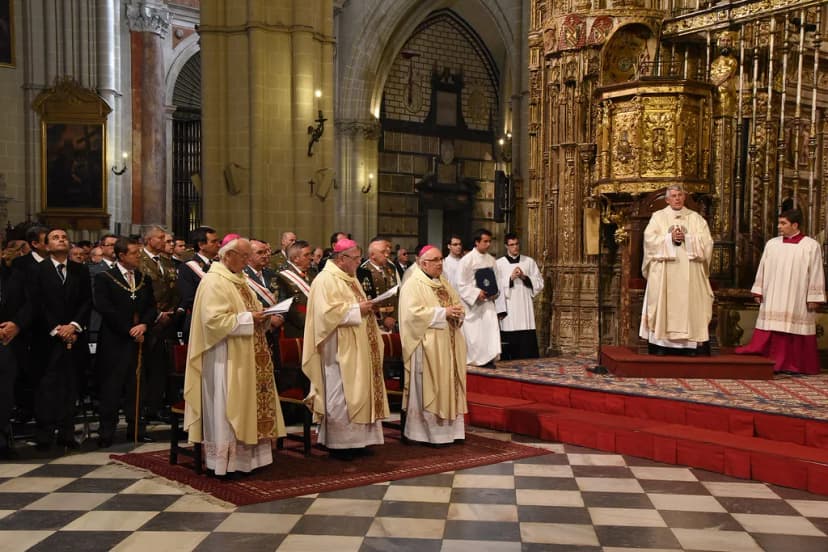
Corpus Domini in Orvieto is one of the most significant annual events in this Umbrian hill town, blending deep religious devotion with spectacular medieval pageantry. For locals, it ranks just behind Christmas and Easter in importance, a testament to its historical weight. The heart of the celebration is the veneration of the Sacro Corporale—the blood-stained cloth connected to the Miracle of Bolsena—which is carried through the streets in a grand procession.
The celebration is not a single event but a multi-day affair that includes several distinct processions, including a Ladies' Procession and the main historic procession on the Sunday of Corpus Domini. The exact dates for the events vary annually, as they are tied to the movable feast of Corpus Christi, which falls on the Thursday after Trinity Sunday. Local organizers typically announce the full program of events on official tourism channels a few weeks in advance.
Whether you are a pilgrim, a history enthusiast, or simply a curious traveler, witnessing this living medieval tradition offers a rare insight into Orvieto's identity. The procession recreates the pageantry of the 13th century with around 400 participants in period costumes, making it a memorable spectacle against the city's medieval backdrop.
The Historical Connection: The Miracle of Bolsena and Pope Urban IV
The origins of Corpus Domini trace back to 1263, when a German priest, Peter of Prague, reportedly experienced a miracle while celebrating Mass at the Church of Santa Cristina in nearby Bolsena. As he consecrated the host, blood is said to have seeped from the wafer and stained the linen corporal beneath. This event became known as the Miracle of Bolsena and quickly came to the attention of Pope Urban IV, who was then residing in Orvieto.
In 1264, Pope Urban IV established the feast of Corpus Domini (Corpus Christi) as a universal holiday to honor the Eucharist, partly in response to contemporary doubts about transubstantiation. The pope's connection to Orvieto is a source of local pride, and the tradition of celebrating Corpus Domini here with great solemnity has continued for more than seven centuries. The story is deeply woven into the city's identity, and the cathedral itself was built partly to house the relic.
The Sacro Corporale: The Sacred Cloth at the Heart of the Celebration
The focus of the entire celebration is the Sacro Corporale, the linen cloth that is believed to have been stained with blood during the Miracle of Bolsena. For most of the year, this relic is kept in a splendid gilded ciborium inside the Cappella del Corporale in Orvieto's Duomo. During the Corpus Domini festivities, it is taken out and carried through the streets in a solemn procession, a privilege that underscores the event's deep religious significance.
On the Sunday of the main procession, the archbishop or a designated prelate carries the relic under a canopy, accompanied by clergy, confraternities, and the faithful. The procession moves from the church of San Francesco (or a similar starting point) through the medieval streets, finally arriving at the Duomo, where the relic is venerated during a special Mass. Witnessing this transfer of the sacred cloth is a moving experience, even for non-Catholics, as it connects the town to its most cherished divine miracle.
The Historic Procession: Medieval Costumes, Guilds, and Noble Families
The historic procession is a spectacular reenactment of the medieval era, featuring around 400 participants dressed as members of Orvieto's historic municipalities, guilds, and noble families. They carry coats of arms and period weapons, recreating the atmosphere of a 13th-century civic parade. Each of the city's four historical quarters—Corsica, Serancia, Olmo, and Santa Maria della Stella—is represented with its own flag and colors, adding a layer of local identity to the event.
The parade also includes representatives of various medieval guilds, from barbers and ironworkers to bookmakers and vintners, each bearing their own colorful banner. The sound of drums and occasional bagpipes accompanies the marchers, creating an immersive medieval soundscape. This living history display offers a unique chance to see the social structure of medieval Orvieto come to life, with meticulous attention to costume and detail.
In addition to the historic procession, the festivities often include a separate Ladies' Procession (Corteo delle Dame e dei Popolani) on the preceding Saturday, which features women and children in elegant attire, accompanied by drummers and musicians. This procession has a different character—more graceful and communal—but is equally picturesque. Observing both events provides a fuller picture of the celebration's range.
The Route: From Palazzo del Popolo to Piazza Duomo
The main historic procession departs at a set time in the morning (often around 10 AM) from Palazzo del Popolo, a grand medieval palace located in the heart of the city. From there, it winds through Orvieto's narrow streets and main thoroughfares before reaching its ultimate destination: Piazza Duomo, in front of the magnificent cathedral. The exact route may vary slightly from year to year, but the principal landmarks remain constant.
The start at Palazzo del Popolo is symbolic, as that building housed the civic government in medieval times, while the Duomo represents the spiritual heart of the city. The procession travels through Via del Duomo and other central streets, allowing spectators to line the route and witness the parade up close. The elevated position of Orvieto provides dramatic views of the procession against the backdrop of the surrounding Umbrian countryside.
What to Expect: Schedule, Atmosphere, and Practical Viewing Tips
The atmosphere during Corpus Domini in Orvieto is a blend of deep reverence and festive community spirit. Visitors can expect crowded streets, particularly near the Duomo and along the main processional route. The highlight is the moment when the Sacro Corporale returns to the cathedral, often accompanied by a candlelight procession inside the Duomo and the sound of the organ, creating an unforgettable spiritual ambiance.
To get a good viewpoint, arrive early along the route, particularly near Piazza Duomo where the procession concludes and the final ceremonies take place. Consider posting up near Palazzo del Popolo to see the parade depart, or find a spot along Via del Duomo for a closer look at the marchers in their elaborate costumes. Be prepared for warm weather and standing for extended periods, and bring water and sun protection.
The celebrations typically span about a week, beginning with a series of preliminary events and culminating on the Sunday of Corpus Domini. Since specific dates shift annually, travelers should consult the official tourism website for Orvieto and Umbria for the most current schedule. Whether you attend the historic procession, the Ladies' Procession, or both, you'll need to plan your visit around these carefully announced dates.
Considering attending other medieval processions in the region? Explore the Festa della Palombella in nearby Orvieto, a Whit Monday tradition that also features a historic procession, to combine your trip with another cultural highlight.
How to Visit Orvieto for Corpus Domini: Planning and Getting There
Orvieto is well-connected by train, sitting on the main Rome-Florence line, making it an easy day trip or a base for a longer stay. The town's funicular railway connects the train station to the historic center, which is mostly car-free and best explored on foot. For those driving, parking is available at the base of the town, from where you can ride the funicular or take a bus up the hill.
Accommodations in Orvieto fill quickly for Corpus Domini, so booking well in advance is advisable. Staying overnight allows you to experience the quieter evening atmosphere and the local cuisine, which is a highlight of any visit. Many visitors also plan their trip to coincide with other local events, such as the evocative Orvieto in Fiore flower displays or the Festa della Palombella, which often fall around the same period.
Related Festivals and Events in Orvieto
If you're structuring a visit around Corpus Domini, consider timing it to include Orvieto's Festa della Palombella, a Whit Monday celebration that features its own striking procession, historical costumes, and the release of a mechanical dove in the cathedral square. It's another of Orvieto's most cherished traditions and offers a different perspective on the town's festive calendar.
Orvieto also hosts a flower festival known as Orvieto in Fiore, which often occurs around the same time of year and fills the streets with colorful flower displays. For a broader view of the town's cultural calendar, you might also explore the town's music festivals and winter jazz, which attract international audiences and provide year-round reasons to visit this remarkable city.
Plan Your Visit
Corpus Domini in Orvieto is more than a religious holiday; it's a living link to the town's medieval past and its most celebrated miracle. The sight of hundreds of costumed figures accompanying the Sacro Corporale through the cobbled streets toward the magnificent Duomo is a spectacle that lingers in memory long after the crowds have dispersed.
Before finalizing your trip, confirm the exact dates of the events on the official tourism websites for Orvieto and Umbria, as the feast date changes every year. The procession typically takes place in late May or early June, and the full program—including the Ladies' Procession and other related festivities—is announced annually.
For a deeper dive into Orvieto's other historic festivals, browse our guide to Orvieto's historic festivals and processions, and make your journey a celebration of Umbria's rich cultural heritage.
Frequently Asked Questions
What color to wear on Corpus Christi Sunday?
There is no strict dress code for attending Corpus Domini processions in Orvieto, though visitors often choose sober, respectful attire suitable for a religious event. Since you'll likely be standing or walking in the sun, practical clothing and comfortable shoes are recommended.
How long does an eucharistic procession last?
The main Corpus Domini procession in Orvieto typically lasts a few hours, beginning around mid-morning and culminating at the Duomo in the early afternoon. The exact duration may vary, so check the official program for precise timings.
What is Orvieto famous for?
Orvieto is renowned for its spectacular Gothic cathedral, the Duomo, which houses the Sacro Corporale relic. Its historic hilltop setting, Etruscan heritage, and underground caves also attract visitors.
What is a Corpus Christi procession?
A Corpus Christi procession is a solemn religious event where the Blessed Sacrament (consecrated host) is carried through the streets, often accompanied by clergy, religious confraternities, and the faithful. In Orvieto, the procession additionally features a large historical reenactment and the display of the Sacro Corporale.