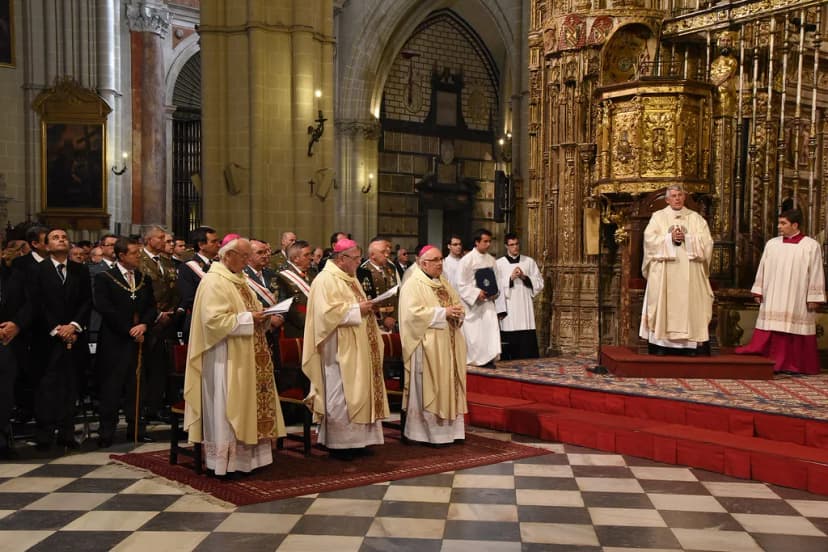
Every August, the Sicilian port city of Trapani honors its co-patron, Sant'Alberto, with a two-day festival that mixes fervent religious rites with civic pageantry. Although the city's primary devotion is to the Madonna of Trapani, residents have long considered Sant'Alberto a second protector, and the feast held in his name remains the most heartfelt event on the local summer calendar. For visitors, it offers a rare glimpse into a tradition where faith and community identity are inseparable.
The festival centres on a series of processions that carry the saint's simulacrum through the historic core, accompanied by the mayor surrendering the city keys and a blessing of water that recalls a medieval miracle. Unlike larger, more touristic Sicilian celebrations, the Festa di Sant'Alberto is an intimate affair, rooted in neighbourhood pride and solemn ritual. Understanding a few key moments before you arrive makes it far easier to follow the flow of the day and share respectfully in the experience.
When Is the Festa di Sant'Alberto? Dates and Schedule
The Feast of Sant'Alberto in Trapani takes place annually on August 6 and 7, according to the event listing on Enjoy Sicily. For the 2026 edition, those are the dates the religious programme and related outdoor events are set to occur, with detailed schedules usually published in advance by local organisers.
The evening of August 6 is marked by the water blessing and the opening liturgy, while the main feast day on August 7 features the solemn mass and the grand procession through the historic centre. Because exact times can shift each year, check the programme once it is released by the parish or municipal authorities.
If you are planning around this festival, remember that the event will shape hotel availability and street closures across the city centre. Use the official dates as your starting point, then confirm start times and any last-minute changes closer to your visit.
The Religious Heart of the Feast: Water Blessing, Processions, and the Simulacrum
On the eve of the holiday, an ancient tradition takes centre stage: during the Eucharistic liturgy, water is blessed to commemorate a miracle attributed to the saint. According to local accounts, Sant'Alberto healed the dying son of King Peter III of Aragon by giving him a sip of water that contained fragments of the saint's garment.
The following day, the simulacrum of Sant'Alberto leaves the Sanctuary of the Madonna of Trapani on a cart pulled by devotees. It then makes its way through the historic streets for the main procession, before returning to the sanctuary in the evening. Pilgrims and onlookers line the route to offer prayers and toss flowers, making it the emotional peak of the entire event.
Civic Traditions: The Mayor's Key Delivery and the Cart Pulled by Devotees
A secular ritual that fascinates first-time visitors is the mayor's delivery of the keys to the city during the procession. This symbolic act underscores the bond between civil authority and religious devotion, honouring the saint as the city's protector for another year.
Equally distinctive is the transport of the heavy simulacrum: it is placed on a cart that is dragged along by a team of devotees, a gesture of personal offering that intensifies the physical effort of the procession. Watching the strain and determination of the pullers is a moving reminder of the festival's deep popular roots.
What to See in Trapani Around the Festival: Sanctuary, Historic Centre, and Beyond
The festival begins at the Sanctuary of the Madonna of Trapani, known formally as the Basilica Maria Santissima Annunziata. Built in the early 14th century and rebuilt in the 18th, it houses a celebrated marble statue of the Madonna, making it both a spiritual and artistic landmark. While you are there, the adjacent Museo Regionale Agostino Pepoli offers a deep dive into the region's art and history.
In the historic centre, Corso Vittorio Emanuele is the main artery and the heart of evening social life, lined with gelaterie and bars. The narrow streets open onto the sea on both sides, and the Ligny Tower at the tip of the peninsula provides panoramic views where the Tyrrhenian and Mediterranean waters meet. For a more solemn contrast, visit the Cathedral of San Lorenzo and the baroque Chiesa del Collegio dei Gesuiti, both on the same promenade.
Practical Tips for Visitors: Crowds, Heat, and Getting Around
August in western Sicily is hot and humid, with high temperatures often lingering well into the evening. Bring water, a hat, and light, respectful clothing; shoulders and knees should be covered if you plan to enter the churches or follow the procession closely. Pace yourself and retreat to a café in the shade during the warmest part of the afternoon.
The procession route through the historic centre is narrow, and spectators can quickly crowd the sidewalks. Arrive early for a good vantage point, especially near the sanctuary where the event begins and ends. Street closures will force traffic detours, so plan to walk or use public transport rather than driving into the centre during the festival days.
Book accommodation well in advance if you plan to stay overnight, as August 7 draws both pilgrims and day-trippers. For independent travellers, the train and bus station are about a 15-minute walk from the centre, and taxis may be scarce after the evening procession, so factor in extra time to return to your base.
Where to Eat in Trapani: Seafood and Couscous Specialties
While in Trapani, you must try the city's signature dish: couscous cooked with a rich fish soup, often referred to as 'couscous di pesce'. The couscous slowly absorbs the sauce, resulting in a dense, flavourful plate that is celebrated across the region. Seafood in general dominates menus, from raw fish carpaccio to grilled octopus and small fried fish.
For a traditional meal, locals point to Ristorante La Petita da Gianni, slightly outside the centre, for authentic Trapanese seafood and couscous. Another well-regarded spot is Salamureci, which also offers a boutique hotel, and there are numerous trattorias along the seafront that are perfect for a casual plate of pasta with sea urchin or bottarga. Remember to finish with a gelato from one of the shorefront parlours.
Nearby Excursions from Trapani: Egadi Islands, Erice, and Salt Pans
If you have extra time beyond the festival, day trips from Trapani are easy and rewarding. Hydrofoils connect the port to the Egadi Islands—Favignana, Levanzo, and Marettimo—where you can swim in crystal-clear coves and explore old tuna-fishing settlements. The medieval hilltop town of Erice, with its cobbled lanes and sweeping views, is a short drive or bus ride away.
Closer to town, the salt pans and windmills of the Trapani and Paceco nature reserve form a timeless landscape, especially beautiful at sunset. For a truly local experience, sample some of the region's sea salt or visit a salt museum. These excursions offer a serene counterpoint to the crowded festival days.
Final Advice for Enjoying the Festival Respectfully
Remember that the Festa di Sant'Alberto is first and foremost a religious event for the people of Trapani. Join the processions with a spirit of reverence: avoid pushing, yelling, or blocking the path of the simulacrum, and follow the lead of local participants when it comes to liturgical gestures and moments of silence.
Photography is usually welcome, but be discreet during the most sacred moments, particularly the water blessing and the return of the simulacrum. If you have specific questions about times or access, ask at the sanctuary or the tourist office, as they will have the most updated information for the current year.
Plan Your Visit
The Festa di Sant'Alberto offers a sincere look at Trapani's religious identity and community pride—an experience that stays with you long after the crowds disperse. With its blend of ritual, physical devotion, and civic ceremony, it rewards travellers who come prepared for the heat and the solemnity.
Check the official programme and local announcements for the exact schedule, then build your trip around the processions, leaving room for the city's seafood and coastal excursions. A thoughtful approach will let you appreciate the festival without disturbing its spirit.
More festivals in Italy
Frequently Asked Questions
What are the dates of the Festa di Sant'Alberto in Trapani?
The feast takes place annually in Trapani on August 6 and 7. In 2026, the celebrations are set for those dates. Always verify the schedule with the local organisers closer to your visit, as times and additional events may vary.
What happens during the Festa di Sant'Alberto?
The festival includes religious rites, processions, and civic ceremonies. On the eve, water is blessed to commemorate a miracle. On the feast day, a solemn mass is followed by a procession of the saint's simulacrum through the historic centre, accompanied by the mayor delivering the city keys.
Where does the procession of Sant'Alberto take place?
The procession starts at the Sanctuary of the Madonna of Trapani (Basilica Maria Santissima Annunziata) and winds through the historic centre of Trapani, before returning to the sanctuary. The exact route is not fixed in advance and can vary each year.
What is the water blessing during the feast?
The water blessing is a ritual held on the eve of the feast, recalling a miracle attributed to Sant'Alberto. According to tradition, the saint healed the dying son of King Peter III of Aragon by giving him a sip of water containing pieces of the saint's garment.