
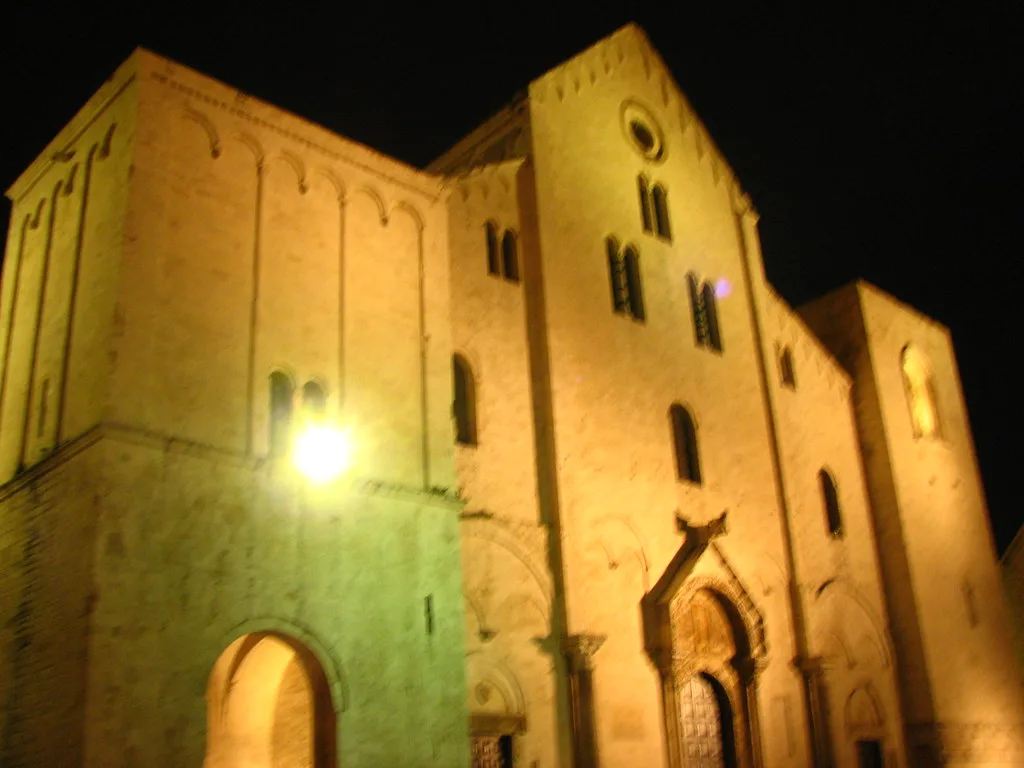
Every May, the southern Italian city of Bari honors its patron saint, San Nicola, with a three-day festival that mixes solemn religious rites with lively street celebration. Known as the Festa di San Nicola, it draws thousands of pilgrims and travelers from across Apulia and beyond to the city’s old town and harbor.
The festival takes place from May 7 to 9 each year, according to the St. Nicholas Center. For visitors, it offers a chance to witness deeply rooted traditions that have continued for nearly a millennium, from a historical parade to a dramatic sea procession and the mysterious extraction of the Holy Manna.
This guide covers the festival's background, the events of each day, and practical tips for attending. Note that while the core structure is stable, specific times and performers for future editions can vary, so it is wise to check official announcements closer to your visit.
The Story Behind the Festival: The Translation of Relics from Myra to Bari
The Festa di San Nicola commemorates the translation of Saint Nicholas’ relics from Myra (in modern-day Turkey) to Bari in 1087. According to the National Organization of Italian American Women, 62 sailors transported the relics, which arrived in Bari in 1089, hoping the saint’s presence would draw pilgrims and revitalize the city’s economy.
Since then, the city has celebrated the anniversary each May, honoring the saint who is revered by Catholics and Orthodox Christians alike. The festival’s maritime character reflects the relics’ journey by sea, a theme that recurs in the sea procession and the harbor-side ceremonies.
When and Where: The Three-Day Celebration (May 7-9) in Bari’s Old Town and Harbor
The festival unfolds in Bari’s old town, centered on the Basilica di San Nicola, and along the city’s waterfront and harbor. The basilica, which houses the saint’s tomb, is the spiritual heart of the celebration, while the nearby squares and piers host many of the outdoor events.
Bari’s old town is compact and walkable, making it easy to move between the basilica, the harbor, and the main squares. For the most current schedule of events, consult the official Basilica di San Nicola website or Bari’s tourism board, as program details can change year to year.
Day 1 – May 7: The Corteo Storico (Historical Parade) and the Icon at Sea
The festival begins on the morning of May 7, when priests take an icon-type painting of St. Nicholas out to sea for the day, as described by the St. Nicholas Center. When the painting returns, the Corteo Storico, a grand procession of people in 11th-century costume, follows it from the port of San Giorgio through the streets to the square in front of the Basilica di San Nicola.
The parade features floats and dramatic reenactments that tell St. Nicholas’ story. In recent years, the event has included artistic direction by Elisa Barucchieri and the ResExtensa company, with aerial dance performances in Piazza Libertà, according to the blog ParkingMyCar. However, details for future editions should be verified with official sources.
As evening falls, the old town is illuminated by large decorative light screens, creating a festive atmosphere that lasts throughout the festival. Crowds gather along the parade route, and the square in front of the basilica becomes a focal point for celebrations.
Day 2 – May 8: The Sea Procession of the Statue of San Nicola
On May 8, the festival turns to the sea. Crowds assemble at the breakwater for a large outdoor Eucharist celebrated by the Archbishop of Bari, as reported by the St. Nicholas Center. A larger-than-life statue of St. Nicholas from the basilica is brought in procession and placed near the altar for the service.
Following Mass, the statue is carried aboard a decorated boat, and a flotilla of vessels escorts it on a day-long voyage through Bari’s harbor. The return in the evening is deeply moving: twelve costumed men carry the statue on their shoulders through the crowds, accompanied by bearers with flower poles and torches.
The statue, with its fabric garments swaying, appears to walk above the people as it is paraded through town. It is eventually placed before the portico of the cathedral in the illuminated public square, where pilgrims can venerate it for several days before it returns to the basilica.
Day 3 – May 9: The Extraction of the Holy Manna and Solemn Religious Services
May 9 is the most solemn day. The basilica hosts a Mass filled to overflowing, celebrated by the Archbishop of Bari with invited ecumenical guests, including Orthodox representatives. As the service concludes, the altar party and choir descend to the crypt, where the rector extracts the manna, a liquid that has collected around the relics, from an opening in the tomb.
The vessel of manna is elevated with great acclamation and borne into the church, where the faithful queue to venerate it. This rite, known as the Extraction of the Holy Manna, is the spiritual climax of the festival, and it is only on this day that pilgrims can witness this ancient tradition.
Beyond the Religious Core: Lights, Markets, and Festival Atmosphere
While the religious ceremonies are central, the festival also embraces folk elements. The old town near the basilica hosts medieval craft markets, where local artisans in costume sell handmade goods, as noted by the National Organization of Italian American Women. Stalls offering local food and sweets add to the vibrant street scene.
Throughout the three days, the city glows with decorative light screens, and fireworks illuminate the sky over the harbor in the evenings. The mix of worship and revelry makes the Festa di San Nicola a uniquely Apulian experience, rooted in centuries of tradition yet lively and accessible.
How to Participate: Attending as a Pilgrim or Visitor
Whether you come as a pilgrim or a curious traveler, participation is straightforward. The key events are held in public spaces, and most processions and masses are open to all. To join the sea procession, you can book a place on one of the escort boats, though availability may be limited; check with local marinas or tour operators.
For those wishing to attend the religious ceremonies inside the basilica, arrive early, as the church can become extremely crowded on May 9. The outdoor events require no tickets, but expect large crowds. To get the most up-to-date schedule, consult the official program published by the city or the basilica closer to the festival dates.
Planning Your Trip: Practical Tips for Getting Around Bari During the Festival
Bari’s old town is best explored on foot, and during the festival many streets become pedestrianized. Public transport, including buses and the metro, can help you reach the outskirts, but the most atmospheric way to experience the festival is to walk along the harbor and through the narrow lanes.
If you drive, be aware that traffic restrictions and temporary no-entry zones are often enforced in the city center during the festival. The ParkingMyCar blog offers parking suggestions, but since these are not official, you should verify with the city’s mobility office for current rules. Public parking lots exist outside the old town, but they fill quickly, so plan ahead.
Consider booking accommodation well in advance, as the festival attracts many visitors. Staying within walking distance of the old town allows you to easily reach the events at any hour. During the day, take breaks in seaside cafes and sample Puglian specialties from the food stalls.
The 6 December Feast of San Nicola: A Separate Winter Celebration
It is easy to confuse the May festival with the Feast of St. Nicholas on December 6, but they are distinct celebrations. The December feast is a separate winter occasion that honors the saint’s feast day, while the May events specifically commemorate the translation of his relics to Bari in 1087.
For information on the December 6 celebration, see our dedicated guide on St. Nicholas Day in Bari. Understanding the difference helps you choose which experience suits your travel plans and theological or cultural interests.
FAQ
This section answers common questions about the Festa di San Nicola to help you plan.
Final Tips
The Festa di San Nicola is a profound and colorful event that showcases the deep devotion and maritime heritage of Bari. Whether you are drawn by faith or cultural curiosity, the three days offer a rare glimpse into a tradition that has persisted for over 900 years.
For the most reliable and current details, always consult official sources, as program specifics can vary. With its mix of sacred rituals and festive atmosphere, the festival promises an unforgettable experience in one of Italy’s most authentic coastal cities.
Related festival guides
Frequently Asked Questions
When is the Festa di San Nicola in Bari?
The Festa di San Nicola is held annually in Bari from May 7 to May 9. These dates commemorate the translation of Saint Nicholas’ relics to Bari in 1087. The festival includes a historical parade, a sea procession, and religious ceremonies.
What is the program of the Festa di San Nicola?
On May 7, the festival begins with the Corteo Storico, a historical parade in medieval costume. May 8 features a sea procession with the statue of the saint. May 9 culminates in the extraction of the Holy Manna and solemn masses. Fireworks and markets add to the atmosphere. Check official announcements for exact times.
What happens on May 7 in Bari?
On May 7, priests take an icon of San Nicola to sea, and later the historical parade (Corteo Storico) reenacts the arrival of the relics. Costumed participants carry the icon from the port to the basilica, and the city lights up with decorations.
How is the Festa di San Nicola celebrated?
The festival combines religious rites and folk events. Highlights include the sea procession, where the statue is taken on a boat, the Holy Manna extraction, and evening fireworks. Medieval craft markets and street food also contribute.
What time do the processions start?
Times can vary each year. For example, the sea procession on May 8 typically includes early events around dawn, but it is best to check the official program closer to the date.