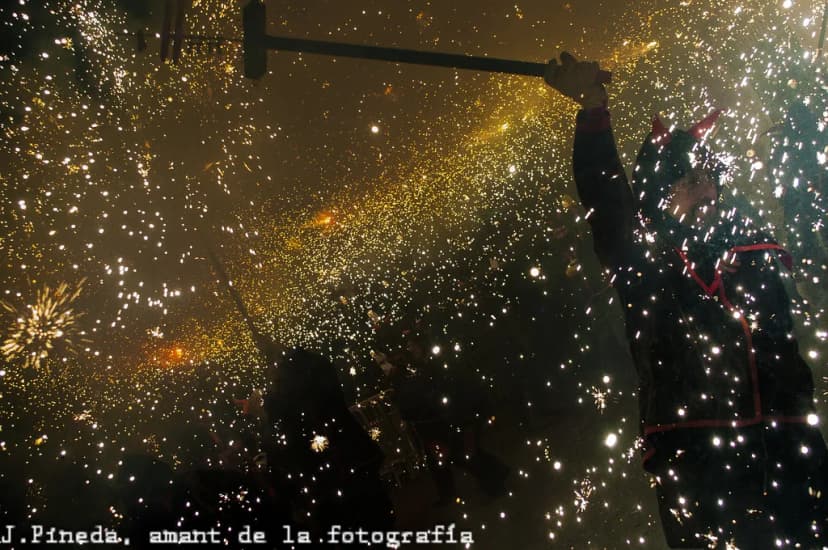
Perpignan's Festa Major de Sant Joan, often listed as the Festa Major de Perpignan or Festa Major de Perpinyà, is the city's annual celebration of its patron saint, Sant Joan (Saint John the Baptist). Held each June 23 on the eve of the saint's day, it draws thousands into the historic center around the Castillet and Allées Maillol for an evening of Catalan traditions and free concerts. A free and open-air event, the festival is one of the key free summer events in Perpignan and a standout among the broader list of festivals in France.
While often described as a celebration of Sant Joan, the festival is officially the Festa Major of the city, honoring its patron with rites that blend Catholic devotion, summer solstice symbolism, and Catalan popular culture. According to a regional event guide, the tradition of the Flame of Canigou was ignited at the Castillet in 1964 with a magnifying glass, a relatively recent ritual that has since become the emotional centerpiece of the evening. Because the festival's essence is cultural rather than purely religious, visitors of all backgrounds can join the dances, taste the local dishes, and witness the procession without any formal participation.
History and Origins of the Festival
The Festa Major in Perpignan is a centuries-old patronal festival tied to Saint John the Baptist, but the flame ritual that now defines it dates only to 1964. That year, Joseph Deloncle and Jean Iglésis lit a bonfire at the Castillet using a magnifying glass, which then led to the creation of the Canigou Flame, a tradition that spread across Catalan villages. All year long the flame is kept burning at the Castillet, and on the Sunday before the festival, delegations climb to the summit of Canigou mountain to renew it with a bundle of wood and carry the fresh fire back to their communities.
The flame's relay down the mountain transforms each village along the route into a gathering point, a practice that emphasizes the unity of Catalan territories on both sides of the Pyrenees. Perpignan itself switched its official festival name from Sant Joan to the modern communal form 'Festa Major de Perpignan' over time, yet the local calendar is still firmly anchored to the night of June 23. If you want to understand the deeper logistics of how the flame is carried and how bonfire events are organized, check the Sant Joan bonfire night Perpignan logistics page: it covers many practical details.
Key Traditions: Flame, Bonfires, Sardanes, Caragolades
The heart of the Festa Major is the Flama del Canigó, a flame lit at the top of the sacred mountain and relayed from village to village before making its solemn entry into Perpignan. Welcomed by the Cercle de la Flamme association, the flame is used by the mayor to light braziers at the foot of the Castillet, and then members of the Entente Spéléologique du Roussillon climb the historic tower to light the summit. That moment, accompanied by Saint John's bonfires, marks the climax of the night and carries deep symbolism of purification and the arrival of summer.
Alongside the flame, the festival celebrates more recent traditions: the festive village at Allées Maillol offers tastings of caragolades (Catalan-style snails) and shellfish, while a cobla ensemble plays for sardanes, the classic Catalan circle dance in which anyone can step in. Later, a classical concert by the Orchestre Perpignan-Catalogne at Place de la Victoire opens the evening's musical program. Also part of the rite is the ceremony of sharing bread with the shepherds of Canigou, a symbolic gesture that evokes the mountain communities who first kept the flame tradition alive.
Typical Program of the Evening
No two editions are identical, but the plan for the night usually follows a predictable arc. According to a festival listing, around 6 p.m. the festive village opens at Allées Maillol with caragolades and sardanes; around 8:45 p.m. the classical concert begins at Place de la Victoire; and at about 10 p.m. the Flame of Canigou arrives at the Castillet for the pyrotechnic illumination and lighting of the bonfires. These times are only indicative: the city and the tourist office release the precise program with performer names and procession routes only a few weeks before the event.
A regional guide reports that the 2026 edition, on Tuesday June 23, followed a slightly different sequence: the village opened at 7 p.m. at Allées Maillol, the group Els Delais played at 8:30 p.m. at Place Cayrol, the flame entered the Castillet at 10:30 p.m., and the fireworks closed the night at 11:30 p.m. If you attend, expect the center of Perpignan to fill with families, couples, and groups of friends, and keep in mind that the best place to see the fireworks is along the quais or near the Castillet itself. Since the published program changes, always verify the schedule on the official municipal websites.
Where It Takes Place: Castillet, Allées Maillol, Place de la Victoire
The festivities are concentrated in the historic heart of Perpignan, within walking distance of the main sights. The Castillet, a red-brick medieval gate and former prison, serves as the symbolic anchor, and the Allées Maillol, a wide promenade just south of it, is where the festive village sets up its stalls. Place de la Victoire, a smaller square nearby, hosts the classical concert, while other streets and squares can be used for overflow crowds during the fireworks.
Practical Information: Getting There and Getting Around
Perpignan is accessible by car via the A9 motorway, and parking is available at the Castillet, Wilson, and Clemenceau city-center lots, though these fill quickly on festival night. The main train station is served by TGV and regional trains: Paris is about 5 hours away, Montpellier 1 hour 40 minutes, and Barcelona 1 hour 30 minutes, as noted in a festival guide. If you are driving, consider arriving early or parking outside the immediate center and walking the short distance to the festival area.
For visitors combining the festival with a wider trip, Les Estivales de Perpignan runs through the summer and offers a different cultural experience, while Sant Vicens, a nearby arts center, also hosts year-round events and exhibitions. You can check their dates program for details. These can complement a long weekend stay in the city, but the Festa Major itself is a one-night event only. Always confirm your transport and accommodation plans ahead, because June 23 is a peak night for both locals and visitors.
Tips for Attending the Festival
Arrive early to secure a good view of the flame's entry and the fireworks: the area around the Castillet gets crowded, and the best sightlines go quickly. Dress for a mild Mediterranean evening but bring a light layer, as the night can cool down after sunset, and wear comfortable shoes for standing and walking between venues. Since the festival is free and open-air, you can dip in and out, but the main events run from the late afternoon until well past midnight.
For families, the festive village at Allées Maillol is the most accessible zone, with food stalls and space for children to move around, but be aware that the crowds around the Castillet during the fireworks can be intense. If you have mobility concerns, note that some areas, especially around the old town, are cobbled and uneven. Consider contacting the Perpignan tourism office before your trip if you need specific accessibility information or want to confirm the exact locations of the various stage areas.
Plan Your Visit
The Festa Major de Sant Joan in Perpignan is a one-night immersion into Catalan culture, free and open to everyone. Its mix of ancient and recent traditions, from the communal flame relay to the modern pyrotechnic display, makes it a memorable summer solstice event in southern France. Plan your dates around June 23, and always check the official city and tourism office announcements closer to the event to get the precise schedule and any changes.
Combine your trip with other Perpignan festivals or a visit to the region's beaches and mountains. For more information on the broader festival scene and what else to see in the area, explore the official visitor resources and our other guides.
Related festival guides
Frequently Asked Questions
What is the Festa Major de Sant Joan?
It is Perpignan's patronal festival honoring Saint John the Baptist, celebrated on June 23 with Catalan traditions including the Flame of Canigou, bonfires, sardanes, concerts, and fireworks. It is also known as the Festa Major de Perpignan.
When is the Festa Major de Sant Joan in Perpignan?
The festival is held every year on June 23. For example, the 2026 edition took place on Tuesday, June 23, 2026. Dates for future editions are announced by the city, usually a year in advance, so check the official municipal website.
Where does the Festa Major take place?
The main events are centered around the Castillet, Allées Maillol, and Place de la Victoire in the historic center of Perpignan.
How much does it cost to attend?
The festival is free of charge: access to the festive village, concerts, and the fireworks show is open to everyone. No tickets are required.
What traditions are part of the celebration?
Key traditions include the arrival of the Flame of Canigou, lighting of Saint John's bonfires, sardanes dances, and tasting of caragolades (Catalan snails). The sharing of bread with the shepherds of Canigou also takes place.
How to get to Perpignan for the festival?
Perpignan is accessible by car via the A9 motorway and by train with TGV service from Paris (about 5 hours), Montpellier (1h40), and Barcelona (1h30). Parking is available at Castillet, Wilson, and Clemenceau lots in the city center.