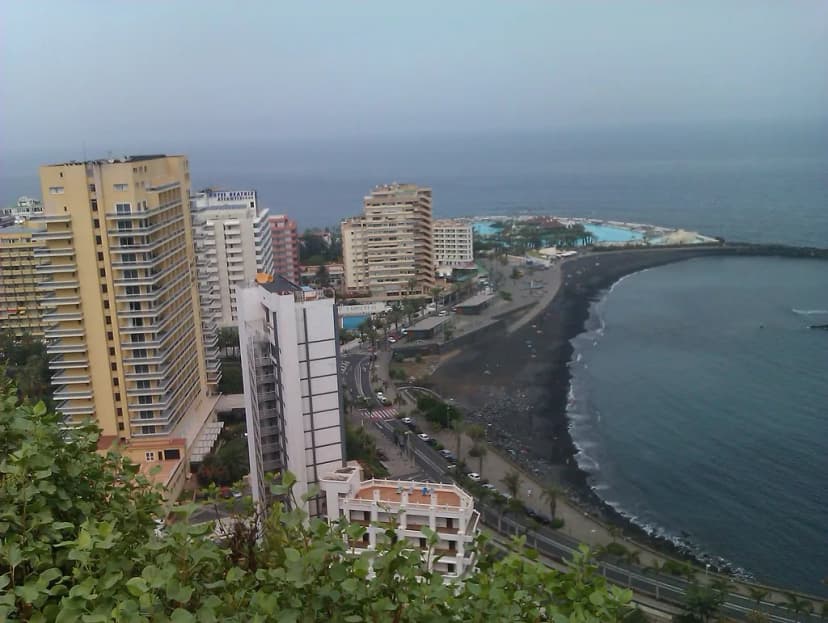
Each mid-July, the coastal town of Puerto de la Cruz on Tenerife celebrates its patron saint of the sea with the Virgen del Carmen procession. The event blends Catholic devotion with a deep fishing heritage, drawing residents and visitors to the harbor area for a day of faith and festivity.
What makes this celebration distinctive is its maritime-terrestrial format: the statue of Our Lady of Carmen is first carried through the streets, then taken onto a boat and paraded across the harbor. This guide covers what to expect, where to watch, and how to experience the event respectfully.
What Is the Virgen del Carmen Procession?
The Virgen del Carmen is the patron saint of fishermen and sailors, and her midsummer feast has been observed in Spanish coastal communities for centuries. In Puerto de la Cruz, the celebration takes the form of a maritime-terrestrial procession, reflecting the town's close bond with the Atlantic.
During the event, the statue of Our Lady of Carmen is carried on the shoulders of devotees through the streets before being transferred to a waiting vessel in the harbor. One local source describes this as the "Embarkation of the Virgin of Carmel," which captures the moment the image sets sail for a short but symbolic sea journey.
When Does It Happen? Dates and Timing
The feast of the Virgen del Carmen is traditionally held on July 16, but in Puerto de la Cruz, the maritime procession is often scheduled on a nearby date to better suit the town's calendar. Available sources mention July 14 and July 15 in different years, so the exact day can shift slightly from year to year.
For example, an official Tenerife tourism page lists the embarkation on July 14 for its 2026 edition, while another event listing points to July 15. Rather than focusing on a single calendar date, plan for the middle of July and verify the precise day through official channels closer to your visit.
Where Does It Take Place? Route and Neighborhoods
The procession occurs in Puerto de la Cruz, a historic port town on the northern coast of Tenerife. The route typically winds through the older streets near the church and then moves toward the harbor, where the maritime part begins.
One event description calls it the "Maritime-Terrestrial Procession of El Carmen and San Telmo," noting that it is one of the most anticipated events in the town. San Telmo is the patron saint of sailors and is often invoked alongside the Virgen del Carmen in Spanish fishing communities, but details of the exact street route are not available in the sources reviewed.
The Boat Parade in the Harbor: How It Works
The distinctive feature of this celebration is the embarkation: after the land procession, the statue is loaded onto a fishing boat or a decorated vessel, and a flotilla of boats follows as it moves across the water. This tradition honors the Virgin's protection over those who work at sea and gives attendees a chance to see the image from a completely different perspective.
Spectators gather along the harbor walls, and many boat owners take part, decorating their vessels with flags and banners. The scene is both religious and festive, with music echoing across the water as the flotilla makes its way along the coast. Watching from the shore allows you to see the entire aerial view of the colorful boats in formation.
Best Spots to Watch From Land and Sea
For a clear view of the embarkation and the boat parade, the busy areas around Puerto de la Cruz's harbor are the most practical places. You do not need a ticket, as the event unfolds in public spaces, but arriving early is essential to secure a good position, especially along the narrow quays.
If you have access to a boat or can book a spot on a local excursion, anchoring near the procession's route on the water offers an intimate view. However, always follow the instructions of harbor authorities to maintain safe distances and avoid obstructing the official flotilla.
Other Celebrations and Related Festivities
The Virgen del Carmen feast in Puerto de la Cruz is inscribed within a broader program of summer celebrations in the town. Around the same period, you may encounter street music, traditional dances, and food stalls, but the sources do not detail specific accompanying events, so it is best to check the local agenda when planning your trip.
To find the wider context of the festival season, consider reading the guide to festivals in Spain, which covers similar events across the country, from Las Fallas to smaller coastal feasts.
Tips for Visitors: Getting There, What to Bring
Puerto de la Cruz is easily reached from the north of Tenerife: the main bus station is within walking distance of the historic center, and the town is a common stop on the island's north tour. If you plan to watch the procession, consider using public transport or parking outside the crowded areas and walking in.
Because the event is outdoors and often held on a sunny July day, bring sun protection, water, and comfortable shoes for standing. If you are arriving by foot, be mindful that crowds can be dense in the afternoon and that some streets around the harbor may be closed to vehicles.
Respecting Local Customs and Etiquette
The procession is a religious ceremony for many participants, not only a tourist attraction. Keep conversations low as the statue passes, and avoid blocking the path of the carriers, who perform their task with serious devotion.
Photography is generally welcome, but use your flash sparingly and never impede the procession to take a picture. When in doubt, follow the lead of locals and respect any signs or instructions from the organizers.
Plan Your Visit
Witnessing the Virgen del Carmen procession in Puerto de la Cruz is a journey into the spiritual and maritime heart of this Tenerife town. Between the street procession and the boat parade, you will see a living tradition that has accompanied fishermen for generations.
To make the most of your trip, confirm the exact date and program on the official tourism websites closer to your travel time; they publish the most accurate updates. Then, arrive early, find a spot with a clear view of the harbor, and experience a celebration that is both local and universal.
Frequently Asked Questions
What is the Virgen del Carmen procession?
The Virgen del Carmen procession is a Catholic celebration honoring the patron saint of fishermen and sailors. In Puerto de la Cruz, it takes the form of a maritime-terrestrial procession: the statue of the Virgin is carried through the streets and then embarked on a boat for a short sea journey in the harbor.
When does the Virgen del Carmen procession take place in Puerto de la Cruz?
The procession is held around mid-July, typically on July 14 or 15 in recent years. The exact date can vary, so it is recommended to check official event listings closer to your visit.
Where does the Virgen del Carmen procession happen?
The procession takes place in the historic town of Puerto de la Cruz, located on the northern coast of Tenerife, Spain. The route includes the streets near the church and the harbor area, where the boat parade begins.
Why is the Virgen del Carmen celebrated?
The Virgen del Carmen is the patron saint of fishermen and sailors. Her feast day, celebrated on July 16, honors the Virgin's protection over those who work at sea, a tribute to the community's maritime heritage.