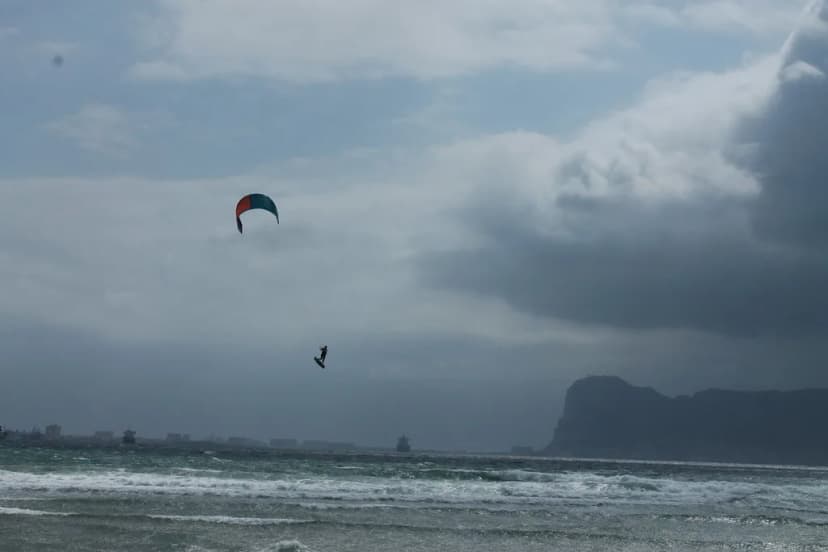
Tarifa sits at the southern tip of Spain, where the Atlantic meets the Mediterranean, and its reliable winds have made it a magnet for kiteboarders and windsurfers. With more than 300 windy days a year, it is often called a kiteboarding mecca, yet those same winds can be strong and gusty, so safety should be your first priority. Understanding the local conditions and following proven guidelines will help you enjoy the sport while minimizing risks. For an overview of local competitions and events, you can explore Tarifa wind and kite sports events.
Before you arrive, it helps to know that the sport is generally safe when practiced with proper training and respect for the environment. Schools in Tarifa emphasize that accidents usually happen to complete beginners who skip formal instruction. Taking a certified course is the best way to build a solid foundation of skills and safety awareness.
Understanding Tarifa’s Two Winds: Levante and Poniente
Tarifa’s wind comes from two main directions: the Levante blows from the east and the Poniente from the west. According to MACkite, Levante winds are most common in summer and can gust over 45 knots, while Poniente winds are calmer and less gusty, typically blowing around 20 knots. For beginners, the Poniente is generally more forgiving, which is why spring and fall are recommended for learning.
Ozu School advises that you should always ride with onshore winds (from sea to land) when possible, as they naturally bring you back to shore in an emergency. In Tarifa, when the Levante blows offshore, a rescue boat is often used for safety. Always check the wind forecast before entering the water and understand how the wind direction affects your session.
Best Seasons for Beginners and When to Avoid
Wind in Tarifa is present year-round, but the best time for beginners is between spring and fall. Summer offers warm thermal winds but is extremely crowded, with more than a thousand kites in the air some days, and many beaches close to kiteboarding during peak season, leaving limited space. Winter brings colder, rainier weather and can be gusty, so it is best left to advanced riders.
For a balance of good wind and manageable conditions, plan your first lessons for April, May, September, or October. During these shoulder seasons, you can expect 20-25 knots on most days, which is ideal for learning. Always confirm the current season’s conditions and beach access with your chosen school before booking.
Beach Rules and Safety Zones: Playa de los Lances
Playa de los Lances is a favorite launch spot because it is an open, sandy beach free of obstacles like buildings and rocks. It is also a model for safety: according to Ozu School, the bathing and kitesurfing areas are clearly separated, thanks to the beach’s 8-kilometer length. Respecting these zones is essential, especially in summer when beaches become crowded and some areas may be closed to kiteboarding entirely.
Before you ride anywhere, check for local signs and ask your school about current access rules. Some spots with waves, like Balneario and Rio Jara, may close to kiteboarding during the summer season. Always follow posted regulations and avoid areas where kiting is prohibited to ensure everyone’s safety.
Choosing a Certified Kite School
The single most important safety decision you will make is choosing where to learn. An official, certified school will provide qualified instructors, civil liability insurance, modern safety equipment, and emergency plans that include coordination with rescue boats. They also constantly analyze wind and weather conditions and will not hesitate to cancel a lesson if they foresee danger. One example is Ozu School, which is recognized as an official nautical sports school and emphasizes safety in its teaching.
Other schools frequently praised for their professionalism include Ion Club, which MACkite recommends, and Lost Elementos, which specializes in family lessons. When researching schools, look for official recognition, insurance coverage, and instructors who are certified by a national or international body. Avoid learning from a friend who kites but lacks teaching experience—you miss out on structured progressions and proper safety briefings.
Essential Safety Techniques You Must Learn
Before you ever get on the water, your instructor should teach you two vital techniques: body drag and self-rescue, as highlighted by Ozu School. Body drag allows you to recover your board or return to land when things go wrong, while self-rescue enables you to bring your kite down safely in an emergency. These skills are not optional—they are the foundation for riding with confidence and handling unexpected situations.
In addition, you must understand the right-of-way rules and maintain a safe distance from other riders, especially when jumping or performing tricks. Always look around before starting any maneuver, and never put yourself in a position where you are exhausted or beyond your skill level. Respect the wind: if it feels too strong or gusty, it is better to sit out that session.
Gear Safety: Inspect and Maintain Your Equipment
Kiteboarding gear evolves quickly, and modern kites have advanced safety systems that can make a crucial difference in an emergency. That is why Ozu School recommends using equipment that is no more than three to four years old. Before every session, check your bar lines for wear, ensure your kite is properly inflated with no leaking seams or porous fabric, and inspect the overall condition of your gear.
Carrying a line cutter is a simple yet potentially life-saving habit. It helps you free yourself from tangled lines, and some models even include screwdrivers and a whistle to alert others in an emergency. Take a few minutes to learn how to use your safety systems—your quick release, leash, and line cutter—before you launch.
Safety Tips for Kids and Families
Kitesurfing can be a thrilling family activity, but it requires extra caution when children are involved. Most schools recommend that kids be at least 10 years old and weigh a minimum of 40 kilograms, though confidence in water and ability to follow instructions matter more than exact age. For younger children, introductory beach sessions with trainer kites are a fun way to learn wind direction and build comfort without going on the water.
When your child is ready for water lessons, choose a school that offers smaller kites, shorter lines, wave-free areas, and radio helmets so the instructor can stay in constant contact. Lighter wind days, around 10 to 18 knots, are ideal for kids. Schools like Lost Elementos specialize in family lessons and often provide wetsuits if needed, but you should still pack sunscreen, a hat, and plenty of water.
Common Mistakes and How to Avoid Them
The most common mistakes beginners make include learning from an unqualified friend, ignoring wind forecasts, and entering the water when conditions exceed their skill level. Ozu School specifically discourages learning from friends, citing the lack of insurance and structured teaching. Another frequent error is not respecting beach zoning—riding into swimming areas or closed beaches can lead to accidents and fines.
It is also important to understand that offshore winds, which blow from land to sea, require extra caution. In Tarifa, when the Levante blows, a rescue boat may be deployed because the wind can push you away from shore. If you are riding with offshore winds, ensure you have a support system in place, such as a boat or fellow riders who can help.
Planning Your Trip: What to Pack
Tarifa’s weather is variable, so layering is key. For most of the year, a 3/2 wetsuit is suitable for the water temperature, while on hot summer days an experienced rider might use a shorty, according to MACkite. Off the water, bring a jacket for cooler evenings or gusty days, and always have sunscreen, a hat, and sunglasses to protect yourself from the intense southern sun.
If you are flying to Tarifa, you will likely arrive at Jerez (1.5 hours away) or Málaga (2 hours away), and having a car is helpful for reaching different kite spots. Many schools and shops are located along the main road, so you can also easily rent gear if you prefer not to travel with your own. For accommodation, the city center offers walking-distance access to restaurants and beaches, while options outside town may put you closer to launch spots. For guidance on lodging, see our guide on where to stay in Tarifa for wind sports.
Plan Your Visit
Tarifa is an incredible place to learn kiteboarding, but respect for the wind and the ocean is non-negotiable. By understanding the local winds, choosing a certified school, and mastering essential safety techniques, you set yourself up for a rewarding and safe experience.
Before you pack your bags, check the current conditions and any seasonal beach closures directly with local tourism offices or your chosen school. Weather can change quickly, so make sure you are flexible with your plans. For a broader view of the sport, you might also want to explore Tarifa kiteboarding and windsurfing competitions and plan around festivals in Spain to make the most of your trip.
Frequently Asked Questions
Is kitesurfing safe?
Yes, kitesurfing is a safe sport when practiced with proper training, equipment, and conditions. Just like skiing or roller skating, risks are minimized when you follow safety guidelines and learn from certified instructors. The key is to take a course with a professional school that covers safety protocols and provides quality gear.
What are the dangers of kitesurfing?
The main dangers of kitesurfing include strong gusts, offshore winds, obstacles in the riding area, and collisions with other riders or swimmers. Using outdated or poorly maintained equipment can also increase risk. Proper training and constant awareness help you identify and avoid these hazards.
How do I choose a kite school in Tarifa?
Look for a school that is officially recognized and holds civil liability insurance. Instructors should be certified and experienced in teaching beginners, and the school should have modern equipment and emergency plans. Ask about their safety measures and how they manage weather conditions.
What wind conditions are best for beginners in Tarifa?
Beginners should ideally ride in onshore winds that blow from the sea toward the land, as they naturally help bring you back to shore if you get into trouble. In Tarifa, the Poniente (west) wind is calmer and less gusty, making it a better choice for learning. Lighter wind days, around 10-18 knots, are recommended for first sessions.
Are there beaches in Tarifa where kitesurfing is not allowed?
Yes, some beaches close to kiteboarding during the summer season, such as Balneario and Rio Jara, which have waves and lagoons but are restricted at times. Always check the current regulations at your chosen spot and look for signs indicating separate bathing and kitesurfing zones, as on Playa de los Lances.
What should I look for in kitesurfing gear safety?
Ensure your kite and lines are in good condition, with no wear or leaks. Use modern gear with advanced safety systems, ideally no more than three to four years old. Always carry a line cutter and know how to use your quick release and leash systems.