
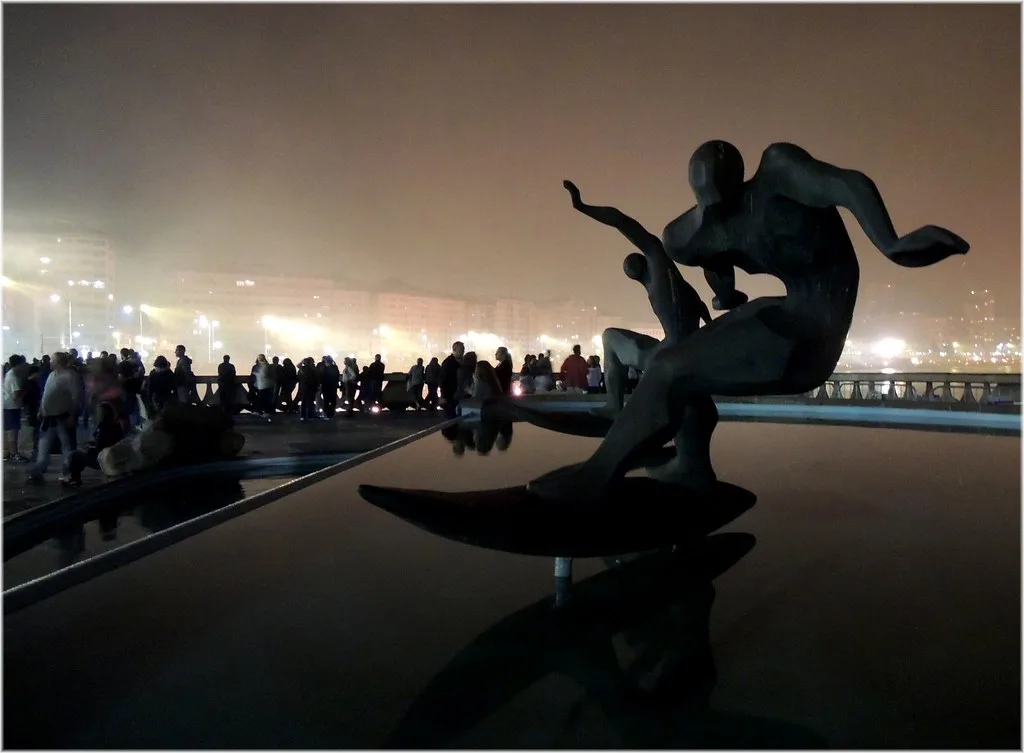
On the night of San Xoán, A Coruña turns into a giant bonfire to welcome summer. The festival, declared a Festivity of International Tourist Interest, centers on the beaches of Riazor and Orzán, where hundreds of fires light up the Atlantic coast.
For visitors, the celebration is a sensory mix of fire, sea, and sardines, rooted in ancient rituals of purification and luck. This guide covers the key dates, best places to celebrate, traditions to join, and practical tips for a safe and memorable night.
When is San Xoán? Dates and the buildup throughout June
San Xoán is celebrated on the night of 23 June, the eve of the summer solstice. In A Coruña, the festivities begin much earlier: activities start in May, and throughout June the city hosts cultural, social, and sports events, from chamber music to regional dances.
The official tourism calendar lists the bonfires on 23 June each year, with the main events on that evening. Since the date is fixed annually, you can plan your trip around it, but always check the official event website for the current year's full program.
Where to celebrate: Riazor and Orzán beaches and neighborhood parties
The most spectacular bonfires are on Riazor and Orzán beaches, where a giant bonfire is built two days ahead. At midnight on 23 June, the Meiga Maior and the Children's Meiga Maior light the Riazor bonfire, a moment that draws crowds onto the sand.
Beyond the beaches, every neighborhood fills with smaller bonfires, music, and the smell of grilling sardines. This local flavor is a key part of the experience—wander away from the tourist spots to find spontaneous parties and family-run sardiñadas.
Rituals and traditions: jumping bonfires, nine waves bath, meigas and the falla
Fire is the centerpiece: people jump over bonfires, usually an odd number of times, to attract good luck and ward off evil. At the Riazor bonfire, a papier-mâché witch—the falla—is burned, symbolizing the casting away of the year's troubles.
Water rituals are equally important. Some people bathe in the sea at Riazor beach in a purifying rite known as the bath of the nine waves, an ancient tradition especially for women hoping to conceive. At dawn, others wash their faces with water infused with wildflowers from the San Xoán bouquets sold in the city's markets.
Food of San Xoán: sardines, broa, and churrascadas
No San Xoán is complete without sardiñadas—grilled sardines served on broa, a dense cornbread that holds together and lets you eat with your hands. The city's tourist office highlights this pairing as a must-try.
Alongside sardines, you'll find churrascadas (barbecued ribs) and chorizos at neighborhood grills. For the best atmosphere, follow the smell of smoke to the beachfront bars or join a local association's open-air cookout—just ask around and be ready to share.
The processions and parades: from cabezudos to the Meiga Maior
During the day of 23 June, processions and pasacalles fill the streets with music groups, bagpipers, traditional dances, and cabezudos—large-headed figures that entertain children and adults alike. The Plaza de María Pita hosts a music festival, adding to the festive buzz.
As night approaches, the parade of the Meiga Maior and the Children's Meiga Maior makes its way to the Riazor bonfire, accompanied by their respective Meigas of honor. This procession is a highlight, blending folklore and pageantry before the midnight lighting.
Practical tips for visitors: getting there, what to bring, and staying safe
A Coruña is well connected by train, bus, and plane, with the nearest airport about 8 km from the city center. On the night of San Xoán, expect street closures and crowded transport; walking or biking to the beaches is often easiest. Book accommodation well in advance, as the festival draws large crowds.
Bring layers—the Atlantic breeze can cool the air even in June—and comfortable shoes for walking on sand and cobblestones. A flashlight helps navigate dark streets, and earplugs are wise if you plan to sleep near the party zones.
Fire safety is critical: keep a safe distance from the flames, avoid loose clothing, and never jump over a bonfire that is too high. The city authorities set regulations each year, so check the official event website or local notices for specific rules and any restrictions on beach access.
Other summer festivals in A Coruña
If you're visiting in June, you might also catch the Morriña Fest, which brings live music to the city around the same period. Additionally, the "City of A Coruña" International Folk Festival showcases traditional dance and music from around the world, usually later in the summer.
These events, though separate from San Xoán, highlight A Coruña's vibrant festival scene. For a deeper look at the region's celebrations, explore other Galician fiestas through a broader Spain festivals guide.
Frequently asked questions about San Xoán
Here are answers to common questions about the festival, based on official sources. Always verify the latest details with the city's tourism office or the event website, as schedules can change.
Plan Your Visit
San Xoán in A Coruña is an unforgettable night where fire, sea, and community come together to welcome summer. Whether you jump over flames, taste your first sardine on broa, or watch the falla burn on Riazor, the festival offers a deep dive into Galician culture.
To make the most of your trip, plan your travel around the fixed date of 23 June, book early, and check the official event website (hoguerassanjuan.com) for the latest program and any safety advice. Then join the crowds on the beach and embrace the magic of the shortest night of the year.
Frequently Asked Questions
What time are the bonfires lit in A Coruña?
Bonfires begin to light up as night falls on 23 June, but the main event is the lighting of the Riazor bonfire at midnight by the Meiga Maior and the Children's Meiga Maior. Smaller neighborhood bonfires are typically lit earlier in the evening, following local traditions.
Where to watch the fireworks?
Fireworks are launched over the bay, and the best views are from Riazor and Orzán beaches, as well as the promenade that connects them. Arrive early to secure a good spot, as the area gets extremely crowded.
Is it safe to jump over the bonfire?
Jumping over bonfires is a popular ritual, but it carries inherent risks. Official sources do not provide specific safety guidance, so use common sense: never attempt a jump over a large fire, avoid alcohol, and respect any barriers or regulations set by local authorities. Check the event website for safety notices.
What is a falla?
A falla is a papier-mâché figure, often depicting a witch (meiga), that is burned on the Riazor bonfire at midnight. Historically, it satirizes political and social events of the past year, and its burning symbolizes purification and renewal.
Is San Xoán a public holiday?
In A Coruña, 24 June (San Juan's Day) is a public holiday, as it is in many parts of Galicia. The main festivities take place on the night of 23-24 June, and many businesses and services may be closed on the 24th.
What do people eat during San Xoán?
The typical food is grilled sardines (sardiñas) served on broa, a dense cornbread. Also common are churrascadas (barbecued ribs) and chorizos, often cooked outdoors in neighborhood gatherings.


