
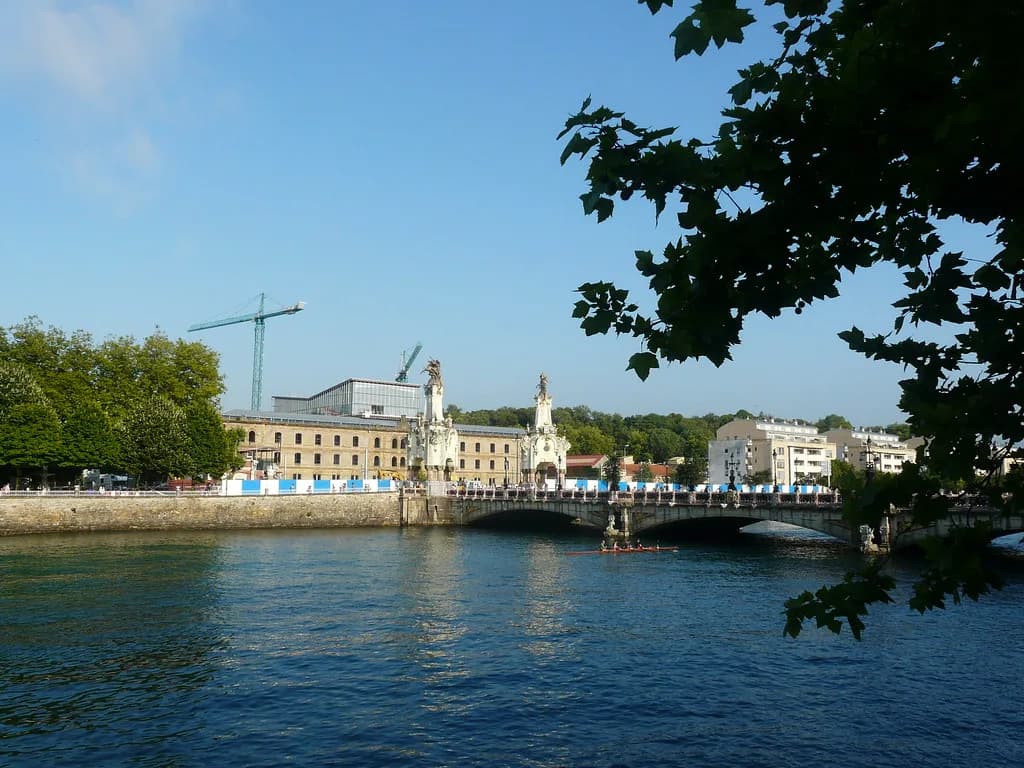
The San Sebastián International Film Festival, held each autumn in the Basque city of Donostia-San Sebastián, presents around two hundred films across multiple sections and venues. The official programme, published by the festival, is your primary tool for planning which screenings to attend. It is searchable by day, cinema, and section, allowing you to tailor your schedule to your tastes and availability.
While the festival runs for nine days, the programme only becomes fully available closer to the event, as confirmed by the festival on its programme page. Specific screening times and ticket availability are not published months in advance, so the best strategy is to check the official programme page regularly as the dates approach.
This guide explains how to interpret the different sections, navigate the search tools, and make smart choices when films overlap. It does not list screening times for any particular edition, since those are announced by the festival itself. Instead, it gives you the framework to read the programme confidently whenever it is released.
Understanding the Official Sections
The festival programme is divided into several sections, each with its own identity and competitive status. The Official Selection is the main competition for the Golden Shell and includes around twenty films from established directors. Films in this section often have their world or international premieres, making them a priority for many attendees.
New Directors showcases debut or second features and is highly regarded for discovering emerging talent. Horizontes Latinos focuses on films from Latin America, often with a contemporary and socially engaged perspective. Perlak presents a selection of the year's best films from other festivals, offering a chance to see award-winning international cinema without attending Cannes or Venice.
Other sections include Zabaltegi-Tabakalera, an experimental and innovative space; Nest for film school productions; Culinary Zinema for food-related films; and retrospectives like the 2026 José Giovanni retrospective. There are also galas, such as the RTVE and EITB galas, which are not competitive but feature high-profile screenings with red-carpet ceremonies.
Understanding which sections are competitive helps you prioritize: Official Selection and New Directors award trophies, while Horizontes Latinos has its own award. Perlak and galas are non-competitive but often draw crowds. If you want to catch the buzz-worthy premieres, focus on Official Selection and Horizontes Latinos; if you prefer hidden gems, explore New Directors or Zabaltegi-Tabakalera.
How to Search the Programme
The official programme page allows you to filter screenings by day (from the opening Friday to the closing Saturday), by cinema, and by section. You can also view the complete programme, screenings by day, or screenings by section. This flexibility lets you plan a daily itinerary that matches your interests and logistics.
Start by selecting a day you plan to attend, then filter by section if you have a preference. For example, you might check all Official Selection films on a particular day, or see what is playing at a venue like the Kursaal. The search results show screening times (to be announced) and the venue, though you may need to click on each film for details like synopsis and cast.
If you are interested in a specific film, you can also search by film title once the full programme is released. The festival often announces films in waves before the schedule is finalized, so be flexible: your top choice might screen only once, while others have multiple screenings.
Key Screening Venues
Most screenings take place at the Kursaal Congress Centre, which hosts two large auditoriums (Kursaal 1 and 2) and is the festival's main hub, including the opening and closing galas. The Victoria Eugenia Theatre, a historic venue from 1912, screens major sections and galas. Both are within walking distance in the city center, making it easy to hop between screenings.
The Principe cinema complex offers multiple screens (Principe 2, 3, 5, 6, 7, 9, 10) and hosts many Official Selection and New Directors screenings. Tabakalera, a former tobacco factory turned cultural center, serves as the venue for the Zabaltegi-Tabakalera section and other events. Additionally, the Trueba cinemas (Trueba 1 and 2) show popular titles, and the Aquarium and San Telmo Museum occasionally host screenings.
For a complete list of venues, refer to the our festival guide, which includes details on the Kursaal Congress Centre and other key locations.
Reading Screening Times and Planning Your Day
Screening times are listed on the programme page for each film, but they are not set until the festival announces them, usually a few weeks before the event. Times typically range from mid-morning (10:00–11:00) to late evening (22:00–23:00), with a few midnight screenings. Travel time between venues is short, as most are within a 15-minute walk.
When planning, account for the fact that premieres often include a red carpet and introduction, which can delay the actual start—arrive early if you want to secure a seat. Repeat screenings, often scheduled later in the festival for popular films, are usually less crowded and may be easier to attend. Check the programme for each film to see if it has multiple slots.
Make a list of must-see films and note their venues and times. Use the day filter on the programme page to create a grid of your daily options. Consider group screenings: if you are with friends, compare lists early to decide which sessions to book together.
Dealing with Overlapping Screenings
Overlaps are inevitable: with multiple sections and venues, you cannot see everything. Prioritize films that are unlikely to get a wide release or that have limited screenings, such as those in New Directors or Horizontes Latinos. Premieres in the Official Selection, while exclusive, may later be shown again or acquired for distribution.
A useful rule is to choose the world premiere over a repeat screening if you value the buzz and the chance to see a film with the cast present. However, if you miss a premiere, check if a second screening is scheduled later in the week—it often is.
Consider the length of each film: most run 90–150 minutes, allowing you to schedule back-to-back with a minimal gap. If you are torn between two films in different venues, estimate the walking time and queue time to see if you can realistically make both.
Ticket Types and How to Get In
Tickets are not yet on sale for the 2026 edition; the festival has announced that ticket sales, including for the Velodrome screenings and Culinary Zinema (film plus dinner), will open from Monday, September 7th. Prices and availability are published on the festival's ticket page, which you should consult for the most accurate details.
General tickets are sold per screening, with discounts for multi-buy passes or for certain groups such as students and seniors. There is also a daily pass for the Velodrome screenings (Movies for kids) and special packages for Culinary Zinema, which include a meal. Accreditation, available for industry professionals, provides access to press and market screenings, but it is separate from public tickets.
To secure popular screenings, buy tickets as soon as they go on sale, either online or at festival box offices. Official channels are the festival website and Ticketmaster (for some events). Ignore unofficial resellers, as tickets are non-transferable in many cases. For detailed guidance on types, prices, and the purchase process, see our dedicated ticket guide.
Special Screenings and Events
Beyond the regular sections, the festival includes galas, surprise films, and award ceremonies. For example, the FIPRESCI Grand Prix winner is announced during the festival, and the film is screened. These special events are listed in the programme with dedicated sections, so check both the day and section filters to spot them.
Some screenings are free or require invitations, such as Industry events and thought-and-discussion sessions. Check the festival's official pages for registration details if you are working in the industry.
Frequently Asked Questions
When are the San Sebastián Film Festival dates? The 74th edition runs from 18 to 26 September 2026, as confirmed on the official website. Past editions have historically taken place in late September, but you should always verify with the festival.
How do I get tickets? Tickets go on sale through the festival's official ticket page, with a general sale opening around three weeks before the event. The festival sells tickets online and at venue box offices during the event. Some screenings require accreditation, which is a separate process.
What are the main sections? The main competitive sections are Official Selection (for the Golden Shell) and New Directors (for the Kutxabank-New Directors Award). Horizontes Latinos also has its own award. Perlak and Zabaltegi are non-competitive, though the latter has an award for its best film.
Where do the films screen? The main venues are the Kursaal Congress Centre, the Victoria Eugenia Theatre, the Principe cinemas, and Tabakalera. Some films also screen at the Aquarium, San Telmo Museum, and Trueba cinemas. The full list is on the programme page under 'Cinemas'.
When is the full programme published? The festival releases a list of selected films in stages from the summer, with the complete schedule of screening times typically only finalised a couple of weeks before the event starts. Official announcements on the festival website are the definitive source.
Where to Check for the Latest Updates
The official festival website is the only authoritative source for the programme, ticket sales, and any changes. Bookmark the programme page and check it regularly, as new films and screenings are added until the event begins. The festival's news section also posts announcements about galas, awards, and guest arrivals.
For broader travel planning, explore our guide to festivals in Spain to see what else coincides with your visit. And if you are curious about other events in San Sebastián, such as the Jazzaldia festival or the Quincena Musical, these have their own dedicated guides.
Remember that details like exact screening times, prices, and ticket availability are not known until the festival announces them. Always refer to official communications for the most current information, as schedules can change.
Plan Your Visit
Once the programme is published, you can assemble a schedule tailored to your taste, whether you crave the prestige of the Official Selection or the discovery of new voices in New Directors. Use the filters to build a day-by-day route, leave room for travel, and be ready to adjust when surprises pop up.
For more planning essentials, visit our comprehensive San Sebastián International Film Festival guide, and check out our ticket and red carpet guides to round out your trip. See you in Donostia!
Frequently Asked Questions
When is the San Sebastian International Film Festival held?
The 74th edition is scheduled for 18–26 September 2026. Typically, the festival runs for nine days in late September, but dates can vary each year. Always check the official website for the confirmed dates of the current or upcoming edition.
How do I get tickets for the San Sebastian Film Festival?
Tickets are sold through the festival's official ticket page, on sale typically a few weeks before the event. Some screenings require accreditation, which is a separate process for industry professionals. Check the festival's website for exact on-sale dates and prices.
What are the main competitive sections of the festival?
The Official Selection competes for the Golden Shell, and New Directors offers awards for debut and second features. Horizontes Latinos also has a competitive award for Latin American cinema. Perlak and Zabaltegi are not competitive, though the latter has its own prize.
Where do the films screen during the festival?
The main venues are the Kursaal Congress Centre, the Victoria Eugenia Theatre, the Principe cinemas, and Tabakalera. Some screenings also occur at the Trueba cinemas, the Aquarium, and the San Telmo Museum. The programme page lists venues for each screening.
When is the San Sebastian Film Festival programme schedule released?
The festival announces selected films over the summer, but the full schedule with screening times is typically published closer to the event, often a few weeks in advance. The official programme page is updated progressively, so check it periodically.


