The Romería de San Benito Abad is a deeply rooted festival held in San Cristóbal de La Laguna, a city in Tenerife, Canary Islands. It is declared of national tourist interest and is considered the most emblematic pilgrimage of its kind in the Canaries. The event is a vibrant celebration of rural traditions, with participants donning traditional attire, singing folk songs, and sharing regional gastronomy.
Held in July, typically on the second Sunday, the festival attracts both locals and visitors who come to experience its unique atmosphere. This guide covers the festival's history, the main events, practical travel tips, and how to stay informed about official dates and programming.
When Is the Romería de San Benito Abad?
The Romería de San Benito Abad takes place in July, usually on the second Sunday of the month. This timing aligns with the summer harvest, reflecting the festival's origins as a thanksgiving to the saint. Exact dates for future editions are announced by the city council, so it's wise to check official sources closer to the time.
Keep in mind that the date can shift depending on municipal programming. For instance, an upcoming edition is scheduled for 11 July 2027. For the most accurate and up-to-date information, consult the official tourism website of Tenerife or contact the La Laguna city council directly.
History and Significance
The pilgrimage's origins date back to a ceremony of thanks by farmers to San Benito Abad for the summer harvest. Over the centuries, it has evolved into one of the most traditional and deep-rooted festivals of the Canary Islands. Its significance is recognized nationally, having been declared a festival of national tourist interest.
As an urban festival rather than a purely rural one, it brings the countryside into the city center, creating a unique blend of traditions. This evolution has made it a key cultural event for the region, attracting visitors who want to experience authentic Canarian culture.
What to Expect on the Day
The main event is a grand procession featuring seven young women, each dressed in the traditional costume of one of the seven Canary Islands, carrying flowers and fruit as offerings. They are accompanied by floats, rondallas and parrandas (folk music and dance groups), and livestock, all parading through the streets.
The atmosphere is lively, with traditional music, dancing, and the distribution of food among attendees. Wagons and street musicians join the celebration, and local gastronomy takes center stage, offering a taste of Canarian flavors. The day is filled with color, sound, and communal spirit.
Pre-Festival Activities
In the days leading up to the pilgrimage, a range of traditional activities take place. These include the election of the Pilgrimage Queen in junior and senior categories, the "Copla" (traditional ballad) Festival, the Wizards' Dance, and the 7 Islands Festival. Each of these events adds to the festive atmosphere and honours different aspects of Canarian culture.
These pre-festival events are excellent opportunities to experience the local culture before the main procession. They often feature performances, competitions, and community gatherings, setting the stage for the grand finale.
Competitions and Prizes
The Fiestas Committee awards prizes for the best-decorated balconies, windows, and floats, which are adorned with typical objects and allegories related to the countryside. This encourages residents and participants to get creative and contribute to the visual spectacle.
Additionally, there is a competition for Canary Island popular songs, and wearing traditional dress is encouraged. These competitions are designed to promote and preserve Canarian traditions, making the festival a living showcase of cultural heritage.
Getting to La Laguna and Getting Around
La Laguna is a city in Tenerife, easily accessible by public transport from other parts of the island. If you're traveling from the south, you can take a bus or drive; parking may be limited during the festival, so consider using public transport or arriving early.
For specific transport updates and routes, check the official Tenerife tourism website or local transport authorities. Since traffic and parking arrangements can change, it's best to plan ahead and consider alternative options like taxis or ride-sharing services.
Practical Tips for Visitors
Wear comfortable clothing and shoes as you'll likely be on your feet for hours. July in Tenerife is warm and sunny, so bring sunscreen, a hat, and water to stay hydrated. Even though it's a daytime event, evenings can be cooler, so a light jacket might come in handy.
Respect local customs by dressing modestly, especially during religious aspects of the festival. Don't be shy to participate in the singing and dancing, as locals are welcoming. Try the traditional food distributed during the event for a genuine taste of Canarian cuisine.
Exploring La Laguna and Nearby Attractions
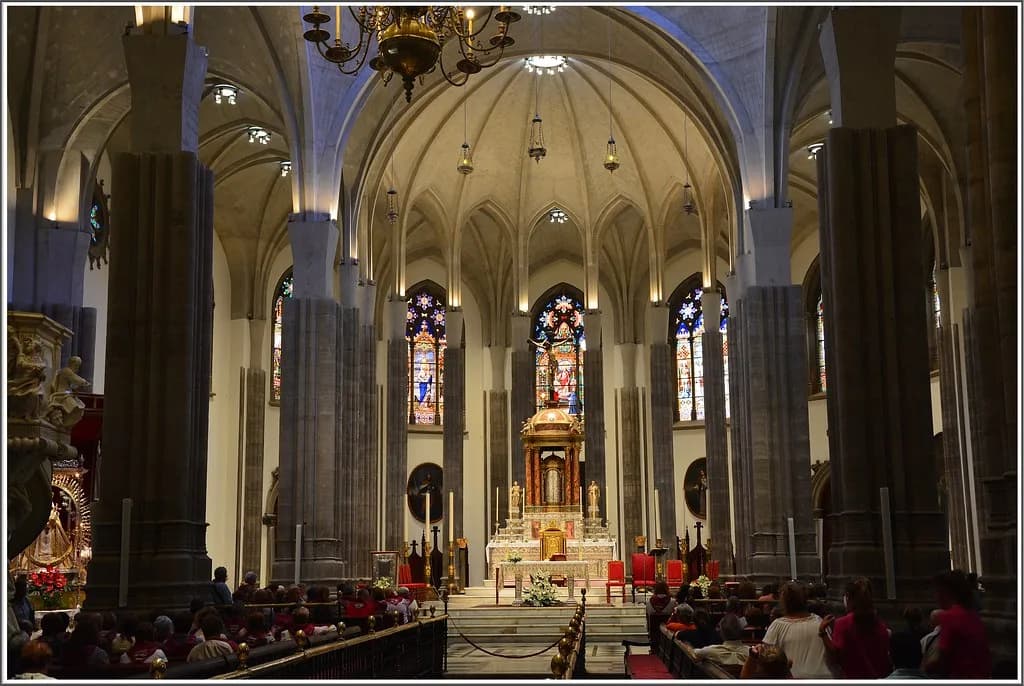
La Laguna itself is a UNESCO World Heritage Site, known for its historic center and beautiful architecture. Take time to explore its streets, visit the Cathedral, and enjoy the local atmosphere beyond the festival grounds.
If you’re interested in other local festivals, consider the Fiestas del Cristo de La Laguna held in September. For a broader view of festivals in Spain, check out our guide. La Laguna also celebrates religious events like Semana Santa and Corpus Christi in La Laguna.
Staying Updated
To get the most current information about the Romería, including confirmed dates and programming, consult official sources. The La Laguna city council website and the Tenerife tourism portal are reliable starting points. They will publish details as the event approaches.
You can also contact the municipal archive for historical information at archivomunicipal@aytolalaguna.es or call +34 922 601 184. For updates in English, check the Web Tenerife pilgrimage page for details. Always verify dates before making travel plans.
Plan Your Visit
The Romería de San Benito Abad is a spectacular display of Canarian tradition that should not be missed. Whether you're drawn by the colorful procession, the music, or the local food, it's an experience that offers a genuine glimpse into the island's culture.
Remember to check official channels for the exact schedule and any changes. With a little planning, you can fully enjoy this vibrant festival and make your trip to La Laguna unforgettable.
Frequently Asked Questions
What is the Romería de San Benito Abad?
The Romería de San Benito Abad is a traditional pilgrimage and festival held in San Cristóbal de La Laguna, Tenerife. It is declared of national tourist interest and is one of the most emblematic pilgrimages in the Canary Islands. The event features a procession with participants in traditional dress, floats, folk music, and offerings of flowers and fruit.
When is the Romería de San Benito Abad celebrated?
The Romería de San Benito Abad is typically held in July, usually on the second Sunday of the month. The exact date can vary, so it is recommended to check official sources such as the La Laguna city council or the Tenerife tourism website for the most current information.
What activities take place during the Romería?
The main activity is the grand procession featuring seven young women in traditional island costumes, floats, music groups, and livestock. There are also competitions for decorated balconies, windows, and floats, as well as a Canary songs contest. Prior to the main day, events include the election of the Pilgrimage Queen, the Copla Festival, and the Wizards' Dance.
How do I get to La Laguna for the Romería?
La Laguna is accessible by public transport from various parts of Tenerife, including buses and taxis. Parking may be limited during the festival, so using public transport is recommended. For specific routes and updates, check the official Tenerife tourism website or local transport information.
What should I know before attending the Romería?
Wear comfortable clothing and shoes, and bring sun protection as the event is held in July. Respect local customs, such as dressing modestly, and be open to joining in the singing and dancing. Also, verify the exact dates through official channels before making travel plans.