
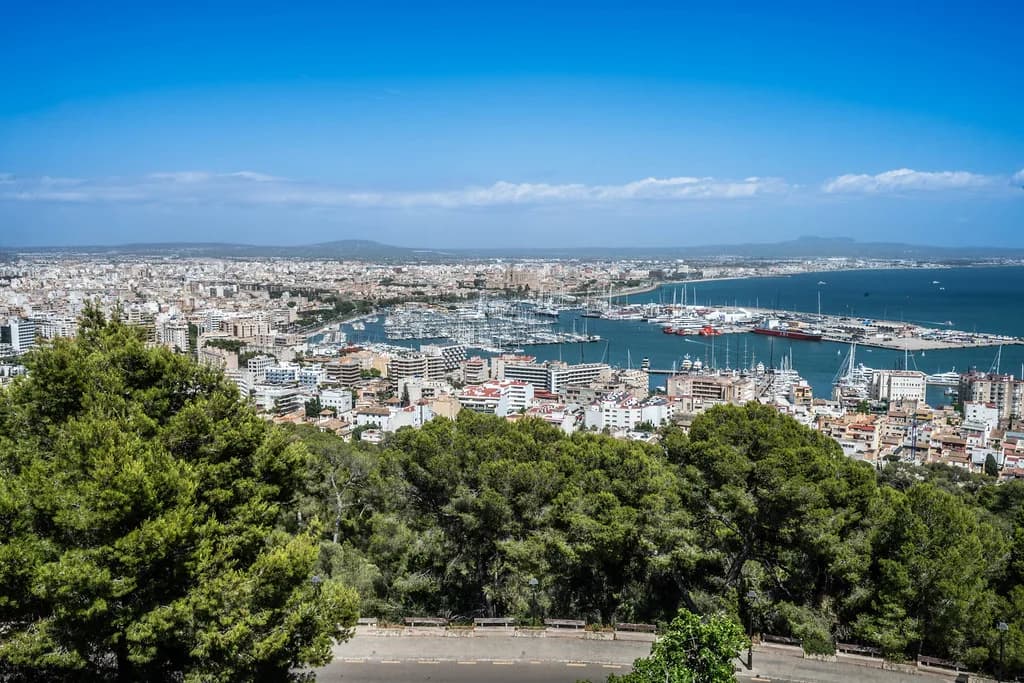
The Nit de Foc, or 'Night of Fire,' is one of the most thrilling nights on Mallorca's calendar. On the eve of Sant Joan (Saint John the Baptist), the city of Palma de Mallorca erupts with bonfires, fireworks, and the famous correfoc, where 'demons' run through the streets with firecrackers and torches. Celebrated on 23 June, the night is rooted in ancient solstice traditions but has evolved into a modern street party.
While many towns across the island hold their own celebrations, the main event in Palma takes place in the Parc de la Mar, right next to the cathedral and the sea. Expect a mix of folk tradition, live music, and fire, drawing locals and visitors alike. If you are planning a trip around 23 June, this guide explains what to expect, where to watch, and how to stay safe while enjoying the festivities.
When and Where Does Palma Celebrate Nit de Foc?
The Nit de Foc traditionally takes place on the evening of 23 June, the eve of Sant Joan. In Palma, the central celebration is held in the Parc de la Mar, a park located between the cathedral and the sea. According to event listings, the main action includes a correfoc (fire run) from around 22:30 and a concert at midnight, though exact times and performers can vary from year to year.
For up-to-date details on timings and the program, check the official Palma tourism website or the event listing on SeeMallorca. Since arrangements can change annually, always verify before you go. The event is generally free to attend, but confirm through official channels, as this can vary.
The Origins: From Pagan Solstice to Sant Joan
The Nit de Foc is believed to have Christianized a pagan ritual welcoming the summer solstice. Traditionally, the eve of Sant Joan was celebrated across Catalonia and other parts of Europe by lighting large bonfires kept burning throughout the night, giving light and warmth to the gathering. As one local guide notes, the festival 'is understood to be a Christian adoption of the pagan ritual welcoming the arrival of the summer solstice.'
Over time, these bonfires evolved into the elaborate fire performances seen today, blending pagan symbolism with Christian feast day celebrations. The bonfire itself remains central, lit in a ceremony that often kicks off the evening's events.
The Correfoc: Demons, Fire, and Drums
The highlight of the Nit de Foc is the correfoc, a fire run where performers dressed as demons dance through the streets, swinging burning torches and setting off firecrackers. To the beat of drums and flutes, these 'demons' circulate amongst the crowd, creating a spectacle that is both exhilarating and intense. The correfoc in Palma typically snakes through the area around the Parc de la Mar, culminating in the lighting of bonfires.
Many events also include a children's correfoc earlier in the evening, allowing younger attendees to experience a tamer version of the fire run. This family-friendly activity is often followed by traditional dances and live music. For those who want to witness the full-throttle night-time correfoc, securing a spot near the barriers is recommended, but keep your distance for safety.
Bonfires on the Beach: Playa de Palma Traditions
While the organized celebration takes place in the city centre, a more informal tradition unfolds along the beaches of Playa de Palma. Friends and families gather to set up their own bonfires, share picnics, and enjoy the longest day of the year. This beachside ritual offers a more relaxed way to mark the night, often stretching into the early hours. If you plan to join, remember to respect the environment and check local regulations, as open fires on beaches may be subject to restrictions.
Traditional Foods and Sweets: Coca de Sant Joan
No Sant Joan celebration is complete without Coca de Sant Joan, a traditional cake made of sweet pastry and candied fruits, marzipan, or cream. Savoury versions also exist, with toppings such as bacon and pine nuts or vegetables and tuna. These treats are widely available in bakeries and supermarkets around the festival, though specific vendors and prices vary yearly. Trying a slice of coca is a tasty way to join the local tradition.
Safety Tips for Enjoying the Fire Runs
The correfoc is not for the fainthearted, and preparation is key. Event guidance recommends wearing cotton clothing, long sleeves, closed shoes, and protecting your eyes and head. Ear protection is also advisable, as the firecrackers and fireworks can be very loud. If you are attending with small children or pets, keep your distance and be mindful of the noise and flames.
The event draws large crowds, so arriving early can help you secure a safe vantage point. Be aware of potential road closures and access changes around the Parc de la Mar, and follow any instructions from stewards or local authorities. For a less intense experience, you can watch from the edges or from a higher vantage point nearby.
Getting There and Crowd Advice
Palma's city centre and the Parc de la Mar are easily accessible on foot from most central hotels, but public transport and parking can be challenging on the night of Nit de Foc. It is best to use buses or taxis and avoid driving into the centre. Check with the local transport authority for any special services or disruptions. Given the large crowds, plan your exit route in advance and arrange a meeting point in case you get separated from your group.
Other Sant Joan Celebrations on Mallorca
Many towns across Mallorca hold their own Sant Joan festivities, each with local variations. While Palma hosts the largest and most famous celebration, nearby towns like Calvià and others also feature bonfires, fire runs, and traditional music. If you prefer a more local experience, consider exploring these alternatives. For a broader view of the island's cultural calendar, check our guide to festivals in Spain, which includes many regional events.
For other Palma events, you might also be interested in the Fira del Ram Palma, a traditional fair held in the spring, or the Palma Vela regatta, a major sailing competition that takes place in the bay. Each offers a different glimpse into the city's vibrant culture.
Plan Your Visit: Practical Information
To make the most of your Nit de Foc experience, start by confirming the exact date and program for the current year. The traditional date is 23 June, but verify the schedule on the official Palma tourism website or SeeMallorca's event calendar. Remember to wear comfortable, old clothes you do not mind getting sparks on, and consider bringing earplugs.
For more on Spain's diverse festival scene, explore our guide to festivals in Spain. Whether you are a first-time visitor or a seasoned traveler, the Nit de Foc is an unforgettable way to experience Mallorcan culture at its most fiery.
Plan Your Visit
The Nit de Foc in Palma is a unique celebration that combines ancient solstice traditions with modern spectacle. From the thrilling correfoc to the communal bonfires on the beach, the night offers something for everyone, provided you come prepared and stay aware of safety guidelines. Always double-check the current year's program with official sources, as details can change annually.
Whether you join the crowds in Parc de la Mar or find a spot on the sand, this is a night that captures the spirit of Mallorca. With a little planning, you can enjoy the fire, music, and community that define the Nit de Foc.
Frequently Asked Questions
What is the Nit de Foc in Palma?
The Nit de Foc, meaning 'Night of Fire,' is a celebration held on the eve of Sant Joan (23 June) in Palma de Mallorca. It features bonfires, fire runs known as correfoc, concerts, and street parties, centered around the Parc de la Mar. The event has roots in a pagan summer solstice ritual.
Where does Palma celebrate Nit de Foc?
The main celebration takes place in the Parc de la Mar, a park between the cathedral and the sea. Beach bonfires are also common at Playa de Palma, where families and friends gather informally.
What time does the Nit de Foc start?
The Nit de Foc traditionally begins at sunset on 23 June, with the main correfoc usually starting around 22:30 and concerts at midnight. However, exact times can vary each year, so check the official event program for the current schedule.
Is the Nit de Foc suitable for children?
There are often children's correfocs earlier in the evening, which are designed for younger audiences. However, the main night-time fire run can be intense, with loud fireworks and flames. Keep children at a distance and protect their ears. Some areas may be crowded and unsuitable for very young kids.
What should I wear to the correfoc?
Wear cotton clothing with long sleeves and closed shoes. Protect your eyes and head, and consider earplugs. Avoid synthetic fabrics that can melt. It's also wise to wear old clothes, as they may get sparks or ash on them.


