Granada’s summer calendar revolves around a single pillar: the International Festival of Music and Dance, a multi-week series of concerts and performances staged in the city's most iconic monuments. For flamenco lovers, this annual gathering is a kind of pilgrimage, offering a chance to see both established names and emerging artists in settings that date back centuries. But the festival is only the centerpiece of a broader summer scene that includes intimate shows in the Albaicín and Sacromonte neighborhoods.
To plan a festival trip here, you need to think about timing, venues, and ticket strategy before you book accommodation. The official tourism site for Spain summarizes the festival’s character: it mixes large symphony orchestras, dance and ballet, and flamenco across different historic stages, drawing more than 30,000 attendees each year. Because programs change annually and are announced only a few months ahead, your best approach is to monitor the organizer’s official pages once you've set your travel window.
Why Granada in Summer: The Alhambra Setting
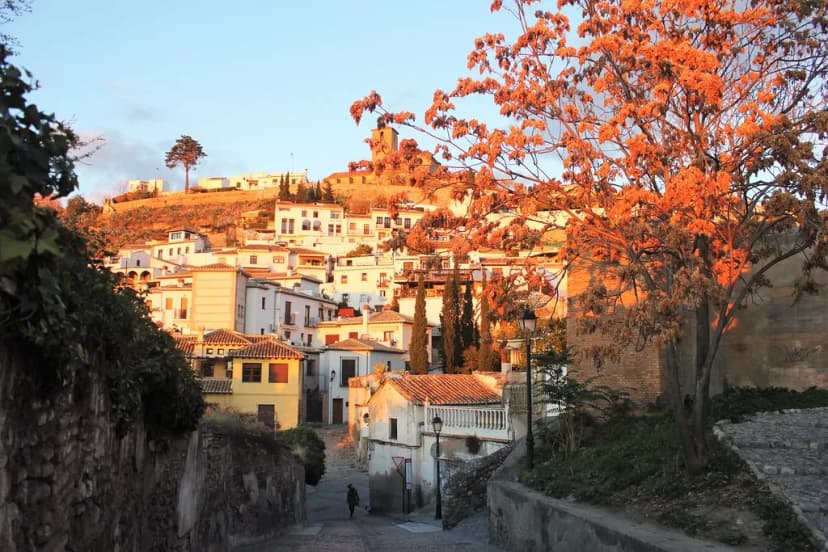
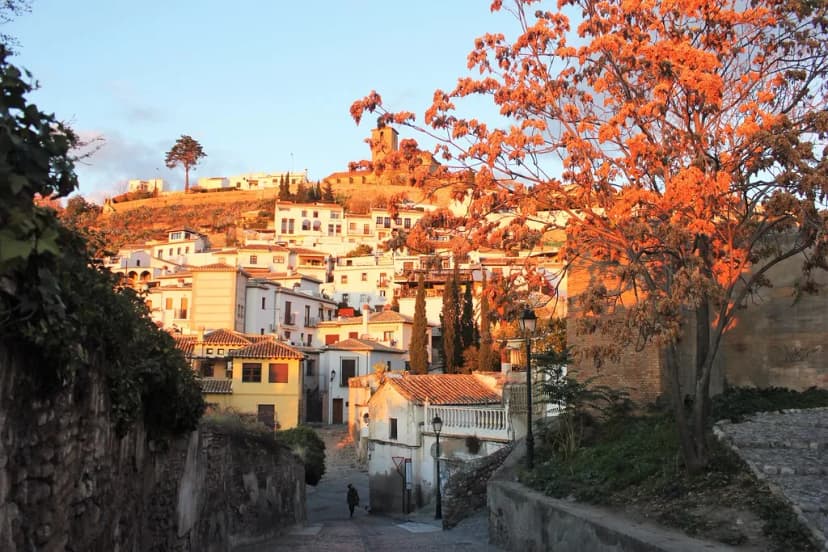
Granada's summer festival venues are part of what makes the experience unique. The Palace of Charles V, an Italian Renaissance-style building inside the Alhambra complex, hosts large symphonic concerts, while the open-air theatre in the Generalife gardens is reserved for dance and ballet performances. Smaller recitals take place in the Patio de los Arrayanes, and flamenco finds its home in the winding streets of the Albaicín and the cave dwellings of Sacromonte.
This variety of settings means you can watch a flamenco show in a neighborhood carved into the hillside, then walk through the Alhambra’s gardens to catch a classical concert under the stars. The juxtaposition of art and architecture is intentional, echoing the 1922 Cante Jondo competition that took place in the Alhambra’s Plaza de los Aljibes and drew figures like Federico García Lorca and Manuel de Falla.
Granada International Festival of Music and Dance: Overview and History
The Granada International Festival is one of Spain's longest-running cultural events, tracing its roots to symphony concerts in Charles V's Palace beginning in 1883. The 1922 Cante Jondo competition, organized by Lorca and Falla, added a distinctly flamenco layer to that classical foundation. Today the festival spans late June to mid-July, with the exact dates and program confirmed by the organizer each year.
The 74th edition, held in 2025, ran from June 19 to July 13 and featured more than 100 performances across the official program and the FEX cycle, which showcases emerging artists in unconventional spaces. The artistic director for that edition was Paul Pinamonti, and performances ranged from symphonic orchestral concerts to opera film screenings, recitals, jazz, and flamenco. Programs from previous editions are a useful guide to the scope of the festival, but you'll need to check the official website for the current year's lineup.
Flamenco Highlights at the Festival: Past Editions and Notable Artists
The 2025 program included a strong flamenco strand, with choreographer Manuel Liñán premiering 'Dead of Love,' a production that fuses copla with flamenco. Ballet Flamenco de Andalucía and Accademia del Piacere presented 'Origin,' exploring the roots of flamenco in the Golden Age, and singer Israel Fernández reinterpreted his work in 'My Piano Singing' with guitarist Diego del Morao. These details illustrate the range and ambition of festival commissions, though they should not be read as what you will see in a future edition.
The flamenco program typically unfolds in the late evening, when the courtyards and plazas become atmospheric stages. For a sense of past performers and how the festival structures its flamenco strand, look at the official program from recent editions, which is usually published in early spring. Because artists are confirmed on a rolling basis, checking the organizer's announcements is the only reliable way to know who will appear and when.
Beyond the Main Festival: Flamenco in Albaicín and Sacromonte
Outside the official festival schedule, Granada has a year-round flamenco scene centered on Sacromonte's cave venues and the Albaicín's intimate tablaos. These performances are smaller and less formal, often featuring guitar, singing, and dance from local artists. While they may not have the production values of festival shows, they offer a different kind of pilgrimage—one rooted in the neighborhoods where flamenco developed.
Several schools in the area, such as Carmen de las Cuevas, offer flamenco and Spanish courses for visitors who want to immerse themselves beyond the stage. The school, which celebrated its 40th anniversary in 2024, is one of many options for combining a festival visit with a structured learning experience. These institutions can also be a source for local recommendations, as they often collaborate with artists appearing in summer events.
Planning Your Festival Trip: Tickets, Timing, and Practical Tips
If you're planning to attend the Granada International Festival, start by setting a flexible travel window of late June to mid-July, then watch for the official dates, which are usually released in the preceding winter or spring. Programs from recent editions can give you a sense of when tickets typically go on sale, but the only reliable way to know is to consult the organizer's website for the current edition. Because many events sell out, it is wise to book as soon as you can after the on-sale date.
For those interested in flamenco beyond the main festival, the Granada Flamenco Biennial is a separate biennial event held in the city, featuring concerts, conferences, and activities centered on this art form. Because its schedule is not annual, you should verify whether it coincides with your travel dates through the Andalusia tourism portal or the organizer's announcements. Similarly, check the Granada International Festival of Music and Dance youth events, which can offer a different perspective on the music for families and younger visitors.
Other Summer Cultural Events in Granada
Beyond the main festival, Granada hosts several annual celebrations that shape the summer calendar. Corpus Christi, typically in late May or June, brings religious processions and street festivities, while Día de la Cruz in early May fills balconies with flower-decorated crosses. For a cultural trip, these events can add a local flavor, but they are not music or dance festivals.
To avoid assuming that a certain festival will be active during your visit, cross-check official tourism listings for the dates you plan to travel. The local tourism office publishes a monthly agenda of concerts, exhibitions, and neighborhood fiestas, which is a reliable way to discover smaller events like summer jazz nights or open-air cinema. Be cautious with third-party listings that may not have current information.
How to Choose Between Granada and Seville for Flamenco
Both Granada and Seville have thriving flamenco scenes, but they differ in style and setting. Granada is known for its Zambra, a style with clear Moorish influences that emerged in the Sacromonte caves, while Seville is a hub for the dramatic, guitar-driven flamenco often associated with the April Fair and its many peñas. If you're drawn to intimate cave settings and a less commercial atmosphere, Granada might be your first choice.
Seville's flamenco is more visible and tourist-facing, with dedicated tablaos in the Santa Cruz neighborhood and major festivals such as the Bienal de Flamenco, held every two years. Granada's summer scene, by contrast, is tied to the architecture and the pilgrimage-like visits to the Alhambra and Sacromonte. Decide based on the kind of experience you want for your trip.
Plan Your Visit
Granada's summer festivals are a true pilgrimage for music and dance fans. The International Festival of Music and Dance is the main draw, combining world-class performances with the unique backdrop of the Alhambra. To assemble your itinerary, start by confirming the festival dates on the official website, then explore the neighborhoods where you can experience flamenco in its authentic context.
For practical advice on combining your festival visit with other cultural events, check our guide to festivals in Spain and local guides to Corpus Christi and Día de la Cruz. With careful planning, you can design a summer trip that balances staged performances with the spontaneous music of the streets.
Frequently Asked Questions
Which is the best flamenco show in Granada?
The best flamenco show depends on your preference for authenticity versus spectacle. Sacromonte's cave venues offer a traditional zambra in an atmospheric setting, while the International Festival of Music and Dance presents larger, stage-produced shows by renowned choreographers. For a personalized recommendation, ask at your hotel or a local flamenco school such as Carmen de las Cuevas, which can point you to performances that match your taste.
What are some of the major festivals in Granada, Spain?
The most significant is the Granada International Festival of Music and Dance, which runs for several weeks in June and July. The Granada Flamenco Biennial is another major event, held every two years and focusing entirely on flamenco. Granada also celebrates Corpus Christi and Día de la Cruz with street processions and decorations.
Is 3 days in Granada too long?
Three days is a moderate amount of time to see the Alhambra, explore the Albaicín and Sacromonte, and attend a festival performance. If you plan to catch a show, you'll want at least two nights, as performances often start late. Three days allows a relaxed pace without rushing through the main sights.
Is flamenco better in Granada or Seville?
Granada offers a more intimate, cave-based flamenco experience, with a distinct Moorish flavor; Seville has a denser, more commercial flamenco culture with many venues and a major biennial festival. Which is 'better' depends on your preference for setting: Granada's Sacromonte caves are unique, while Seville's tablaos are more numerous.