Every January and February, the International Music Festival of the Canary Islands turns Las Palmas de Gran Canaria into a focal point for classical music lovers. The event, often searched for as the Gran Canaria classical music festival, draws audiences to the island's capital for performances that span multiple venues and feature leading international artists. Winter on Gran Canaria offers mild temperatures and sunny days, making it an ideal setting for combining culture with a beach getaway.
This guide explains the festival's official name, its typical timing, the main venues in Las Palmas, and how to plan a trip around the concerts. Since future editions may have different details, you will learn where to check for confirmed dates and artists, as well as practical tips on flights, accommodation, and exploring the island beyond the concert hall.
Festival Basics: Official Name, Timing, and Duration
The event commonly referred to as the Gran Canaria classical music festival is officially called the International Music Festival of the Canary Islands (Festival Internacional de Música de Canarias). It takes place each year from January to February, making it the only European festival to occur in winter, thanks to the Canary Islands' mild climate. The festival runs across the archipelago, with Gran Canaria and Tenerife hosting the main concerts, so a visit to Las Palmas gives you access to a rich program.
For the 42nd edition, held from January 8 to February 7, 2026, more than 60 concerts were scheduled across the islands. Exact dates for the 2027 edition are not yet confirmed, so travelers should check the official festival website or the Las Palmas tourism site for updates. The festival typically runs for about a month, with performances almost daily in some cities.
Venues: Alfredo Kraus Auditorium and Other City Locations
The principal venue in Las Palmas is the Alfredo Kraus Auditorium, a modern concert hall overlooking the Atlantic Ocean. Designed by the Spanish architect Óscar Tusquets, it is named after the renowned tenor from Las Palmas and is the home base for the Orquesta Filarmónica de Gran Canaria. Many festival concerts take place here, offering excellent acoustics and sea views.
While the Alfredo Kraus Auditorium is the most prominent venue, the festival also stages performances in other locations across the city, such as the Pérez Galdós Theater. The exact lineup of venues can vary each year, so check the official program for the current edition. For example, the 42nd edition included a concert on January 24, 2026, at the Alfredo Kraus Auditorium at 19:30, but future dates will be announced later.
What to Expect: Repertoire and Noted Performers
The festival program typically features a mix of symphonic concerts, chamber music, and solo recitals. In recent editions, the Orquesta Filarmónica de Gran Canaria has played a central role. For the 42nd edition, the orchestra, conducted by its chief conductor Karel Mark Chichon, paid tribute to composers Manuel de Falla and Maurice Ravel on the 150th anniversary of their births. The acclaimed cantaora Estrella Morente performed in the Falla program, blending flamenco with classical traditions.
Beyond the resident orchestra, the festival often invites international orchestras, conductors, and soloists for début performances, adding to its prestige. Because the artists and repertoire change each year, you should consult the official program once announced. The inclusion of both classical and contemporary works means there is usually something for both seasoned aficionados and first-time attendees.
Planning Your Trip: Flights and Accommodation in Las Palmas
To attend the Gran Canaria classical music festival, you will fly into Gran Canaria Airport (LPA), which is about 20 kilometers south of Las Palmas. From the airport, you can take a taxi or a bus into the city. The festival takes place in winter, but the island's subtropical climate means daytime temperatures often reach 20°C, making it a pleasant escape from colder European winters.
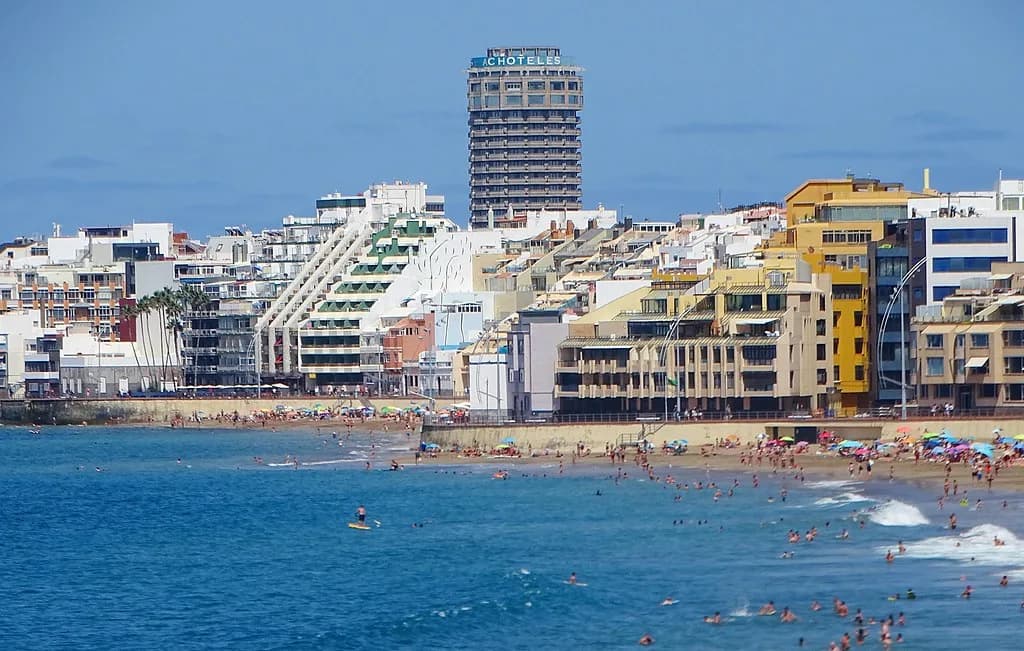
Las Palmas offers a range of accommodation, from beachfront hotels in Las Canteras to boutique guesthouses in the historic Vegueta district. Staying near the Alfredo Kraus Auditorium or the city center makes it easy to reach concerts on foot or by public transport. Since the festival occurs outside the peak summer season, you may find better rates, but it is wise to book early for popular weekends.
Ticket Tips: How to Purchase Tickets and When They Go on Sale
Tickets for the festival's subscription concerts typically go on sale in September of the year before the event, as was the case for the 42nd edition. These subscription tickets allow you to attend multiple concerts as a series, which can be more convenient if you are planning to stay for the duration of the festival. Individual concert tickets become available closer to the dates, often through the Alfredo Kraus Auditorium's website.
To purchase tickets, you should monitor the official festroam.com/spain/spain-festivals-guide and the auditorium's event page. Prices vary depending on the performance and seating category, so you should check the official channels for the current program. Popular concerts can sell out, especially those featuring international orchestras or well-known soloists, so booking early is advisable.
Beyond the Concert Hall: Nearby Attractions and Day Trips
While in Las Palmas, you can explore the historic Vegueta district, with its cathedral and colonial architecture, or relax on Las Canteras beach, just a short walk from the city center. The nearby Parque de Santa Catalina is another popular spot and occasionally hosts other cultural events, such as the WOMAD Las Palmas de Gran Canaria festival later in the year.
If you have time, consider a day trip to the north of the island, where you can visit the Guanche caves at Cenobio de Valerón or the lush valley of Arucas. For a longer excursion, take a ferry to Tenerife, which also hosts festival concerts, but note that island hopping requires some planning. The festival's schedule may include performances on other islands, so you can combine music with island exploration.
Practical Information: Local Transport, Weather, and Safety
Las Palmas has an efficient public bus network, Guaguas Municipales, which can take you to most venues, including the Alfredo Kraus Auditorium. Alternatively, taxis and ride-hailing apps are available. Renting a car may be useful for exploring the island, but parking in the city can be challenging during events, so plan ahead.
The winter weather is generally mild, with average highs around 20°C, but it can occasionally rain. Bring a light jacket or umbrella, and layers for cooler evenings. Las Palmas is a safe city, but as in any tourist destination, keep an eye on your belongings in crowded areas. Tap water is safe to drink but may taste mineral; bottled water is widely available.
Final Tips for a Memorable Visit
Attending the Gran Canaria classical music festival, officially the International Music Festival of the Canary Islands, is a unique way to enjoy world-class performances in a warm winter setting. By booking your flights and accommodation early, securing tickets when they become available, and planning extra days to explore the island, you can make the most of your trip. To compare this visit with other celebrations, use our guide to festivals in Spain.
Always verify the latest program details, dates, and ticket information directly from the official festival website or the Las Palmas tourism office. With a little planning, you can combine musical excellence with the natural beauty of Gran Canaria.
Frequently Asked Questions
What is the Gran Canaria classical music festival?
The Gran Canaria classical music festival is commonly known as the International Music Festival of the Canary Islands. It is an annual classical music event held across the Canary Islands, with significant concerts in Las Palmas de Gran Canaria at venues like the Alfredo Kraus Auditorium.
When does the festival take place?
The festival typically runs from January to February each year. For example, the 42nd edition was held from January 8 to February 7, 2026. Future editions may have slightly different dates, so it's best to check the official festival announcement for exact timing.
How can I get tickets for the festival?
Tickets for subscription concerts usually go on sale in September of the previous year. For individual concerts, tickets become available closer to the event dates. The most reliable way to purchase tickets is through the Alfredo Kraus Auditorium's official website or the festival's official site.
Where can I find the festival program?
The program is published on the official festival website and on tourism portals like LPAVisit. It typically includes details of orchestras, conductors, and soloists, as well as venue and date information. Programs for future editions are announced several months in advance.