In Catalonia, human towers called castells rise from city squares to the sound of drums and gralles, ending when a small child raises a hand from the top. The tradition is rooted in teamwork and courage, embodying the motto strength, balance, courage and seny, a Catalan expression that blends good sense with calm.
Girona is a wonderful place to see this spectacle, thanks to the local team Marrecs de Salt, the largest colla in the area. Performances happen during the city's major festivals, such as Temps de Flors each spring and Fires de Sant Narcís in autumn.
If you are new to the tradition, this guide explains the elements of a castell, what the castellers wear, and how the towers are built safely. You will also learn practical tips for finding performances in Girona, where schedules are rarely published far in advance.
What Are Castells? The Human Tower Tradition of Catalonia
Castells are constructions made by people standing on each other's shoulders, typically forming towers of six to ten levels. The tradition originated in the Camp de Tarragona area and is practiced throughout Catalonia, inspired by an old dance from the Valencian Community.
The first clubs formed in Valls in the 19th century, and today the activity attracts teams across the region. Castells have been declared Masterpieces of the Oral and Intangible Heritage of Humanity by UNESCO.
In the past, these towers were built as part of town festivals from June to October, and modern teams still perform during local celebrations from April to November. The human tower movement grew rapidly after the end of Franco's dictatorship, when it became a symbol of Catalan identity.
The Parts of a Castell: Pinya, Tronc, and Pom de Dalt
A castell has three main sections. The pinya, or base, is a dense crowd of people that gives the tower its foundation and also cushions any falls. Above that sits the tronc, the trunk made of progressively lighter and more agile castellers. Topping it off is the pom de dalt, the top of the tower, which includes the youngest members.
The pom de dalt always consists of the last three levels, with the smallest child, called the enxaneta, climbing to the very top. That child raises one arm with four fingers spread to represent the four stripes of the Catalan flag, then quickly descends.
More difficult towers may have additional support structures, known as folre, manilles, or puntals. When you watch a castell, notice how the levels are numbered from the bottom up, and that each level may have one to four people standing in it.
What Castellers Wear: Pants, Shirts, and the Faixa
Teams usually wear matching colored shirts and white pants, along with a bandana. The long sash wrapped tightly around the waist is called a faixa. It supports the lower back, prevents skin-on-skin contact, and provides footholds for climbers.
Many castellers bite down on their shirt collars, which helps keep clothing in place as others climb. Children who reach the top wear helmets for protection. The different shirt colors identify which colla a person belongs to, and on major occasions you may see several teams working together.
How Castells Are Built Safely
Castell building looks risky, but teams train carefully. The base, or pinya, acts as a safety net, cushioning any fall from the upper levels. Teams often dismantle and restart a structure if the alignment is not right, and first-aid personnel may be present at large events.
Participants practice weekly to perfect their formations and build trust in each other. They typically build from the ground up, with a captain shouting instructions. Music from timbals and gralles marks the pace and signals when each phase has begun.
The traditions have evolved, and since the 1980s women have been fully integrated, contributing lighter and stronger structures.
Girona's Local Team: Meet the Marrecs de Salt
Marrecs de Salt is the largest castellers team in Girona, based in the neighboring town of Salt. The colla welcomes members of all ages and backgrounds, with families often joining together.
Like other colles, they gather for practice and perform during local festivals. They are known for building a variety of towers in a single session, often well over a dozen in a few hours.
When and Where to See Castells in Girona
Performances are tied to Girona's festival calendar. A popular time is Temps de Flors, a flower festival held in spring, when some acts take place in the Old Town squares. Another is Fires de Sant Narcís, in late October and early November, when towers may rise on the cathedral steps.
While these events are recurring, exact dates and locations vary from year to year, and schedules are often confirmed only weeks in advance. The best approach is to check official festival programs or the local colla's announcements.
If you want more details on typical seasons, festivals that feature castells in Girona include the most prominent city celebrations. Always confirm current details with local sources before planning your trip.
Festivals Featuring Castells: Temps de Flors and Fires de Sant Narcís
Temps de Flors, held in May, turns Girona's historic center into a giant flower installation, and castells sometimes appear in the Old Town squares. A notable performance took place with the Marrecs de Salt during this festival in the past.
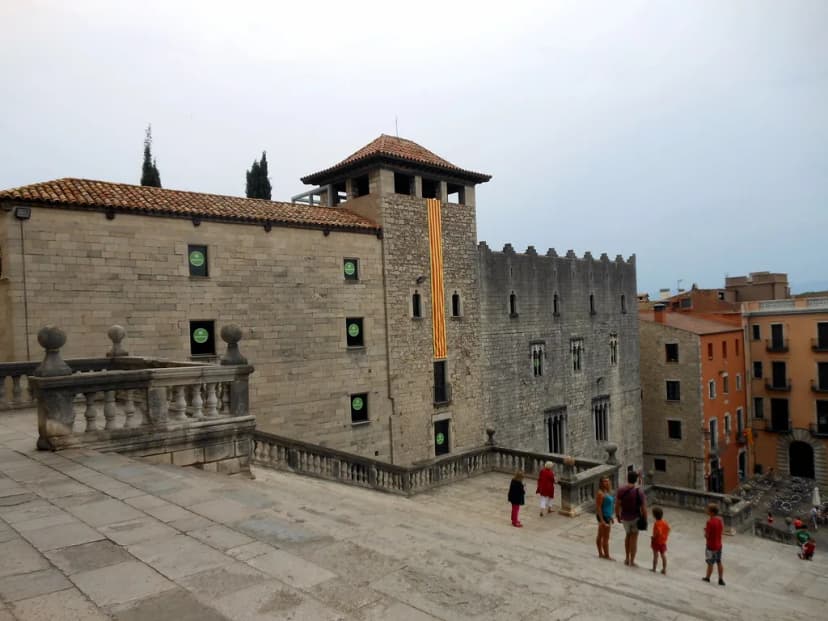
Fires de Sant Narcís, honoring the city's patron saint, typically takes place around the end of October and beginning of November. During this festival, human towers have been raised climbing the steps of the cathedral, offering a dramatic backdrop.
How to Find Schedules: Contacting Teams and Local Listings
Finding castells performances takes a little effort because schedules are rarely published far in advance. A reliable approach is to contact the colles directly via their websites or social media, asking for their calendar.
Local tourism offices and festival organizers may also post event timetables closer to the date. Checking the official Girona tourist website or the city's events calendar before your visit can help you spot last-minute additions.
What to Expect at a Performance
A castells performance is both tense and festive. The square becomes a hive of activity as the pinya forms, with people roaring instructions and the music starts to play. The tower goes up quickly, then comes down just as fast.
When the enxaneta reaches the top, the crowd often falls silent before erupting in applause. Afterward, the celebrations begin, with the whole team praising their achievement.
Tips for Visitors: Etiquette, Good Spots, and What to Bring
If you want a good view, arrive early to claim a spot near the barriers. From the pinya, participants will ask you to stay clear of the base, so follow the directions of the team members.
Bring comfortable shoes and a camera, but keep your focus on the tower. Consider participating in the pinya if invited, which offers a unique experience. Remember that these events are free to watch, but you might want to stay for a celebratory drink afterward.
Plan Your Visit
Watching castellers in Girona is a chance to witness a deeply Catalan expression of identity. With a bit of flexibility and some checking of local schedules, you can enjoy this dramatic art live.
Before you travel, check our guide to other dynamic events across the country, or see how the tradition plays out for more inspiration. A festival in Spain can be a good way to time your trip to the region's most colorful events.
For details on specific dates and locations in and near Girona, check back closer to the time of your trip, as schedules shift.
Related festival guides
Frequently Asked Questions
When can you see castellers in Girona?
Castells performances in Girona typically happen during major festivals, primarily Temps de Flors in spring and Fires de Sant Narcís in autumn. Exact dates vary each year, so it is best to check the local festival programs closer to your visit.
Is there a human tower festival in Spain?
Yes, the most famous is the Concurs de Castells in Tarragona, which takes place every two years in October. However, you can also see castells at many local festivals throughout Catalonia, including in Girona.
Where can I see human towers in Girona?
You can generally see them in central squares during festival events. Past performances have taken place in the Old Town during Temps de Flors and on the cathedral steps during Fires de Sant Narcís, but locations vary with each event.
Are castells safe?
Castell building is considered relatively safe because of careful training and the cushioning effect of the base, or pinya. Teams practice weekly and often dismantle structures if something is off, though minor incidents can occur.