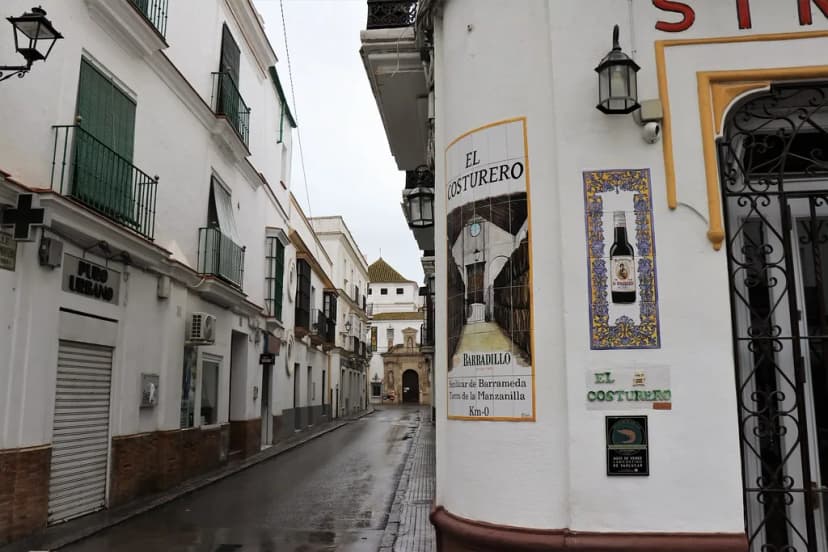
Sanlúcar de Barrameda, a coastal town in Andalusia where the Guadalquivir meets the Atlantic, proudly claims its place in one of history's greatest maritime feats. On 20 September 1519, Ferdinand Magellan's fleet set sail from this port and, three years later, the sole surviving ship returned under Juan Sebastián Elcano, completing the first circumnavigation of the world. The city's connection to the expedition is imprinted on its streets, churches, and monuments.
Sanlúcar's Role in the First Circumnavigation
Geographically positioned at the estuary of the River Guadalquivir, Sanlúcar served as the outer port for Seville, the only authorised hub for overseas voyages in the 16th century. The Dukes of Medina Sidonia, who controlled the town and acted as Captain-Generals of the Oceans and Coasts of Andalusia, prepared and dispatched fleets from its shores. This pivotal role made Sanlúcar the final departure point for Magellan's expedition and the first European landfall for Elcano's survivors in 1522.
Historical Background: Departure in 1519 and Return in 1522
On 20 September 1519, five ships and about 239 men left Sanlúcar under Magellan's command, aiming to reach the Spice Islands by a western route. The voyage faced mutiny, starvation, and the loss of Magellan himself in the Philippines before Elcano steered the Victoria home on 6 September 1522, with just 18 survivors. Their return proved the Earth's roundness and connected the Atlantic and Pacific through the strait that still bears Magellan's name.
How Anniversary Events Have Been Commemorated
The 500th anniversary in 2019 prompted a coordinated programme of commemorations, mirroring the three years the voyage took. Events spanned conferences, exhibitions on spices and maps, film screenings, and even participatory shipbuilding projects, with a focus on the "ports of departure" – Seville and Sanlúcar, as well as Tenerife and Valladolid. The programme aimed to tell the story of the expedition at home and abroad, connecting local heritage with a global narrative.
In 2019, Sanlúcar produced an online exhibition titled "Sanlúcar, 500 years later", which walked visitors through the city's historical ties to the voyage. Such initiatives show how the town keeps the memory alive between major anniversaries, though there is no published schedule for future editions. Travellers planning their visit should check the official Sanlúcar tourism channels for any upcoming commemorative activities.
Key Heritage Sites Linked to the Voyage
The Legua Cero is an equatorial clock monument marking the departure point of the expedition, featuring an iron equatorial band with Roman-numeral hour perforations and a quote from Antonio Pigafetta, the voyage's chronicler. This sculptural timepiece is a clever tribute that lets visitors align their shadow with the historical moment of departure.
The Church of Nuestra Señora de la O is the temple where the returning crew gave thanks for their safe arrival, and it holds an image of the Virgen de la Antigua, venerated as patroness of discovery. According to local tradition, sailors entrusted themselves to her before crossing the Atlantic, making this church a spiritual anchor of the voyage's story. The current church was rebuilt in the 17th century after a fire, but the site's association with the expedition remains central to its identity.
Other strongly linked sites include the Chapel of Nuestra Señora del Carmen in Bajo de Guía, which houses a 16th-century sculpture of Our Lady of Guidance, patroness of sailors, and the Church of San Jorge with its 17th-century painting "Christ of the Boat Owners". The Palace of the Guzmanes, once home of the Dukes of Medina Sidonia, controlled port operations and now stands as a heritage landmark. The legacy also lives in the Americas, where devotions originating in Sanlúcar spread to the colonies.
Practical Visitor Information
Sanlúcar de Barrameda offers year-round attractions beyond its expedition heritage, including the Doñana National Park and its famous manzanilla wines. To follow the circumnavigation trail, a good starting point is the tourist office, where you can pick up maps guiding you between the riverside monuments and historic churches. Opening hours and access conditions vary by site, so it is wise to check the official Sanlúcar tourism website before your visit.
The Enduring Legacy of the Voyage in Sanlúcar
Commemorations have evolved from simple plaques to immersive cultural projects, ensuring the first circumnavigation remains part of Sanlúcar's living fabric. While major milestone anniversaries – like the quinquecentennial – have drawn large crowds, smaller initiatives keep the story present in daily life. For any traveller interested in the age of exploration, exploring Sanlúcar's monuments offers a tangible connection to that remarkable journey and its lasting impact on global understanding.
Plan Your Visit
To explore Sanlúcar's maritime heritage, browse the official tourism resources or check upcoming event listings on the city council's site, as schedules are not always published far in advance. Pair your visit with nearby attractions such as the Doñana National Park's visitor centre, which houses a scale model of the Victoria. For a taste of local culture, time your trip to coincide with the annual Feria de la Manzanilla, a spring fair that celebrates the town's signature wine. To compare this visit with other celebrations, use our guide to festivals in Spain.
Frequently Asked Questions
What is the Legua Cero monument?
The Legua Cero is an equatorial clock in Sanlúcar de Barrameda that marks the zero point from which Magellan's expedition departed in 1519. Its iron equatorial band has holes that let sunlight tell the time, and it includes an inscription by the voyage's chronicler, Antonio Pigafetta.
Where did the crew give thanks after returning?
After the Victoria returned to Sanlúcar in 1522, the surviving crew members attended a thanksgiving service at the Church of Nuestra Señora de la O. The church is renowned for its chapel dedicated to the Virgen de la Antigua.
What is the historical significance of Sanlúcar in the expedition?
Sanlúcar served as the outport for Seville, the only legal gateway to the New World, and its geographic position at the Guadalquivir estuary made it the final departure point for Magellan in 1519 and the arrival point of Elcano in 1522.
How did the 500th anniversary commemoration take place?
The 500th anniversary in 2019 saw a three-year programme of conferences, exhibitions, film screenings, and cultural activities across Spain, with notable focus on Sanlúcar de Barrameda, Seville, and Valladolid. Sanlúcar also launched an online exhibition titled 'Sanlúcar, 500 years later'.