
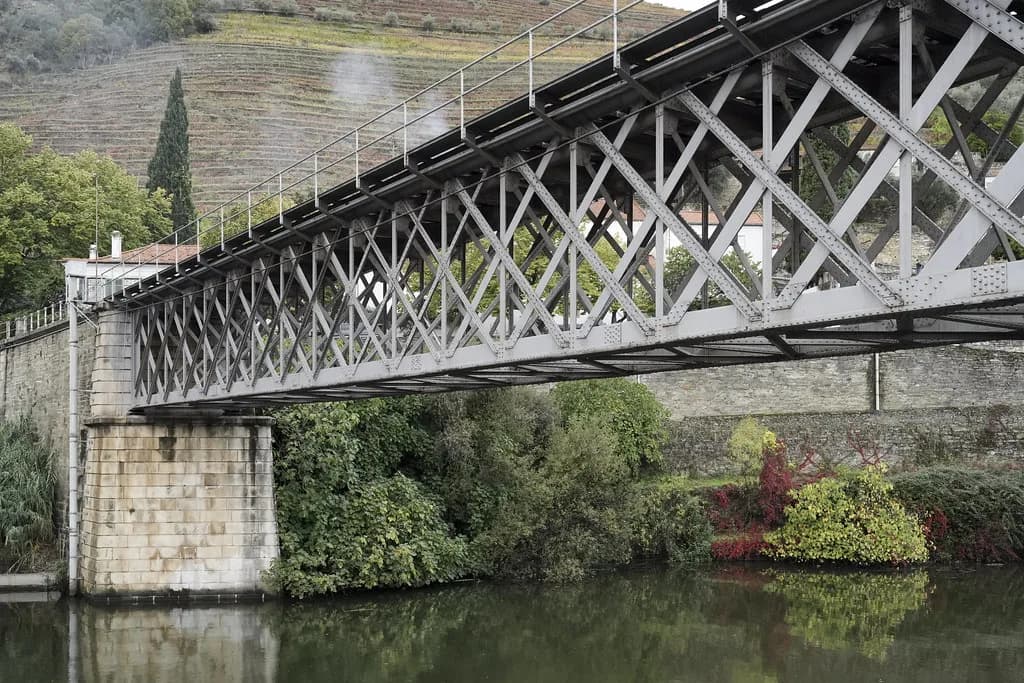
Each autumn, the terraced vineyards of Portugal's Douro Valley come alive with the vindima, the grape harvest that produces grapes for Port and Douro DOC wines. If you are planning a trip to see the vineyards in action, understanding when the harvest happens matters more than you might think, because there is no single fixed date. This guide explains the typical harvest window, the factors that shift it from year to year, and practical tips for timing your visit to Pinhão.
The harvest typically runs from mid-September to mid-October, with white grapes beginning in late August and red varieties reaching their peak in September. For visitors, the sweet spot usually falls between September 15 and October 5, when most quintas are active and the landscape is at its golden peak. However, because the start date depends on weather and grape ripeness, you cannot book a ticket for the precise day picking begins; instead, plan within a window and verify with individual estates before you go.
What Determines Harvest Timing in the Douro
The date that harvesting begins is not set by calendar but decided by winemakers walking the rows and tasting the grapes. They look for signs like color, how easily the berries detach, and the balance of sugar and acidity, known as Baumé. White grape varieties generally start first, often in late August, while red varieties need more time to develop phenolic maturity and usually follow in September. Among the reds, Touriga Franca is the most widely planted but matures late, while Touriga Nacional ripens earlier and serves as a key quality marker. A 2024 report from Symington Family Estates notes that in that classic year they began picking white Viosinho on August 22, followed by Sousão on September 4 and other early reds like Tinta Roriz from September 9.
Typical Harvest Window: Mid-September to Mid-October
Over the long term, the Douro harvest has traditionally fallen between mid-September and mid-October. In 2024, Symington began Touriga Nacional picking on September 16, and Touriga Franca in the last week of September, finishing around early October. But recent years have been different. Warmer temperatures have pushed the start earlier by several weeks. For instance, 2022 was so hot and dry that harvest began in the last week of August across many estates, and some winemakers recall picking red grapes in August only in exceptional years like 2017. Conversely, cooler years can stretch the harvest into early October, so always expect variation.
A useful rule of thumb is the peak visitor window from September 15 to October 5, as identified by the tour operator Porto Wine Tours. During this time, most quintas that offer harvest experiences are active, you can see grape picking or join a foot-treading session, and the valley shows its autumn colors. After that, activity winds down, though some late-ripening varieties may still be picked and the foliage becomes even more striking into late October.
Peak Visitor Timing: September 15 to October 5
If your main goal is to witness or participate in the vindima, target the season's core from mid-September to early October. The second and third weeks of September, roughly September 15 to September 25, are the most concentrated period of activity around Pinhão, the heart of Port production. This is when most Touriga Nacional and Touriga Franca are being harvested, and you are more likely to find quintas opening their doors for grape picking experiences, lagar stomping, and harvest lunches. Be prepared to book well ahead: the same tour source advises booking accommodation and experiences three to four months in advance, as September fills quickly.
During this peak window, daytime temperatures are more comfortable than August, often in the upper 20s Celsius, and the lower sun angle lights the terraces with a warm glow. If you cannot make that window, late September or early October can still offer good conditions, with fewer crowds but still some picking, especially at higher altitudes where grapes mature later. After mid-October, most harvest activity ends, but the vineyards remain beautiful as the leaves turn copper and crimson.
Variability by Grape Variety and Microclimate
Within the overall harvest window, timing varies noticeably across the Douro's sub-regions and individual vineyards. The Douro Superior, to the east, is generally hotter and drier, so it ripens earlier, while Baixo Corgo to the west is cooler and wetter, pushing harvest later. Cima Corgo, which surrounds Pinhão, usually falls somewhere between. Altitude plays a role too: higher vineyards, like those above 500 meters, may be picked up to two weeks later than valley-floor sites. This was clear in 2024 when Symington picked white Viosinho at high-altitude vineyards on August 22, while their lowland Touriga Nacional started in mid-September.
Grape variety is the other major factor. Early ripening whites like Viosinho and Arinto often start in late August, while reds follow in a sequence that can vary. Touriga Franca, being late-ripening, is often the last major Port variety to be harvested, sometimes into early October. This staggered ripening means that even in a single quinta, pickers may return to the same vineyard over several weeks, so the harvest is rarely a single continuous burst of activity. If you are flexible about which grape you see, you have a broader window during which to visit.
How Climate Change Is Shifting the Season
Climate change has made the Douro harvest schedule harder to predict than a generation ago. Warmer temperatures and more frequent heatwaves have caused earlier budbreak and ripening, so several recent vintages have started in late August instead of mid-September. The winemaker Charles Symington wrote in the 2024 harvest report that in recent years the 'new normal' had been to start picking in the last week of August, though 2024 was a return to more classic timing thanks to cooler, wetter conditions. That same report emphasizes that the Douro continues to produce excellent wines even in challenging years, thanks to the resilience of indigenous grape varieties.
However, the trend toward earlier harvests is expected to continue, with more erratic weather patterns. Some producers are adapting by planting heat-tolerant varieties like Alicante Bouschet, which can handle drought better than traditional reds like Tinta Barroca. For travelers, this means that the traditional proverb 'August ripens, September harvests' is less reliable than it used to be. The practical implication is to avoid booking for a specific date and instead plan for the season's peak window, while checking with estates about current conditions in the weeks leading up to your visit.
What to Expect Month by Month (August to October)
August offers the earliest signs of the harvest, with white grapes at lower, hotter sites sometimes picked from late August onward. Activity is still limited, and only a few quintas run dedicated harvest programs. In the first half of September, red grape harvest builds, with early ripening varieties and old mixed vines picking up pace, and you will start to see more farm activity. The period from September 15 to October 5 is the peak, when most quintas are fully active, lagar stomping occurs in the evenings, and the valley is busiest with both workers and visitors.
Into October, the harvest winds down as late-ripening Touriga Franca and high-altitude vineyards finish. By mid-October, most picking has finished, but the autumn foliage turns the hillsides golden and russet, offering a beautiful landscape even if you miss the action. A detailed seasonal report from a Douro wine blog confirms that the end of October marks the true end of the growing cycle, with the vines starting to rest and prepare for winter dormancy.
Planning a Harvest Visit Near Pinhão
Pinhão serves as the ideal base for a harvest trip because it sits in the Cima Corgo sub-region, surrounded by famous quintas like Quinta do Bomfim and Quinta dos Malvedos. To find activities, you can check directly with estates or use local tourism offices; however, be aware that not every quinta offers visitor experiences, and those that do often operate on limited schedules. If you want to join a harvest program, it is best to book several months ahead through a tour operator that partners with participating quintas, but you should always confirm current details on your own, as programs change from year to year.
Beyond quinta experiences, the harvest season transforms the region's atmosphere: you may see grape trucks on winding roads, smell fermentation in the air around working wineries, and encounter harvest workers sharing meals in local restaurants. For a broader sense of regional culture, you can explore the annual calendar of local festivals, such as the Douro harvest festivals in Pinhão area, which often celebrate the wine tradition. These events can be a great complement to visiting a wine estate, so it is worth checking their dates before you finalize your itinerary.
If you are also interested in the rest of Portugal, you might tie your Douro trip to other local celebrations. The broader guide to festivals in Portugal can help you discover more events. However, remember that harvest dates themselves are never controlled by festivals, so always prioritize the grape-picking calendar when booking.
Frequently Asked Questions About the Douro Harvest
When does the grape harvest start in the Douro? In a typical year it starts in early to mid-September, but over the past decade it has sometimes begun in the last week of August due to heat. What months is the harvest in the Douro? The main harvest runs from early September to mid-October, though white grapes may start in late August. Why does harvest timing vary? Because it depends on weather, grape variety, altitude, and each winemaker's assessment of ripeness. When should I visit to see harvest? The safest window is September 15 to October 5. Is the harvest earlier now? Yes, climate change has shifted recent years earlier, though 2024 was a return to classic timing.
Plan Your Visit
To see the Douro vindima at its liveliest, aim for the second half of September, ideally between September 15 and early October. Book flights, accommodation, and quinta experiences well ahead, because this is peak season. Be aware that exact harvest days are set by weather, so build flexibility into your plans and check with estate before you go.
If you miss the harvest peak, early October can still offer glimpses of late-ripening grapes and stunning autumn scenery, while late October treats you to a quieter landscape with fiery colors. No matter when you go, the Douro's terraced vineyards are a spectacle, and understanding the harvest cycle will enrich your trip.
Frequently Asked Questions
When does the grape harvest start in the Douro?
The grape harvest in the Douro typically starts in early to mid-September, but it has begun as early as late August in recent warm years. The exact start depends on each year's weather and how the grapes ripen. For instance, in 2024, picking began on August 22 for white grapes at high-altitude vineyards, while most reds were harvested from mid-September onward.
What months is harvest in the Douro?
The harvest in the Douro generally runs from early September to mid-October, with white grapes starting in late August and red varieties continuing into October. However, the timing can vary by sub-region and altitude, so some grapes may be picked earlier or later.
Why does harvest timing vary in the Douro?
Harvest timing varies because it depends on weather conditions, which affect ripening. Different grape varieties mature at different times, and cooler microclimates at higher altitudes or further west can delay the harvest. Winemakers also make the final call based on their own assessments of sugar and acidity levels.
When should I visit the Douro to see the harvest?
The most reliable period for visitors is from mid-September to early October, especially from September 15 to October 5, when most quintas are harvesting. Check with individual estates for their current activity dates, as they can vary by year.
Is the Douro harvest earlier now due to climate change?
Yes, recent years have seen earlier harvests, sometimes starting in late August, because of warmer temperatures. However, 2024 was a return to more traditional timing, showing the variability. Travelers should expect earlier harvests on average, but always verify on a year-by-year basis.