Prinsjesdag, also known as Prince's Day, marks the ceremonial start of the Dutch parliamentary year. Every year on the third Tuesday of September, King Willem-Alexander delivers the Speech from the Throne, outlining the government's plans for the year ahead. The event draws crowds to The Hague's city centre, where the royal family rides in the historic Glass Coach. This guide helps you plan a visit, covering the procession, the balcony scene, traffic measures, and practical viewing tips.
The day follows a longstanding tradition that combines politics and pageantry. For royal celebrations in The Hague, this is one of the most significant dates on the calendar. The King and Queen travel from Noordeinde Palace to the location of the Speech, usually the Royal Theatre, while spectators line the route to catch a glimpse. Planning ahead is essential, as road closures and crowd control measures are in place throughout the city centre.
When is Prinsjesdag?
Prinsjesdag takes place annually on the third Tuesday of September, a date determined by the Dutch Constitution. Historically, the parliamentary year began in November, then moved to September in 1848 to allow more time for budget debates. It was shifted to the third Tuesday in 1887, so members of parliament did not have to travel on Sundays. In 2026, Prinsjesdag falls on 15 September, according to The Hague's official tourism calendar. Check the calendar for your intended year, as the date changes annually.
The name 'Prinsjesdag' dates back to the 18th century, originally referring to the birthday of Prince William V on 8 March. Over time, the name became attached to the State Opening of Parliament, especially from the 1930s onward. After the 1983 constitutional revision, Prinsjesdag and the Speech from the Throne continued to mark the start of the parliamentary year. This historical background adds depth to the modern celebration, which still draws crowds eager to show affection for the royal family.
The Royal Procession: Route and Highlights
The royal procession begins at Noordeinde Palace, where the Glass Coach picks up the royal family after departing from the Royal Stables. In recent years, the coach traveled to the Royal Theatre (Koninklijke Schouwburg) for the Speech from the Throne, because the Binnenhof is under renovation. The route takes the coach along the Kneuterdijk and the Lange Voorhout, a tree-lined avenue in the city centre. Along the way, a gun salute is fired every minute by the Gele Rijders on the Malieveld, adding to the ceremonial atmosphere.
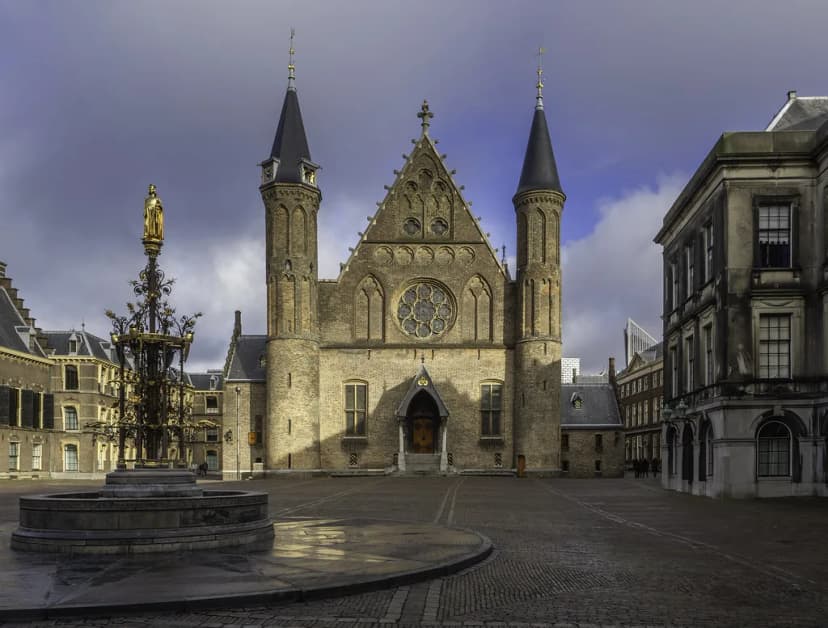
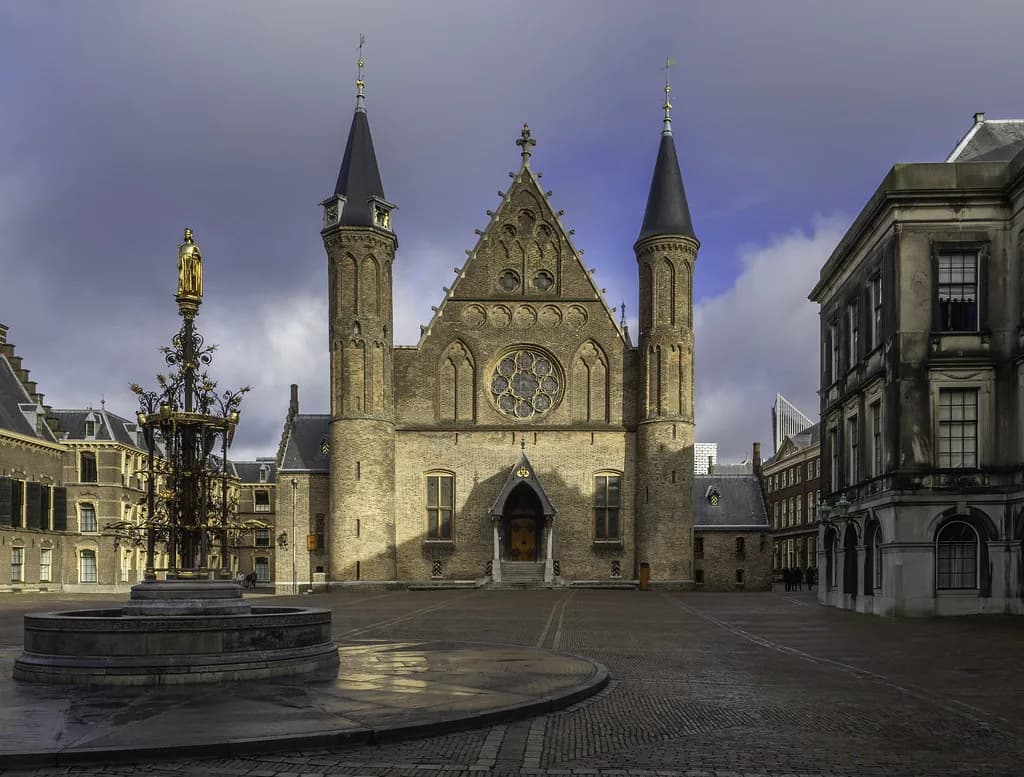
The procession includes not only the royal family but also officers of the Royal Household, mounted police, a military band, and various army units. The route has changed due to the Binnenhof renovation: previously, the coach passed under the Stadhouderspoort, but now it uses the alternative route via the Kneuterdijk. This detour has been in place since 2022, when the Speech was first delivered at the Royal Theatre. Check the official programme for the exact route on the day, as it may vary depending on construction and security considerations.
Where to Watch the Procession
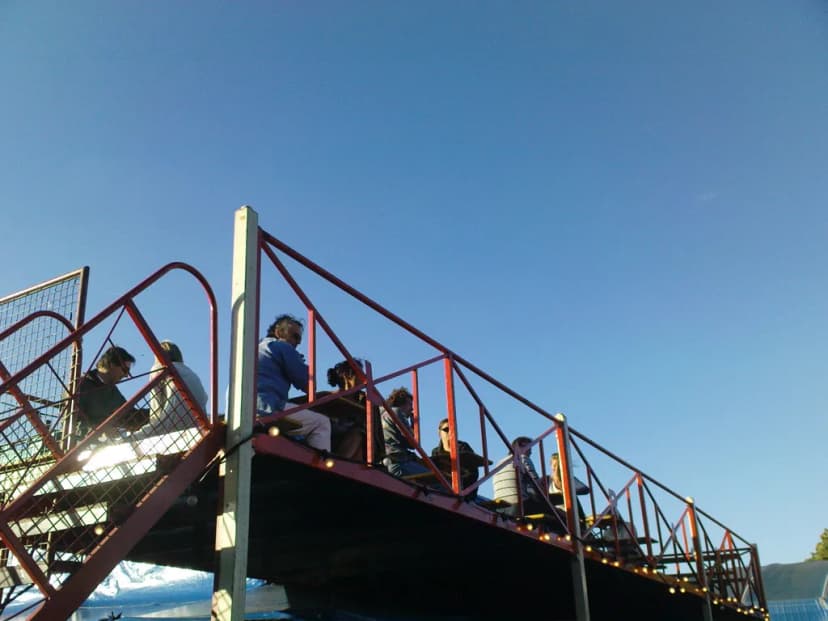
The Lange Voorhout is the main viewing area, offering a close-up view of the Glass Coach as it passes. The Oranje Tribune, a seated grandstand on the side of Bodega De Posthoorn, provides a reserved spot, but tickets require advance booking. The tribune opens at 10:00 AM, but the Lange Voorhout closes to pedestrians between 11:30 AM and 2:30 PM, so arrive early. For free viewing, stand along the route on the Lange Voorhout or the Kneuterdijk; arrive several hours ahead to secure a good spot. The organisers advise using the two walking routes from Central Station, as detailed in the visitor information.
From Central Station, two walking routes lead to the Lange Voorhout. One route goes via Herengracht, Korte Poten, Plein, and Korte Vijverberg. The other uses Turfmarkt, Kleine Houtstraat, and Plein. These routes are marked with signs on the day, and the municipality erects fences to guide pedestrians. Because the crossing points close at 11:30 AM, pick your side of the route early and stay there. For families, consider the quieter sections near the Royal Theatre, where the procession slows down as it arrives.
Balcony Scene at Noordeinde Palace
After the King delivers the Speech from the Throne, the royal family returns in the Glass Coach to Noordeinde Palace. Around 14:00, they appear on the palace balcony to greet the crowd, a tradition known as the balcony scene. This practice began in the 1960s for security reasons, replacing an open-carriage ride through the city. The balcony scene is a highlight for many spectators, who gather outside the palace to cheer and wave flags. Viewing spots are limited, so secure a place along the route or near the palace well in advance.
Traffic Measures and Getting Around
Prinsjesdag brings significant disruption to traffic in The Hague city centre. Several streets close to vehicles, and many parking garages have limited access. The carriage route is closed on both sides between 12:45 and 14:30, and pedestrian crossings are closed from 11:30 AM to 2:30 PM. Visitors are strongly advised to use public transport or bicycles. Tram and bus lines may be diverted, so check the HTM website for real-time updates.
The municipality places fences along closed streets, and access to the route is controlled. If you plan to drive, use park-and-ride facilities outside the centre and walk or cycle in. From Central Station, follow the walking routes to viewing areas, but allow extra time due to crowds. For those with mobility issues, contact the organisers in advance for accessible viewing information. Always follow the instructions of stewards and police on the day.
Tips for Visiting with Kids
Watching the procession can be a memorable family outing, but children may find the crowds intense. Arrive early to find a spot near the barriers, where kids can see over the crowd. Bring snacks, drinks, and entertainment for the wait, as the procession passes quickly. Point out the horses, the Glass Coach, and the royal family to keep them engaged. After the procession, explore the city's family-friendly attractions, such as the museums in the area.
For a more relaxed view, consider standing farther from the palace, where the crowd thins out. The balcony scene is brief, so explain beforehand that they may see the King and Queen only for a few minutes. If your children are young, a visit during the preceding weekend can be less crowded, as the city runs related events. For a broader guide to royal celebrations in The Hague, see our overview.
PrinsjesNach and Other Traditions
The evening before Prinsjesdag, known as PrinsjesNach, features live music in The Hague's pubs, with local musicians performing free of charge. A similar evening tradition occurs on King's Night before King's Day, and many visitors combine both events. PrinsjesNach is less formal than the main event, offering a relaxed way to experience the festive atmosphere. Check local listings for participating venues and performance times.
Practical Information for Visitors
Prinsjesdag events are free to watch, but some grandstands require tickets, reportedly sold out well in advance. The official tourism website publishes the programme and ticket information for each year's edition. For the latest details, check the calendar entry for the relevant year, as routes and times can change. The Dutch government and the Royal House also provide official explanations of the day's traditions, though they do not list spectator facilities.
Wear comfortable shoes, dress for the weather, and carry cash or card for refreshments, as vendors may be busy. Public bathrooms are available near the city centre, but queues form quickly. The Binnenhof renovation means the Speech is delivered at the Royal Theatre, a fact that affects the procession route. For other festive events in the country, see our guide to festivals in Netherlands, which includes seasonal celebrations beyond The Hague.
Plan Your Visit
Prinsjesdag offers a unique blend of royal tradition and political ceremony, set against the stately architecture of The Hague. By planning your viewing spot, arriving early, and using public transport, you can enjoy the procession and balcony scene without hassle. Remember that the route and venue may change from year to year, so always check the latest programme on the official tourism site.
Whether you're a royalist or simply curious about Dutch culture, Prinsjesdag is a memorable event. For more ideas on what to see and do, explore our guide to royal celebrations in The Hague, which covers a range of festive occasions in this historic city.
Frequently Asked Questions
What is Prinsjesdag?
Prinsjesdag, or Prince's Day, is the ceremonial opening of the Dutch parliamentary year. The King delivers the Speech from the Throne, and a royal procession travels through The Hague, featuring the Glass Coach.
When is Prinsjesdag held?
Prinsjesdag is held annually on the third Tuesday of September. The date is set by the Constitution and can vary, so check the official calendar for the exact day each year.
Where can I watch the procession?
Popular viewing spots include the Lange Voorhout and the Kneuterdijk. The Oranje Tribune offers reserved seating but requires advance tickets. Arrive early, as pedestrian crossings close before the procession.
What is the balcony scene?
The balcony scene occurs around 14:00 when the royal family appears on the balcony of Noordeinde Palace after the procession returns. This tradition began in the 1960s to replace an open-carriage ride.