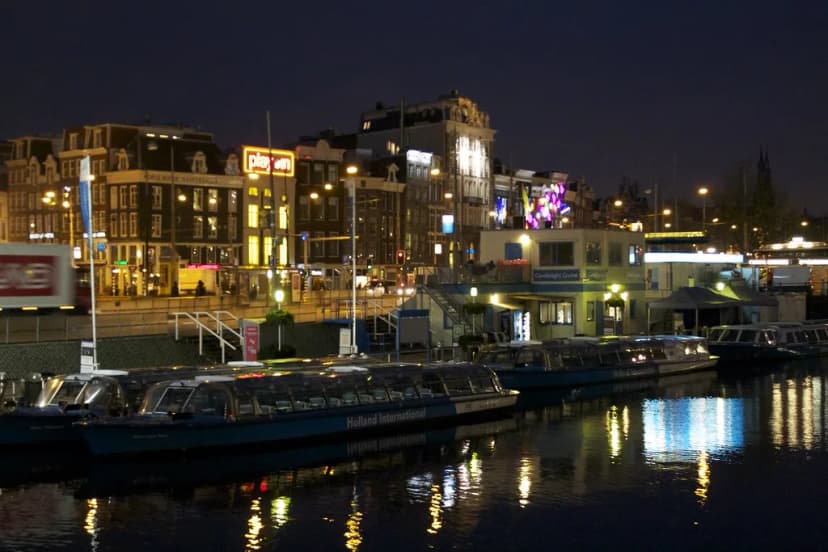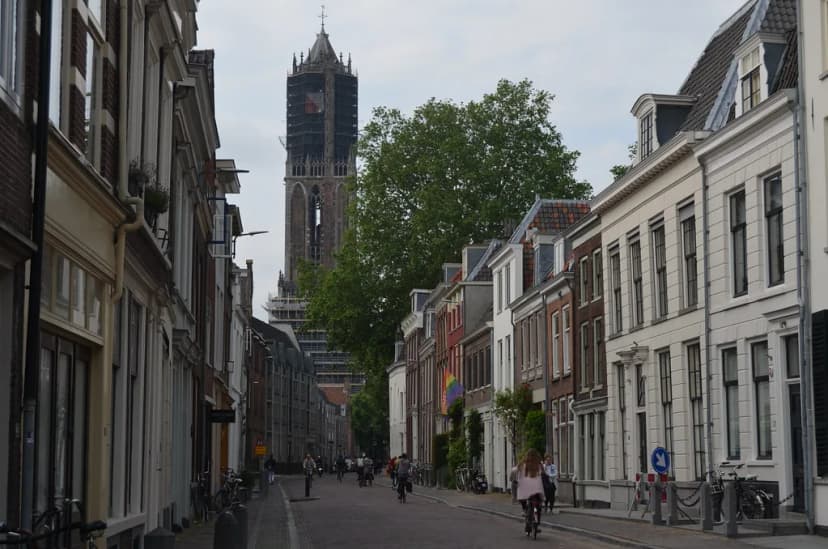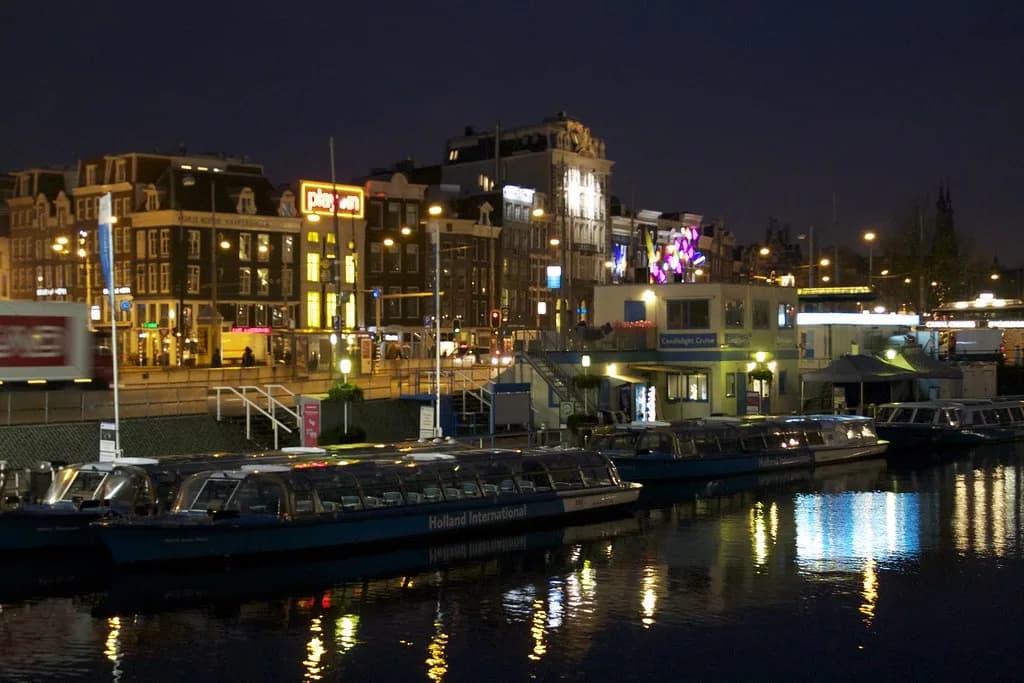
The Amsterdam Canal Parade is one of Europe's most spectacular LGBTQIA+ celebrations, drawing hundreds of thousands of spectators to the city's historic waterways. Planning where to watch is essential, as the free quayside spots fill up fast, and while some rumors mention paid grandstands, official sources confirm only free public viewing. This guide helps you choose the best vantage point along the parade route without overpaying.
The Official Canal Parade Route
The parade's route is a roughly six-kilometer loop through the city's canal belt. According to official sources, boats start at the Oosterdok, near the Scheepvaartmuseum, then travel via the Nieuwe Herengracht and Amstel before turning onto the Prinsengracht, and finally passing Westerdok to the finish. This route means the parade is spread out over several hours: boats reach the Prinsengracht about 30 to 60 minutes after the official start, so you can time your arrival based on where you stand.
The parade typically begins around noon and lasts until about 6 p.m., though exact times vary each year. Because the route is long, watching near the start (Oosterdok) means you'll see the first boats early, but they may still be in high spirits. Near the end at Westerdok, you'll catch the boats after they've passed the most crowded sections, often with more space to spread out. The Amstel and Prinsengracht offer the classic postcard views, but expect dense crowds there.
Free Viewing Spots and Best Bridges
All quayside viewing is free, and there are plenty of spots along the route. Some of the most popular include the Magere Brug (Skinny Bridge) on the Amstel, which offers an early vantage point, and the area around Eenhoornsluis near the end, which is less crowded and great for photos of boats as they pass. Along the Prinsengracht, you'll find long stretches of quay with occasional shade from trees, making it a comfortable base for a few hours.
Bridges and quay edges are the most sought-after spots, but they fill up hours before the parade starts. Arriving by mid-morning is a good rule of thumb if you want a front-row spot. For a less stressful view, consider staking out a spot along the Nieuwe Herengracht, which is early in the route and often more relaxed, but still offers good visibility. Remember to bring water and snacks, as you may be there for a while.
Paid Grandstands: What's Confirmed
Despite occasional rumors, official sources do not currently list any paid grandstands along the Canal Parade route. As of this writing, Pride Amsterdam's official event page and the city's tourism site describe all public viewing as free, with no mention of paid seating. Some third-party sites may advertise VIP experiences or boat cruises, but these are not part of the official event and should be verified carefully before purchase.
The only official paid element is the Pride Vignette for boats, which allows private boats to moor along the route during the parade. This is not a spectator ticket and does not grant access to any special viewing area. For land-based spectators, the quay is open to everyone at no charge, which is one of the parade's most inclusive features.
Timing Tips and When to Arrive
The parade is a full afternoon event, and crowds build quickly along the most popular stretches. Organizers recommend arriving early, as bridges fill up hours ahead. If you have flexibility, choose a spot near the Oosterdok or Westerdok ends of the route, where the crowd thins out slightly, and you can find a position later in the day. The middle sections, especially around the Amstel and Prinsengracht, are busiest from mid-afternoon onward.
For photographers, the Amstel near the Magere Brug offers classic shots with the bridge in the foreground, while the Prinsengracht provides iconic canal-house backdrops. The Eenhoornsluis area, near the finish, often has more space to set up a tripod, but note that the parade route changes slightly each year, so check the official map closer to the date for last-minute adjustments.
What to Expect on the Quay
The quayside is a lively street party, but it comes with strict rules. Since 2019, amplified music is not allowed on the quay or on moored boats, and public urination is banned with a fine of €140, as stated on the official event page. Toilets are provided along the route, but queues can be long and some are paid; bringing your own hand sanitizer is wise. Food and drink are available from concessionaires along the route, including burgers, fries, and soft drinks, so you don't need to pack a full picnic.
The organization also emphasizes keeping Amsterdam clean, with garbage bins provided. While the parade is a celebration, officials ask visitors to respect the city and each other. If you have reduced mobility, a wheelchair-accessible quay section with accessible toilets is set up, but registration may be required in advance, so check the official page for details.
Getting There and Getting Around
Public transport is the only sensible way to reach the parade, as roads near the route are closed to cars from early morning. The city's official tourism site recommends taking a train to Amsterdam Central Station, then walking to the route, or using the metro to Waterlooplein or Vijzelgracht, which drop you close to the Amstel and Prinsengracht sections. Trams may be rerouted due to crowds, so check the GVB website for live updates.
If you're traveling from outside the city, consider staying at a hotel within walking distance of the route to avoid post-parade transit chaos. Alternatively, cycling is not advised, as bike parking is scarce and the quays will be packed. The official event page suggests that residents with parking permits may park elsewhere, but visitors should rely on trains and metros.
Accessibility and Facilities
The parade organizers have made an effort to welcome visitors with disabilities. A specific section of quay is cordoned off to ensure safety for wheelchair users, with accessible toilets available there. However, only one caregiver per visitor is allowed, and registration is required in advance through the official organizer—so check the Pride Amsterdam site for the application process.
In terms of facilities, the route is lined with portable toilets, both free urinals and paid clean cubicles. Food and drink stalls are frequent, so you won't go hungry, but prices are not published beforehand. If you have specific dietary needs, the limited options means bringing your own snacks is a safer bet.
After the Parade: Street Parties and More
The celebration doesn't end when the last boat passes. Street parties begin around 16:00 in various neighborhoods, often near the parade route, and continue well into the evening. These are free and open to all, making them a perfect way to extend your Pride experience. For a comprehensive schedule of parties and other events, consult the official Pride Amsterdam agenda, which is updated closer to the date.
If you're interested in other major events in the Netherlands, check out the festivals guide, which covers a wide range of celebrations across the country. Closer to Amsterdam, the Amsterdam Dance Event (ADE) guide and the Amsterdam King's Day travel guide offer unique cultural experiences.
Final Checklist for a Great Viewing Day
Pack light: a small backpack with water, sunscreen, and a power bank for your phone. Plan your spot based on the route timing; for instance, if you arrive at the Prinsengracht at 13:00, you might still catch the first boats. Arrive early, use the toilets before you settle in, and be mindful of the rules about amplified music.
Finally, verify all details on the official Pride Amsterdam website or the I amsterdam tourism site, as routes and timings can change. The parade is a free, open-air event, so you don't need tickets, but you do need patience. With the right preparation, you'll have a memorable day celebrating diversity and freedom.
Plan Your Visit
The Amsterdam Canal Parade offers a unique opportunity to witness the city's LGBTQIA+ community in full color along its historic canals. With a clear understanding of the route and recommended free viewing spots, you can feel confident about enjoying the event without getting caught in unnecessary crowds or expenses.
For a complete overview of Pride week, including other events and parties, refer to our comprehensive Amsterdam Pride festival guide. Checking the official sources closer to the date will ensure you have the most up-to-date information on any changes.
Frequently Asked Questions
Where is the best place to see the Canal Parade for free?
All quayside is free. Popular spots include the Magere Brug, the Prinsengracht between Leidsestraat and Spiegelgracht, and near the Westerdok, which is less crowded. Arriving early is key.
What is the exact route of the Amsterdam Canal Parade?
The route is Oosterdok, Nieuwe Herengracht, Amstel, Prinsengracht, and Westerdok. First boats reach the Prinsengracht around 30-60 minutes after the start, so plan accordingly.
Are there paid grandstands along the Canal Parade route?
No, official sources do not mention any paid grandstands. All public viewing is free. Some third parties may sell tickets to 'best spots,' but these are not official and may not provide the promised view.
What time does the Canal Parade start?
It typically starts around noon, but the exact time varies each year. Check the official event page for the most current schedule.
How long is the Canal Parade?
The parade runs from start to finish over several hours, usually from 12:00 to 18:00, but boats pass any given point continuously. The route is several kilometers long, so you can watch the entire procession if you stay.
What bridges offer the best view of the Canal Parade?
Magere Brug on the Amstel is a classic early spot, and bridges along the Prinsengracht, like the one near Leidsegracht, are also good. Expect them to be very crowded; arrive hours early.