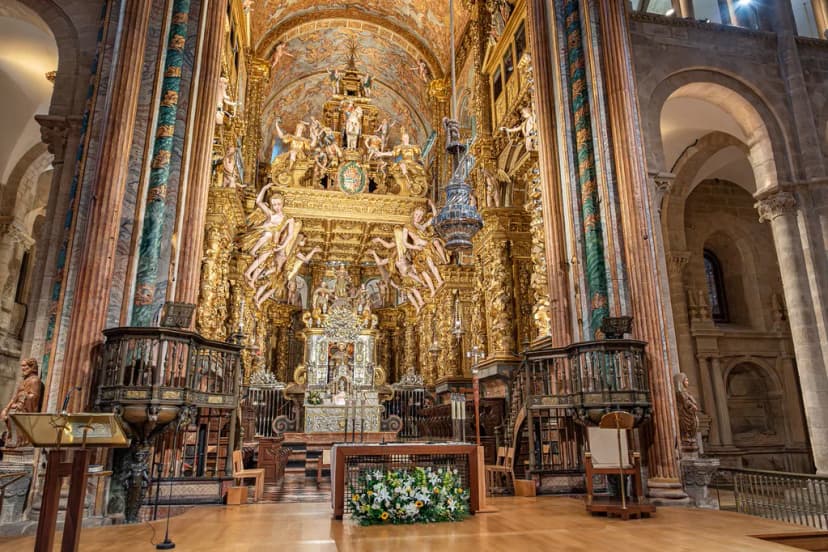
In Padua, the Feast of the Tongue is one of the two most important celebrations honouring Saint Anthony, drawing pilgrims who come to venerate the incorrupt tongue of the beloved Franciscan preacher. Unlike the famous June 13 feast that marks his death, the February feast commemorates the miraculous discovery of his tongue in 1263, over 760 years ago. The festival's heart is a solemn procession, but contrary to what many visitors expect, it does not wind through the city's streets. Instead, the reliquary is carried inside the Basilica of Saint Anthony, offering an intimate encounter with the relic.
For the faithful, the tongue represents the instrument of Anthony's preaching, a physical reminder of his mission. The event has been celebrated for more than seven centuries, making it a deeply rooted tradition in the life of the basilica. This guide helps pilgrims and curious travelers understand the feast, follow the ceremonies, and plan a meaningful visit.
The Miracle of the Incorrupt Tongue: History and Discovery in 1263
Saint Anthony died on June 13, 1231, in Padua, exhausted by his tireless preaching. Thirty-two years later, in 1263, his remains were exhumed to be transferred to the new basilica built in his honor. When the tomb was opened, his body had decomposed, but his tongue was found perfectly preserved, still moist and red as if he were alive. The discovery was made by Saint Bonaventure, then Minister General of the Franciscans, who was overseeing the translation of the relics. For the faithful, this was a divine sign approving Anthony's preaching, as the tongue was the tool of his powerful sermons.
When Is the Feast of the Tongue Celebrated?
The Feast of the Tongue is celebrated in February, marking the discovery of the relic. While the exact date varies each year, it is often held on a Sunday near the anniversary of the discovery on April 8. For example, the 2025 edition took place on February 16. Since dates are announced annually, pilgrims should check the official Basilica website or contact the information office for the current year's schedule. As of September 2026, no future dates have been officially confirmed.
Where the Procession Takes Place: Inside the Basilica of Saint Anthony
The procession is held entirely within the Basilica of Saint Anthony, not on the streets of Padua. Unlike some Italian religious celebrations that feature outdoor pageantry, this one is an indoor liturgical event. The reliquary holding the tongue is carried through the nave of the basilica, allowing the congregation to see it up close. The basilica's central location at Piazza del Santo makes it accessible for visitors, but the procession itself is confined to the sacred space.
The Procession Route: What Pilgrims See
The procession route is not published as a specific path; rather, it follows the interior spaces of the basilica. Typically, the reliquary is brought from the Chapel of the Treasury, where it is kept, and carried through the main aisles. Pilgrims can expect to see the reliquary pass by during the ceremony, often accompanied by clergy and music. Because the route is not announced in advance, it is best to arrive early and find a spot with a clear view of the central nave.
During the 2025 celebration, the procession followed the 6:00 pm Holy Mass, as announced on the basilica's official website. For other years, similar timing is likely, but visitors should verify the schedule on the official site. The basilica's live-streaming services also make it possible to follow the Mass and procession from anywhere, which is helpful for those planning a visit.
The Chapel of the Treasury: Home of the Relic
Outside the feast days, the tongue relic is venerated in the Chapel of the Treasury, located inside the Basilica. This chapel is a pilgrimage destination in its own right, visited by millions each year. When the reliquary is not in procession, pilgrims can approach the chapel to pray and view the relic. The basilica also houses the jaw reliquary, and the rest of Saint Anthony's remains are entombed in a separate chapel, so there is much to explore for those interested in the saint's life.
Planning Your Visit: Mass Schedules and Viewing the Procession
To attend the Feast of the Tongue, plan to arrive in Padua on the designated Sunday. The basilica typically schedules several Holy Masses throughout the day, with the solemn evening Mass often followed by the procession. It is advisable to attend the Mass and remain in your seat for the procession. Since the church can be crowded, arriving at least 30 minutes early is a wise strategy. For up-to-date Mass times and any reservations, check the Basilica's official website before your visit.
Practical Tips for Pilgrims and Visitors
When visiting for the feast, dress respectfully, as it is a religious ceremony. The basilica is open to tourists throughout the year, but during the feast, access may be restricted for worship. Photography is generally allowed, but flash is discouraged during the procession. If you cannot attend in person, the basilica streams the Holy Masses and procession live on its website and social media channels. This is a useful alternative for those who wish to follow the ceremonies from a distance.
Understanding the February Feast vs. the June 13 Feast
It is easy to confuse the February Feast of the Tongue with the more famous June 13 celebration of Saint Anthony's death. The June feast, which is known as his 'birth in heaven', attracts larger crowds and features a street procession of the saint's statue. The February feast is more intimate, focusing on the miracle of the incorrupt tongue. For first-time visitors, knowing the difference helps set expectations for the type of ceremony you will witness.
Plan Your Visit
The Feast of the Tongue offers a unique opportunity to venerate one of Catholicism's most precious relics, the incorrupt tongue of Saint Anthony. Since the procession occurs inside the Basilica, you won't need to navigate an outdoor route, but you should plan to arrive early and confirm the schedule. For a complete picture of religious events in Italy, consult the festival calendar.
Before traveling, always verify the feast date and Mass times on the Basilica's official website, as they may change from year to year. With a little preparation, you can experience a tradition that has united pilgrims for over seven centuries.
More festivals in Italy
Frequently Asked Questions
Which saint's tongue did not decompose?
Saint Anthony of Padua's tongue did not decompose after his death in 1231. When his body was exhumed in 1263, his tongue was found perfectly preserved, which was considered a miracle.
Where are the relics of Saint Anthony kept?
The incorrupt tongue and jaw bone of Saint Anthony are kept in the Basilica of Saint Anthony in Padua, Italy. The tongue is venerated in the Chapel of the Treasury, while his other remains are in a separate chapel.
When is the Feast of the Tongue celebrated?
The Feast of the Tongue is celebrated annually in February, though the exact date varies. It commemorates the discovery of the incorrupt tongue in 1263. The Basilica announces the specific date each year on its official website.
What is the procession route?
The procession route is informal and takes place inside the Basilica of Saint Anthony. The reliquary is carried from the Chapel of the Treasury through the main aisles, allowing pilgrims to see it during the ceremony.