
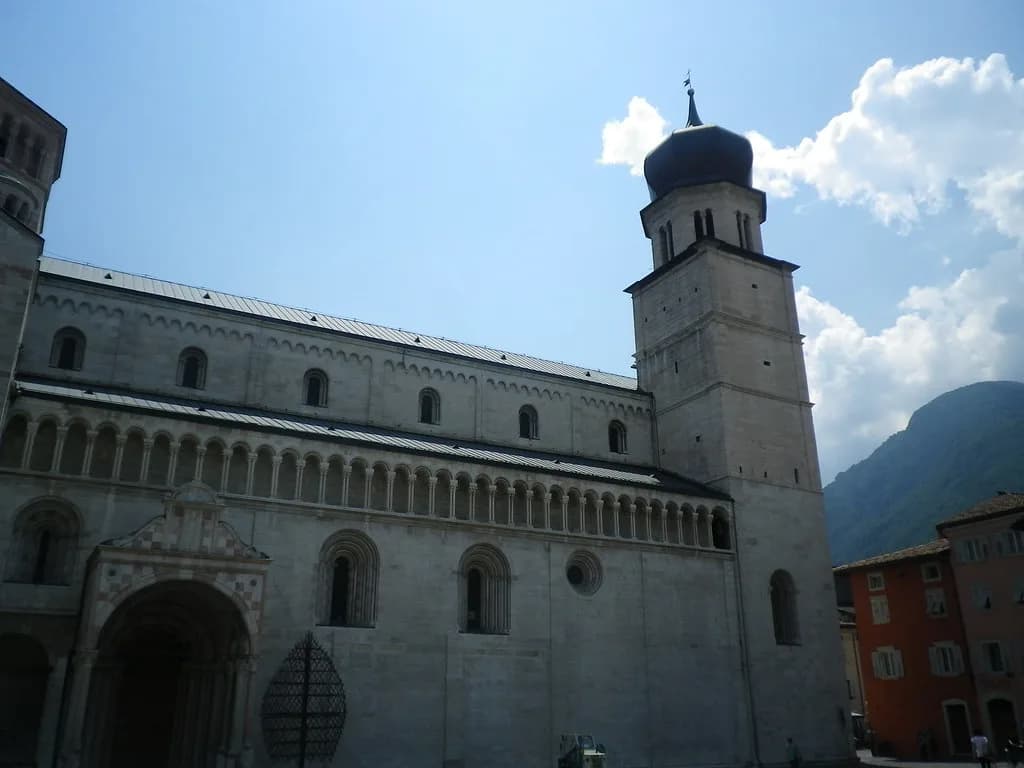
Every June, the northern Italian city of Trento pauses to celebrate its patron saint, San Vigilio. Known as the Feste Vigiliane, the week-long festival transforms the historic center into a living medieval stage, with costumed parades, river challenges, and a healthy dose of satirical theater.
The festival pays homage to San Vigilio, the bishop who brought Christianity to the Trentino region in the late fourth century. While the religious roots remain central to local identity, the celebration has evolved into a broad cultural event that mixes sacred traditions with secular entertainment, drawing both devotees and curious travelers.
As a visitor, you can expect a vibrant program of music, food, and folk reenactments spread across Piazza Duomo and the surrounding streets. For a full overview of what else happens in the city throughout the year, you can consult the festivals and events in Trento calendar, which lists seasonal highlights beyond this patronal feast.
What Are the Feste Vigiliane?
The Feste Vigiliane are an annual series of events dedicated to the patron saint of Trento, San Vigilio. Organized by the Municipality of Trento and the Centro Servizi Culturali Santa Chiara in collaboration with the ProLoco Centro Storico di Trento, the celebration typically spans a full week in June, turning the city center into a medieval-inspired village.
The program balances religious observances with theatrical and communal activities, ensuring there is something for all ages. Whether you are interested in historical reenactments, regional cuisine, or simply enjoying the festive atmosphere, the week offers a vivid immersion into Trento's cultural heritage.
Because the exact dates vary each year, it is wise to check the official organizer's website before planning your trip. The city tourism office usually publishes the program a few months in advance, allowing you to align your visit with the most anticipated events.
The Historical Parade: Dressing Up the Past
A centerpiece of the Feste Vigiliane is the historical parade, where participants in period costumes wind through the city's picturesque lanes. The parade features characters inspired by the edition's theme, bringing centuries of Trento's history to life for onlookers.
This itinerant reenactment is more than a costume show; it often includes theatrical performances and interactive elements that engage the audience. As the parade progresses, visitors get a glimpse of the city's evolution from a Roman settlement to a Renaissance prince-bishopric.
To catch the parade, arrive early to secure a good spot along the route, typically through the central piazzas. Bring comfortable shoes, as you may want to follow the procession or explore the medieval market stalls that spring up around the historic quarter.
The Palio dell'Oca: A Raft Race on the Adige
One of the most thrilling spectacles is the Palio dell'Oca, a raft race on the Adige River. Crews representing the city's districts and suburbs compete in skill-based challenges while navigating wooden rafts downstream, recalling the river's historical importance as a commercial artery.
Each crew consists of five costumed raftsmen, and the winner is decided by both race time and performance in the trials. Thousands of locals and visitors line the riverbanks to cheer on their favorite team, making it a quintessential festival moment.
The Tribunal di Penitenza and La Tonca
With a blend of humor and history, the Tribunal di Penitenza is a fictional court where a 'Supreme Judge' presides over the misdeeds of local public figures. The proceedings are deliberately comic, setting the stage for the festival's most distinctive ritual: La Tonca.
La Tonca revives a punishment said to have been used between the fourteenth and seventeenth centuries for blasphemers. The condemned person, locked in a cage, would be immersed into the Adige River three times from the Torre Verde, a practice now reenacted in burlesque style near the San Lorenzo bridge.
Fireworks and Religious Observances
The festival traditionally concludes with a spectacular fireworks display that lights up the night sky over Trento. This is a moment of collective celebration, drawing crowds to the riverbanks and the historic center for a memorable finale.
Despite the festive atmosphere, the religious core remains present. Many events are scheduled around liturgical celebrations, including masses in the city's cathedral dedicated to San Vigilio. Visitors should check the program to join these moments of local devotion.
Tips for Attending the Festival
When planning your visit, remember that accommodation in Trento fills quickly during the festival week. Book lodging early, and consider using public transport or walking, as the historic center is often closed to traffic for the celebrations.
Stroll through the food stalls to sample regional specialties such as canederli and apple strudel. The festival also features children's activities and live music, making it a family-friendly outing.
For up-to-date schedules and any changes, consult the official festival website or the city's tourism office. Always verify dates and details directly with the organizers, as information can evolve closer to the event.
Planning Your Trip and Finding Updates
To get the most accurate information, rely on the tourism websites of Trento and Trentino, which publish detailed programs once confirmed. These official sources will list venues, times, and any special events for the current edition.
If you are combining your trip with other Trentino experiences, explore what the region offers year-round, from spring markets to ski seasons. You can also look at the Trento Christmas market guide for a completely different seasonal atmosphere.
Remember that the festival is just one of many events in Trento; a broader calendar can help you plan your trip around multiple highlights. For enthusiasts of mountain culture, the Trento Film Festival attendance guide offers insights into another signature event.
Plan Your Visit
The Feste Vigiliane offer an authentic window into Trento's traditions, blending pageantry, sport, and satire in honor of its patron saint. Whether you are drawn by the historical parade, the adrenaline of the Palio, or the quirky charm of La Tonca, a June visit promises a cultural experience unlike any other.
Before you go, confirm the festival dates and program through the official tourism channels, as these can vary from year to year. With careful planning, you can enjoy this unique celebration and discover the enduring legacy of San Vigilio in the heart of Trentino.
Frequently Asked Questions
What are patron saint festivals?
Patron saint festivals are annual community celebrations dedicated to the saint designated as the protector of a city, town, or church. They often include religious services, processions, and secular events like fairs, concerts, and traditional games. In Trento, the Feste Vigiliane honor San Vigilio, the city's patron saint, with a week of historical reenactments and festivities.
When is the Feste Vigiliane held in Trento?
The Feste Vigiliane are held annually in June in Trento, Italy. The exact dates vary each year; for example, the 43rd edition was scheduled for June 19-26, 2026. To confirm dates for an upcoming edition, check the official festival website or the local tourism office.
What events take place during the Feste Vigiliane?
The festival features a variety of events, including a historical parade with costumed characters, the Palio dell'Oca raft race on the Adige River, the humorous Tribunal di Penitenza, the burlesque La Tonca reenactment, and often a fireworks display. The program blends religious and secular components, with food and music throughout the historic center.