
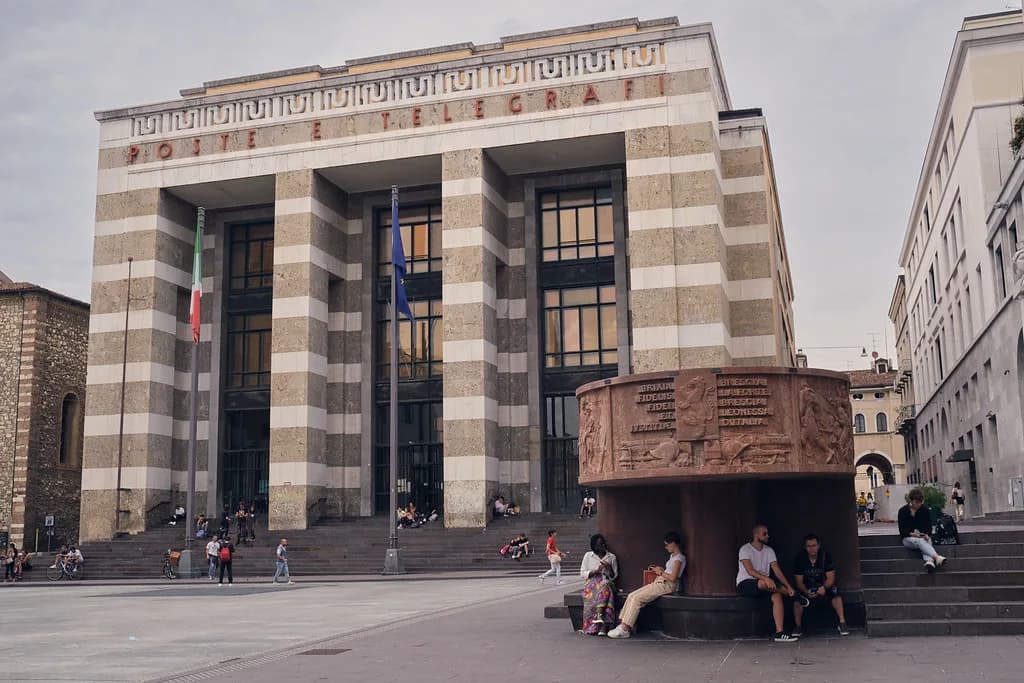
On February 15, Brescia turns its historic center into a lively open-air celebration in honor of Saints Faustino and Giovita, the city's patron saints. For locals, this date is synonymous with a large street fair, religious ceremonies, and the chance to rediscover the town's treasures. The tradition unites the entire province, with many residents making it their fixed moment to enjoy the centro storico.
Planning your visit means knowing the fixed parts of the festival — such as the date and the fair's location — and those that change every year, like concerts or special exhibitions. While the day is firmly set, specific programs vary annually. This guide blends religious and historical background with practical logistics so you can enjoy the event without the stress of the car.
Chi erano i santi Faustino e Giovita: due fratelli diventati patroni
Saints Faustino and Giovita were brothers from a noble pagan family in Brescia in the 2nd century. They likely pursued military careers before converting to Christianity, becoming respectively a priest and a deacon. Their evangelization of the still-pagan city led to martyrdom under Emperor Hadrian, according to tradition by decapitation just outside the Roman walls.
Their relics were later moved to a Benedictine monastery, spreading their cult across Italy through monastic networks. In 1438, when Milanese mercenaries besieged Brescia, the two saints reportedly appeared on the city walls, causing the enemy to withdraw on December 13. From then on they were invoked as defenders of the city, and they were officially recognized as its patrons.
The festival's religious core still carries this memory, and the day in February offers a chance to explore the churches dedicated to them, such as the basilica of San Faustino in Riposo. The local parish hosts a program of masses and liturgical events to honor the patrons of the diocese.
Quando si festeggia San Faustino a Brescia?
The feast day of Saints Faustino and Giovita is always celebrated on February 15, a fixed date in the liturgical and civic calendar of Brescia. In 2026, the fair took place on February 15 as usual, and the day saw a large crowd, as reported by the local newspaper Bresciaoggi. However, the specific events and programs may change each year, so always verify the official schedule.
Since the date is fixed, you can plan around it well in advance. But be aware that some events, such as the famous ceremony of the Galero Rosso, are organized annually with different details. For any given year, check the official tourism website of Brescia or the parish's announcements to know the exact program and any special opening hours.
Dove si svolge la fiera di San Faustino: percorsi e vie del centro
The fair of Saints Faustino and Giovita fills the historic center of Brescia, starting from via San Faustino and extending to Largo Formentone, then entering the heart of the city: Piazza della Loggia, Piazza della Vittoria, via Dieci Giornate, via Antonio Gramsci, Corso Palestro, and Corso Zanardelli, as well as other streets like via XXIV Maggio, via della Posta, via Volta, and via IV Novembre. The exact layout may vary slightly from year to year due to logistical adjustments.
The stalls typically display a wide variety of goods: clothing, accessories, food products, household items, toys, books, and local crafts, with both Italian and international exhibitors. While the 2026 edition counted over 600 vendors, such numbers are not a guarantee for future editions; expect a large fair but without relying on exact figures.
As you wander, you'll pass historic landmarks like the astronomical clock in Piazza Loggia, the churches of San Giuseppe and San Faustino in Riposo, and the medieval alleys near the Castle. A stroll along via Musei leads to the archaeological area of Piazza del Foro, offering a deeper taste of Brescia's Roman past.
Il programma religioso e civile: celebrazioni e Galero Rosso
Besides the fair, the day is marked by religious services in the churches of the historic center, often including a solemn mass in honor of the patron saints. Since 2011, the Confraternita dei Santi Faustino e Giovita has been promoting the festivities and fostering devotion to the martyrs; it publishes updates through its social channels.
A traditional civic highlight is the ceremony of the Galero Rosso, an honor given by the city on this day. Other cultural events—like exhibitions, concerts, guided tours, and activities for children—are typically organized, but their details change each year. To know what's on, consult the official program published by the municipality or the diocesan sources.
Come raggiungere e muoversi: metro, bus, parcheggi e bici
The best way to reach the fair without the hassle of parking is to use the metro. The two stations in the historic center, Vittoria and San Faustino, drop you right at the heart of the stalls. From the east, you can leave your car at the free multistory S. Eufemia car park (if you buy a metro ticket) and take the train toward Prealpino; from the south, use the Poliambulanza, Lamarmora, or Bresciadue lots; from the west, the Stazione lot; from the north, Prealpino or Casazza.
If you prefer driving closer, there are several multi-storey and underground car parks just outside the central ring: Arnaldo, Autosilo, Palagiustizia, Stazione, Freccia Rossa, Randaccio, and Fossa Bagni. From these, a short walk takes you to the fair. For real-time availability, check the Brescia Mobilità website, as some lots may close on event days.
Cycling is also a great option, with many cycle paths leading to the center and over 70 Bicimia bike-sharing stations throughout the city. On crowded days like this, arriving early is advisable, and wearing comfortable shoes will make your stroll more enjoyable.
Cosa vedere e fare in centro durante la festa
Take advantage of the day to visit the Duomo Nuovo and Duomo Vecchio, or the Santa Giulia museum, all within walking distance of the fair. The Castle offers a panoramic view of the city, and the climb along Contrada Sant'Urbano winds through picturesque residential alleys, a side of Brescia that the festival inevitably brings to light.
Between the stalls, you'll find plenty of coffee bars around Piazza della Vittoria and Piazza del Mercato, perfect for a break. Whether you're hunting for handcrafted souvenirs or local gastronomic treats, the fair is a great opportunity to discover Brescia's vibrant street life.
Plan Your Visit
February 15 in Brescia is more than a fair: it's a civic and spiritual occasion that opens a window onto the city's identity, its saints, and its living traditions. Arrive early, use the metro or a bike, and wear comfortable shoes to make the most of the day.
Before you go, double-check the detailed program and any travel notices on the Visit Brescia page dedicated to the fair, and follow the Confraternita for the latest cultural updates. Enjoy the mix of religion, history, and local life this festival brings.
For more ideas on exploring Italy through its festivals, see our comprehensive month-by-month guide to Italian celebrations. And if you plan to stay for an evening performance, consider what the opera season at Teatro Grande offers later in the year, a different side of Brescia's culture.
More festivals in Italy
Frequently Asked Questions
Quando è la Festa di San Faustino a Brescia?
I santi Faustino e Giovita, patroni di Brescia, si festeggiano ogni anno il 15 febbraio. In tale data si tengono la fiera nel centro storico, celebrazioni religiose ed eventi civili. Poiché il programma dettagliato varia di anno in anno, consulta il sito ufficiale di Visit Brescia o del Comune per gli aggiornamenti annuali.
Quando si festeggiano i Santi Faustino e Giovita a Brescia?
Si festeggiano il 15 febbraio di ogni anno. Questa data è fissa nel calendario liturgico e civile di Brescia. Le manifestazioni comprendono la fiera, messe solenni e la cerimonia del Galero Rosso, ma gli orari e gli eventi specifici cambiano ogni anno, quindi è bene informarsi sulle fonti ufficiali.
Dove si svolge la fiera di San Faustino a Brescia?
La fiera si tiene nel centro storico di Brescia, lungo via San Faustino, Largo Formentone, Piazza Loggia, Piazza della Vittoria, via Dieci Giornate, via Gramsci, Corso Palestro, Corso Zanardelli e vie limitrofe come via XXIV Maggio, via della Posta, via Volta e via IV Novembre. Il percorso può subire variazioni annuali, quindi è consigliabile verificare il programma ufficiale.
Come raggiungere la fiera di San Faustino a Brescia?
Si consiglia di usare la metropolitana: le fermate Vittoria e San Faustino sono nel cuore dell'evento. Se arrivi in auto, puoi parcheggiare presso i parcheggi scambiatori come S. Eufemia, Poliambulanza o Lamarmora e prendere la metro. In alternativa, ci sono parcheggi in struttura vicino al centro, ma in giornate di grande affluenza potrebbero chiudere; verifica la disponibilità online.