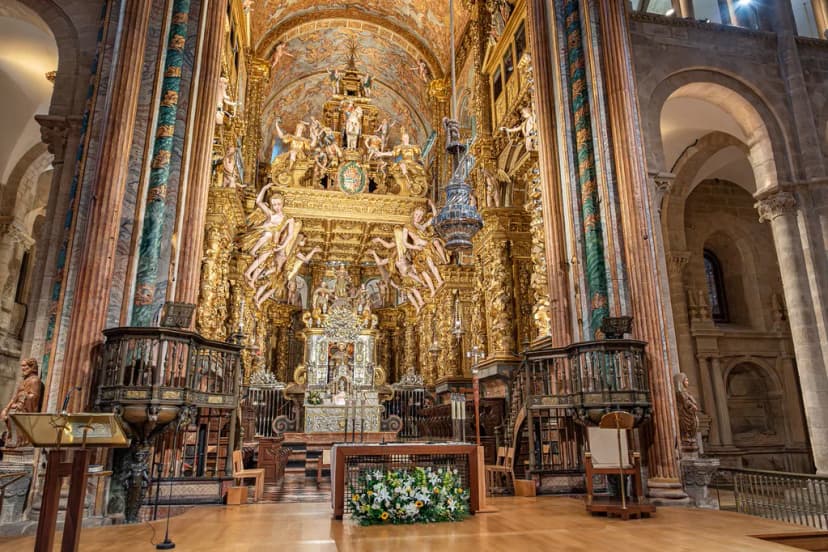
Each year on October 4, Assisi becomes the heart of a nationwide tribute to St. Francis, the saint who was proclaimed Patron of Italy by Pope Pius XII in 1939. While Italy marks the day with various observances, the celebrations in Assisi are especially profound, drawing pilgrims and travelers into days of religious and civic events that honor the life of the 'Little Poor Man.'
The feast is not a single-day affair. In Assisi, the commemorations for the Patron of Italy last several days, involving the whole town through religious initiatives, awards, conferences, and historical reenactments. This article serves as an evergreen guide to the essence of the celebration, helping you understand its traditions and practicalities without relying on details that change year to year.
Why Is the Feast of St. Francis on October 4?
The date of October 4 is not arbitrary; it marks the death anniversary of St. Francis, who passed away on the evening of October 3, 1226. In Christian tradition, the day of a saint's death is often celebrated as their 'birth into eternal life,' and for Francis, this day became his principal feast. The date also aligns with the liturgical calendar, where October 4 is universally dedicated to the memory of St. Francis of Assisi.
The Multi-Day Celebrations in Assisi
The official celebrations in Assisi are not confined to a single day. According to the communal tourism portal, the tributes to the Patron of Italy last multiple days and involve the entire city through both religious and civil events. You might encounter not only liturgical services but also civic ceremonies, conferences, and historical processions that highlight the town's deep connection to its most famous son. For an overview of the celebrations, refer to the Visit Assisi page on Franciscan celebrations.
The atmosphere is unique because the entire community participates. Local residents often display olive branches in their homes, a tradition tied to the blessing of the feast. For visitors, this is a chance to witness a living tradition that blends faith with local identity, unlike any other time of the year.
The Transito Ceremony on October 3
One of the most significant events is the Transito, a solemn ceremony held on October 3 at the Basilica of Santa Maria degli Angeli. This ceremony re-enacts St. Francis's passing from life to death, honoring the moment he died in the Porziuncola chapel, which is now enshrined within the basilica. The Transito is a deeply moving liturgical event, often attended by pilgrims and local faithful alike. For a broader context on the saint's life and feast, the Anglican Compass guide offers a helpful introduction.
The Basilicas Involved: San Francesco and Santa Maria degli Angeli
During the feast days, the principal liturgical ceremonies take place in two major basilicas. The Basilica of San Francesco d'Assisi, a UNESCO World Heritage site, houses the saint's tomb and is a central place of pilgrimage. The Basilica of Santa Maria degli Angeli, located in the valley below Assisi, is built around the Porziuncola, the humble chapel where Francis founded his order and where he died. Both sites become focal points for prayers and processions.
When visiting during this period, plan to attend services at both basilicas to experience the full scope of the celebration. The churches are usually open to the public, but it's wise to confirm service times locally, as they may vary from year to year.
The Tradition of the Oil Offering
A unique tradition during the feast is the offering of oil. For many years, it has been customary for an Italian region, on a rotating basis, to come to Assisi to donate 'its oil' for St. Francis. This oil is used to fuel the votive lamp that burns perpetually in the crypt of the saint. The ritual holds deep meaning for the citizens, as the burning oil is seen as a source of light and blessing, guiding the Christian on the path of faith.
This offering reflects a sense of communal devotion, with each region taking its turn to provide a gift that sustains the sacred flame. As a visitor, you may observe the dedication ceremony, but the practice is primarily a symbolic act between the region and the saint.
Civic Events and Local Participation
Beyond the religious ceremonies, the feast includes civic events and local participation. Representatives of the Italian government, as well as regional, provincial, and municipal authorities, often attend the secular celebrations. Awards, conferences, and historical reenactments are part of the multi-day program, showcasing the civic pride and cultural heritage of Assisi.
This blend of sacred and civic elements is characteristic of Italian patronal feasts, and in Assisi it takes on a particularly rich character. Observing these events offers insight into how the town honors its patron not only in faith but also in civic identity.
Planning Your Visit: When to Go and What to Expect
If you're planning a trip to Assisi for the feast, be prepared for a busy and spiritually charged atmosphere. The days around October 4 draw many pilgrims and tourists, so it's advisable to book accommodation well in advance. Securing a spot in Assisi will give you the chance to fully immerse yourself in the celebrations, from early morning Masses to evening processions.
Expect that some streets and basilicas may be more crowded than usual. Dress respectfully, especially when attending religious services, and be prepared for possible restrictions or adjustments to opening hours. Always check the latest updates from official sources before your visit, as the schedule can change.
How to Check the Current Program
Because the exact program of events varies each year, it's essential to consult the official tourist information for Assisi. The city's tourism website publishes details about the Franciscan celebrations, including the Transito and other ceremonies. Look for any announcements regarding papal visits or special guests, which are not guaranteed and may alter the schedule. The same source confirms the multi-day nature and the key events, but you should always seek current updates.
Additionally, check with local parishes or the basilicas' own websites for updated Mass times and processions. Social media channels of the Diocese of Assisi and the official tourism board can also provide real-time updates.
Tips for Pilgrims and Travelers
Arrive early for events, especially the Transito, to secure a good spot. If you're not part of an organized pilgrimage, consider joining a tour to gain deeper insights. For a fuller understanding of the saint's life, visit the Basilica of San Francesco and the Porziuncola within Santa Maria degli Angeli, as these are central to the story. For additional context on planning your pilgrimage, refer to our guide on Planning a Pilgrimage to Assisi for the Feast of St. Francis.
Remember that October in Umbria can be cool and rainy, so pack layers and an umbrella. Since many events are outdoors or in unheated churches, comfortable walking shoes are a must. Also, be respectful of the religious nature of the occasion, adjusting your behavior accordingly.
Experiencing the Feast
Visiting Assisi for the Feast of St. Francis on October 4 is a profound experience that goes beyond tourism. It is about participating in a centuries-old tradition that honors a saint who continues to inspire millions. Whether you join the solemn Transito or simply soak in the atmosphere, the feast offers a unique window into the soul of Assisi.
To make the most of your pilgrimage, start with a well-planned itinerary. Combine your visit with other spiritual sites in Assisi, such as the Carceri hermitage or the Basilica of Santa Chiara. By understanding the deeply rooted traditions of this celebration, you'll leave with a deeper appreciation for St. Francis and his enduring legacy.
Related festival guides
Frequently Asked Questions
Why is the Feast of St. Francis on October 4th?
October 4th is the date of St. Francis's death in 1226. In Christian tradition, the day of a saint's death is often celebrated as their birth into eternal life, so this became his primary feast day.
How can I celebrate the Feast of St. Francis?
You can celebrate by attending a Mass or blessing of animals, reflecting on his teachings, spending time in nature, or performing acts of charity. Many churches hold special services, and individuals may also pray the Canticle of the Creatures.
What saint's feast day is October 4th?
October 4th is the feast day of St. Francis of Assisi, the patron saint of Italy, animals, and the environment.