The Carnival of Acireale stands apart among Sicily's festivals for its elaborate floats and long traditions. It unfolds each year in the baroque historic center of Acireale, a town on the Ionian coast that has been perfecting its carnival since at least the late sixteenth century. Visitors come to see allegorical floats made of papier-mâché, some decorated with fresh flowers, that are paraded through the streets to the delight of large crowds.
History and tradition
The carnival's roots go back to Renaissance times, with the first official documents mentioning celebrations in 1594. That makes it one of the oldest carnivals in Sicily, and it has remained a central part of local identity ever since.
The event was historically a way for ordinary people to mock the powerful through music, masks, and satire. Today, the carnival continues this tradition with floats that caricature politicians and celebrities, keeping the spirit of social commentary alive.
When the carnival happens
The Carnival of Acireale takes place each year in February, with celebrations typically spanning about three weeks. In 2025, the event ran from Saturday 15 February to Tuesday 4 March, according to the regional tourism board, but exact dates change annually.
If you are planning around the carnival, it is wise to start checking the organizer's website (carnevaleacireale.eu) several months ahead for the upcoming program. Since the festival is rooted in the Catholic calendar, it usually begins before Lent, so be prepared for winter weather in Sicily.
Where it unfolds
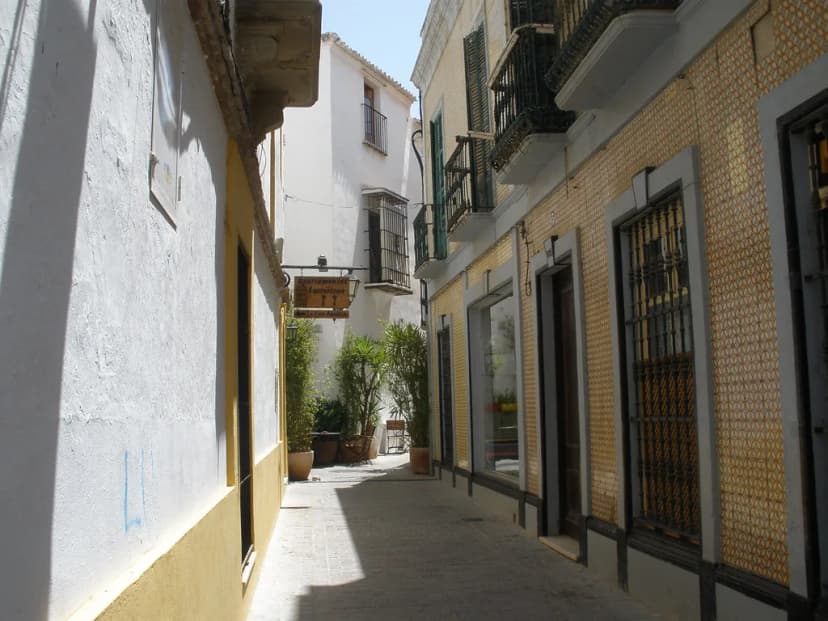
The carnival takes over the historic center of Acireale, filling its baroque streets and squares with color and noise. The main parade routes wind through the old town, where spectators gather to watch the floats pass by among ornate churches and palazzos.
A fun fair is also set up along the route between Via Felice Paradiso and Corso Italia, providing rides and games for families. Since it occupies the same streets as the parades, be prepared for crowds at peak times.
Parades and floats
The heart of the carnival is its allegorical floats, handcrafted from papier-mâché by artisans who work year-round. These moving works of art carry satirical scenes and are admired for their detail, movement, and lighting, often mocking well-known public figures.
Other floats are decorated with cascades of fresh flowers that form portraits and elaborate designs, brightening even daytime parades. At night, hundreds of lights transform both types of floats into glowing spectacles, making the evening parades the most popular with visitors.
Miniaturized floats, exact miniature replicas of the larger creations, are also on display and deserve a close look. They are considered works of art in their own right, showing the craftsmen's skill in intricate detail.
Masks and characters
The carnival celebrates traditional masks that date back to the seventeenth century. The 'Abbatazzu' ironically portrays the clergy, while the 'Baruni' mocks the aristocracy, giving locals and visitors a laugh while keeping satire alive.
Look for these characters weaving through the crowds, often accompanied by folk bands and majorettes from across Italy. The masked competitions reward the most creative costumes, many of which reference current events or timeless themes.
Music, contests, and the fun fair
Beyond the floats, the carnival offers a packed program of events through its three weeks of festivities. Folk bands perform in the streets, and concerts and dance shows add to the atmosphere, along with contests for children and adults that bring the community together.
An itinerant fun fair travels with the festival, offering rides and games for families between the parades. While you explore, enjoy the lively atmosphere of the historic center as it fills with music, laughter, and the smell of local food.
The final act: King Carnival’s burning
As with many carnivals in Italy, the conclusion is marked by a symbolic ritual. Acireale's carnival ends with the burning at the stake of 'Re Carnevale' (King Carnival), a cathartic moment meant to close the cycle of celebration.
The burning is followed by a spectacular fireworks display lighting up the night sky, bringing the festival to a dramatic and colorful end.
Tips for first-time visitors
For the best experience, arrive early to secure a good viewing spot along the parade route, especially for the highly popular night parades. The historic center can get extremely crowded, so wear comfortable shoes and be ready to navigate narrow streets packed with spectators.
Bring layers and weather protection: February evenings in Sicily can be cool and sometimes rainy, but the show goes on regardless. Keep an eye on your belongings in the throng, and remember that many locals dress up, so feel free to join in with your own mask or costume.
Getting to Acireale from Catania and beyond
Acireale sits roughly 24 kilometers north of Catania, making it an easy day trip from the city. If you are driving, take the A18 motorway toward Messina and exit at Acireale, but be prepared for heavy traffic and limited parking on carnival days.
Public transport options include buses that run regularly from Catania's central station, but they may be crowded during the festival. Check the local transport operator's schedule in advance for carnival service updates, or consider traveling by train and walking into the center.
Where to stay: Acireale vs. Catania or Taormina
Staying in Acireale itself offers the advantage of rolling out of your hotel straight into the festivities, but accommodation books up quickly and prices can rise. If you prefer more choice, Catania – a larger city with abundant hotels and a lively urban scene – makes a convenient base, with the carnival a short drive or bus ride away.
Taormina, about 40 minutes north, is another popular option for travelers who want hilltop views and a resort atmosphere. Whichever you choose, book well in advance and consider arriving the night before the carnival to avoid rush-hour traffic.
What to eat in Acireale during carnival season
During carnival, street vendors and local bakeries offer seasonal treats like chiacchiere, fried dough strips dusted with sugar. Pair them with a granita or an arancino from a nearby café to fuel up for a long day of parade-watching.
For sit-down meals, look for traditional trattorias serving Etna-grown produce and local seafood. Always ask what's fresh that day: Sicilian cuisine is at its best when you let the kitchen decide.
Summer carnival: what to expect in August
A shorter version of the carnival is repeated in early August, when the extraordinary floats are displayed in the main avenues and squares of Acireale. It is not an exact copy of the February festival—expect fewer parades and more static exhibitions, but with the same artistry and a sunny summer backdrop.
If you are staying near Catania or Taormina in August, it is worth a visit to see the floats up close without the winter crowds. Check the organizer's website for exact dates and program details for the summer edition.
Plan Your Visit
The Carnival of Acireale offers a unique blend of artistry, tradition, and satire that makes it one of Sicily's most memorable experiences. Whether you stay in the baroque heart of Acireale or base yourself in Catania and commute, the three weeks of parades, music, and costumes are worth planning around.
Always confirm the exact dates and the full program through the official carnival website (carnevaleacireale.eu) or the regional tourism board before finalizing your travel. To see what other Italian festivals take place throughout the year, you might find our Festivals in Italy calendar helpful.
More festivals in Italy
Frequently Asked Questions
What are the dates of the Carnival of Acireale?
The Carnival of Acireale is typically held each year in February and lasts about three weeks. Exact dates vary annually; for example, in 2025 it ran from February 15 to March 4. Check the official carnival website for current-year dates before planning your trip.
How old is the Carnival of Acireale?
The Carnival of Acireale has written records dating back to 1594, making it one of the oldest in Sicily. Its traditions of papier-mâché floats and satirical masks have evolved over more than four centuries.
What is the Carnival of Acireale known for?
It is renowned for its elaborate allegorical floats made of papier-mâché, many decorated with fresh flowers and intricate lighting that shine especially at night. It is considered one of Sicily's most beautiful and important carnivals.
What is a Munnacaredda?
We have no confirmed information about a 'Munnacaredda' parade at the Carnival of Acireale. Based on available sources, this element is not part of the event's documented programming.
How to get to Acireale from Catania?
Acireale is about 24 kilometers north of Catania, accessible by car via the A18 motorway (exit Acireale) or by frequent buses from Catania station. The journey typically takes 30–40 minutes, though traffic builds during carnival events.
Where to stay for the Carnival of Acireale?
You can stay in Acireale itself for immediate access to the parades, or base yourself in Catania for a wider range of hotels and nightlife. Taormina is another scenic option about 40 minutes north, but book lodging well in advance as carnival week fills up.