
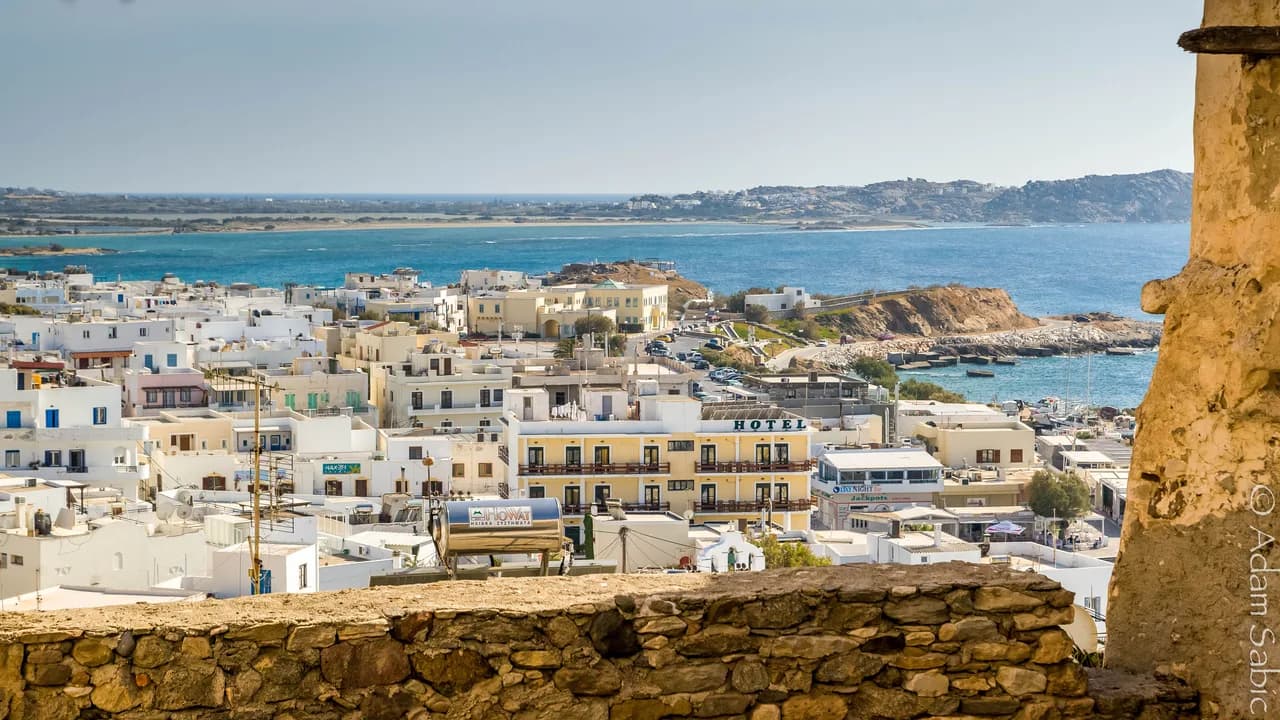
A panigiri on Naxos is a village festival held to honor a saint, usually with a church service followed by food, wine, music, and dancing that can stretch late into the night. These gatherings are rooted in Greek Orthodox tradition and local community life, and they offer travelers a direct window into Naxian culture. Most panigiria occur in the summer months, particularly around August 15, when the Dormition of the Virgin is celebrated with special fervor across the Cyclades.
You will not find these feasts in Hora, the island's main town and port; they are held in inland villages such as Filoti, Apeiranthos, and Koronos, which are easily reachable from Hora by car, bus, or taxi. The festival calendar shifts each year because it follows the Orthodox ecclesiastical calendar, so you need to confirm exact dates with official sources before planning your trip.
What Is a Panigiri?
A panigiri is a religious festival dedicated to a saint, featuring a church service (often a vespers or liturgy), followed by communal feasting and celebration. On Naxos, these festivals are deeply tied to local identity, with each village honoring its patron saint. Expect tables laden with traditional dishes, local wine, and the sounds of live Greek music, often including the tsabouna, a type of bagpipe.
These events are informal and open to all, but they are primarily for the local community, so it is wise to observe and participate with respect. Unlike commercial festivals, there are usually no tickets; you simply show up and join the square. However, some larger gatherings may have organized food service, so asking a local or checking a notice board can help you navigate the day.
The August 15 Dormition Feast in Filoti
The most famous Naxos panigiri is held on August 15, the Feast of the Dormition of the Virgin, in the inland village of Filoti, about 20 kilometers from Hora. After the church service, the village square fills with tables of roasted lamb, local wine, and other specialties, while musicians play and people dance, often until dawn. This is considered one of the most authentic panigiria in the Cyclades.
The exact date is always August 15, but the celebrations may start on the evening of August 14 with a vespers service. Because the date is fixed on the Orthodox calendar, you can plan around it with confidence, though it is still wise to check local announcements for any specific timing or additional events. Transportation from Hora is straightforward, with buses and taxis available, but expect crowds and limited parking in the village.
Panagia Argokiliotissa Pilgrimage
Another significant religious feast is the Panagia Argokiliotissa pilgrimage, held at a monastery above the village of Koronos in northern Naxos. This event takes place on the first Friday after Orthodox Easter, making it a springtime highlight. Hundreds of islanders, and some visitors, climb to the monastery to venerate an icon discovered in the 1830s near a spring of holy water, and the celebration includes food, wine, and dancing.
Reaching the monastery requires a journey of about 35 kilometers from Hora, often along mountain roads, and many pilgrims walk the final stretch on foot. This is a deeply moving experience that offers a glimpse into the island's faith and community, but it is less about spectacle and more about devotion. If you are on Naxos during the Orthodox Easter period, this pilgrimage is a memorable way to engage with local traditions.
When Do Panigiria Happen?
Most panigiria on Naxos take place between late spring and early autumn, with the peak in August around the Dormition. Other major festivals, such as the Dionysia and Demetria, also occur in early or mid-August, though these are more secular and celebrate the island's heritage rather than a specific saint. The exact dates shift each year, so you should always verify the current schedule through official sources or local tourism offices.
For example, the musicofourdesire.com blog tracked 12 confirmed panigiria for summer 2026, showing the island's rich calendar, but such listings are not definitive for future years. The most reliable approach is to contact the Naxos tourism office or check village notice boards once you arrive. This is especially important because some feasts are tied to movable dates, such as Easter, which changes annually.
What to Expect: Church, Food, Music, and Dance
A typical panigiri begins with a religious service in the village church, which may be held in the evening or morning, depending on the saint. Afterward, the celebration moves to the main square or a nearby courtyard, where long tables are set with local dishes such as roasted meat, cheeses, and bread, accompanied by wine from Naxos vineyards. The food is often prepared by villagers and shared communally, reflecting the spirit of hospitality.
Music is provided by live bands playing traditional instruments, including the tsabouna (bagpipe) and violin, and the dancing is participatory rather than performance-oriented. Locals of all ages join in circle dances, and visitors are usually welcome to join, though it is polite to watch first and learn the steps. The atmosphere is festive and family-friendly, with celebrations continuing late into the night.
How to Join: Etiquette and Practicalities
When attending a panigiri, dress modestly, especially if you plan to enter the church; shoulders and knees should be covered. For the outdoor festivities, casual summer clothing is fine, but bring a light jacket for the cooler mountain evenings. It is customary to greet locals with a friendly 'yia sas' (hello) and to accept any offered food or drink graciously.
You do not need to bring anything, but a small donation to the church or the festival's organizers is appreciated if you eat and drink. Be mindful of the religious nature of the event; avoid loud or disruptive behavior during services. If you are unsure about local customs, simply observe and follow the lead of residents.
Getting to the Villages from Hora
Filoti, the most popular panigiri location, is about 20 kilometers from Hora and accessible by local buses that run from the main bus station, though services are limited on Sundays and holidays. Driving is the most flexible option, with a well-maintained road that takes around 30 minutes; parking is available but fills quickly on festival days. Taxis are also available but can be expensive, so consider sharing with other travelers.
For other villages like Apeiranthos or Koronos, the distances are greater, and bus services are even less frequent, so renting a car is strongly recommended. Mountain roads are winding but scenic, and you should allow extra travel time. Always check the return schedule if you rely on public transport, as evening services may be scarce.
Other Summer Festivals on Naxos
Beyond religious panigiria, Naxos hosts a variety of summer festivals that blend tradition with modern culture. The Dionysia, held in early August in Naxos Town, celebrates the island's connection to the god of wine with free wine tasting, traditional music, and dancing. The Demetria Festival, also in early August, takes place at the Temple of Demeter and highlights farming heritage with local produce and performances.
The Naxos Festival runs from July to September at Bazeos Tower, offering classical concerts and theater in a historic setting, while the Domus Festival presents intimate concerts in the Venetian Museum's garden. These are less about village tradition and more about the island's cultural scene, but they complement the panigiria calendar. For a broader overview, see our guide to festivals in Greece.
Practical Tips for Travelers
To make the most of a panigiri, arrive early to secure a good spot and to experience the church service. Bring cash, as some local vendors may not accept cards, and a reusable cup for wine or water. Since events can last late, consider arranging a designated driver or booking accommodation in the village to avoid a late-night drive back to Hora.
If you are visiting in the low season, research panigiria in advance, as many occur in summer only. The island's religious tourism is also significant during Orthodox Easter, with processions and services that offer a different but equally compelling experience. For more on that, check out our guide to Naxos Easter traditions.
Plan Your Visit
A panigiri is one of the most authentic experiences you can have on Naxos, offering a blend of faith, community, and celebration that has remained largely unchanged for generations. By planning your trip around these village festivals, you will gain deep insight into the island's culture and create memories that far exceed typical sightseeing.
To stay up-to-date with confirmed dates, consult the official Naxos tourism website or local sources, and remember that schedules shift. Whether you witness the grand Dormition feast in Filoti or a smaller local celebration, the warmth of the hospitality and the infectious rhythm of the dancing will leave a lasting impression.
Frequently Asked Questions
What is a panigiri?
A panigiri is a Greek religious festival held in honor of a saint, featuring a church service followed by communal food, wine, music, and dancing. On Naxos, these are local village celebrations that often last late into the night and are open to visitors who respect the traditions.
When is the panigiri of the Dormition in Filoti?
The Dormition of the Virgin is celebrated on August 15 each year, with festivities in Filoti starting on the evening of August 14. The exact timing of events can vary, so it is best to check local announcements or the official church schedules before you go.
How do I get to Filoti from Naxos Town?
Filoti is about 20 kilometers from Naxos Town and can be reached by local bus, taxi, or rental car. The drive takes roughly 30 minutes, and buses run from the main station, though services are less frequent on weekends and holidays.
What happens at a Naxos panigiri?
Typically, there is a church service, then long tables of local food and wine are set out in the village square. Musicians play traditional Greek tunes, including tsabouna bagpipes, and people dance in circles. The celebration often goes on until late.
Are there panigiria in Naxos Town?
No, panigiria are held in the inland villages of Naxos, such as Filoti, Apeiranthos, and Koronos, rather than in Hora (Naxos Town). Travelers based in Hora will need to travel to these villages to experience a panigiri.
What should I wear to a panigiri?
For the church service, wear modest clothing that covers shoulders and knees. For the outdoor festivities, casual summer wear is fine, but bring a light layer for cooler mountain evenings. Comfortable shoes are also recommended for dancing or walking on uneven ground.
What is the Panagia Argokiliotissa pilgrimage?
It is a major religious feast held on the first Friday after Orthodox Easter at the monastery of Panagia Argokiliotissa near Koronos. Pilgrims climb to venerate a miraculous icon, and the day includes food, wine, and dancing, making it a profound cultural experience.


