
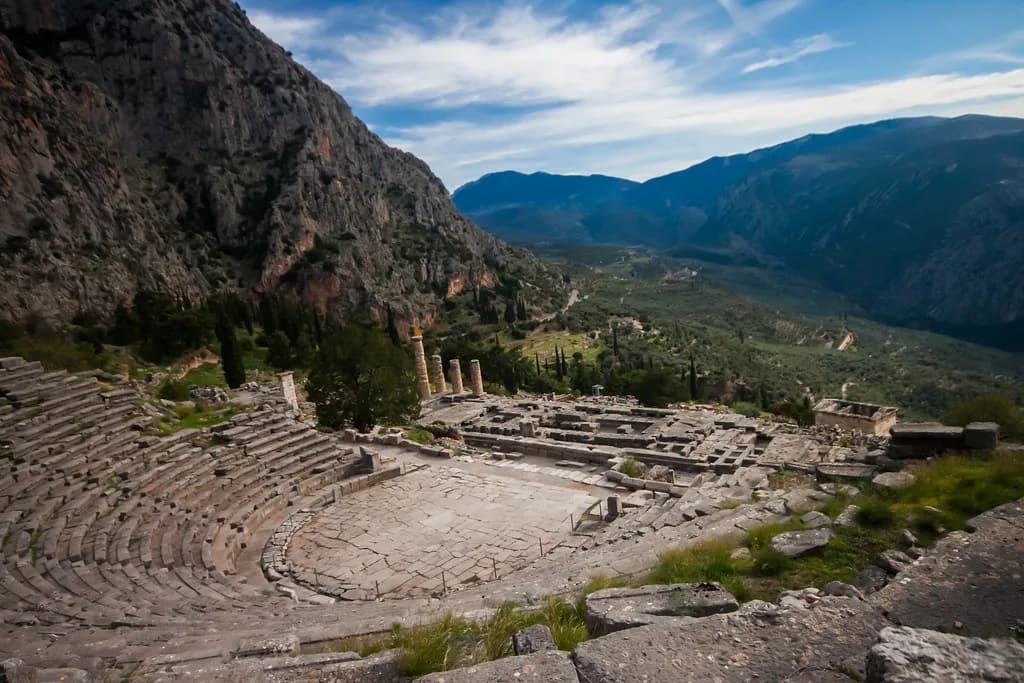
Delphi is more than an archaeological site; it is a living cultural stage. Perched on the slopes of Mount Parnassus, the town of Delphi hosts a vibrant festival season that brings the ancient theater and modern cultural venues to life. For visitors, this means an opportunity to experience performances in one of Greece's most atmospheric settings, right next to the Sanctuary of Apollo.
Planning a trip around these events requires a practical approach. Because schedules, venues, and ticket availability can change, it is wise to book accommodation and transport in advance and to check the official organizer's website before you go. This guide covers the key cultural events, the best times to visit, and how to combine performances with exploring the archaeological treasures of Delphi.
The Delphic Festival: Historical Roots and Modern Revival
The Delphic Festival has its roots in the early 20th century, when poet Angelos Sikelianos and his wife Eva Palmer-Sikelianos organized performances at the ancient theater to revive the spirit of ancient Greek drama. Their vision is preserved in the Museum of the Delphic Festival, which offers a glimpse into their romantic and idealist world.
Today, the festival continues this legacy, hosting concerts, theater productions, and other performances at venues throughout Delphi and the surrounding region. While the specific dates and lineup vary each year, the festival typically runs during the summer months, from late June to mid-August, as a series of cultural events. For the most current schedule, check the official festival website or local listings.
Delphi's cultural calendar is part of a larger national tapestry. If you are flexible, you can combine a visit with other renowned celebrations across the country, such as the Athens Epidaurus Festival. Learning about the range of festivals in Greece helps you decide which experiences match your travel style and timing.
Key Venues: Ancient Theatre, European Cultural Centre, and the Museum
The Ancient Theatre of Delphi, with its stunning views over the olive groves and the Corinthian Gulf, is a spectacular venue for performances. The theater is located within the archaeological site, so verify whether your ticket includes site access. Many visitors combine a performance with a daytime exploration of the ruins.
The European Cultural Centre of Delphi is another major venue, set in a modern complex that includes a sculpture park and spaces for temporary exhibitions. Nearby, the Museum of the Delphic Festival, housed in the former home of the Sikelianos family, provides historical context and a quieter cultural experience.
When you attend an event, note the exact venue because they are spread out. For example, you might attend a performance at the Ancient Theatre on one evening and a concert at the Cultural Centre on another. Plan your walking routes or transport accordingly, and allow extra time to reach each site.
When to Go: Festival Seasonality and Practical Timing Tips
The festival season in Delphi aligns with the summer tourist season, typically from late spring to early autumn. The guide on theDelphiGuide.com notes that the best periods to visit are spring and autumn, when you can avoid the heat and, in autumn, the excessive crowds. The festival itself usually falls in the summer, so weigh the desire to catch performances against the larger crowds.
If your main goal is to attend festival events, you'll likely need to visit between June and August. However, if you prefer a quieter experience, consider the shoulder seasons, when some cultural events may still occur but the site is less crowded. Always verify the exact festival dates with the organizer, as they change from year to year.
Combining Performances with Archaeological Site and Museum Visits
A one-day visit to Delphi is the minimum to see the archaeological site and the Delphi Archaeological Museum, but to fully enjoy the cultural scene, plan for two to three days. This allows you to explore the ruins, visit the museums, and attend an evening performance without rushing.
Consider visiting the archaeological site early in the day to avoid the tour groups, then spending the afternoon at the European Cultural Centre or the Museum of the Delphic Festival. End your day with a performance at the Ancient Theatre as the sun sets, creating a memorable combination of ancient history and live culture.
For specifics on what to expect when attending a show at the ancient open-air venue, including practical considerations like seating and accessibility, reading up on attending performance at Ancient Theatre of Delphi can help you prepare.
Getting to Delphi and Around: Transport and Parking Notes
Delphi is located about 180 kilometers west of Athens, and you can drive there in two to two and a half hours. Alternatively, an excellent bus service runs from Athens multiple times per day, offering a comfortable and scenic journey of about three hours. These connections make Delphi feasible as a day trip, though an overnight stay is better for festival evenings.
Parking in Delphi can be tricky. There is no designated parking area for private vehicles. Most visitors park on the street, but note that an alternate-side parking rule applies on the main street, Pavlou & Friderikis, based on odd or even months. Once in Delphi, distances between major points of interest are short, so walking is the easiest way to get around.
Practical Tips for Outdoor Performances
Many festival performances are held outdoors, so dress for the weather, especially on cool summer evenings. Bring a light jacket or sweater, as temperatures can drop after dark. Also, check if the venue provides seating; if not, bring a cushion for comfort on stone steps.
Since venues are spread out, plan your route in advance, and allow extra time to find parking or walk from your accommodation. Carry water for hot days, and consider binoculars for a closer view of the stage from the upper tiers of the theater.
Alternative Cultural Experiences: Sculpture Park, Exhibitions, and the Pavilion
Beyond the main festival, Delphi offers year-round cultural attractions. The European Cultural Centre of Delphi is home to a sculpture park and hosts temporary exhibitions. A short walk to the Pavilion, a former tourist pavilion designed by Pikionis that has been renovated into a multi-functional cultural space, offers a magnificent view of the Delphic landscape at sunset.
These attractions provide a deeper connection to the modern cultural life of Delphi and are often open when festival events are not scheduled. They are also ideal for visitors who want to avoid the peak-season hustle and enjoy a more relaxed experience.
Sample Itineraries: One-Day, Two-Day, and Long-Weekend Plans
For a one-day visit, focus on the archaeological site and the Archaeological Museum, with a quick stop at the Museum of the Delphic Festival if time permits. This is a tight schedule and may not allow for an evening performance.
With two days, you can explore the ruins thoroughly, visit the European Cultural Centre and the sculpture park, and enjoy a performance at the Ancient Theatre. This is a balanced itinerary that combines history with culture.
For a long weekend of three or more days, add excursions to nearby attractions such as the Corycian Cave on Mount Parnassus, the coastal town of Itea, or the medieval castle of Amfissa. This extended stay also gives you flexibility to adjust your plans based on festival schedules and weather.
Where to Stay and Eat Near Festival Venues
The modern town of Delphi offers a variety of accommodation options, from budget guesthouses to hotels with views over the valley. TheDelphiGuide.com provides a directory of accommodations and restaurants, along with practical information on public services and transport.
When you book, consider the proximity to festival venues and parking. Many visitors choose to stay in the center of Delphi to be within walking distance of the archaeological site and the Cultural Centre. For dining, you'll find tavernas serving Greek specialties, and some hotels offer restaurants with views. It's wise to reserve dinner tables on performance nights, as they can fill up quickly.
Final Tips for a Seamless Festival Trip to Delphi
Attending a cultural event in Delphi is a unique way to connect with its ancient heritage. To ensure a smooth trip, book your accommodations well in advance, especially if you plan to visit during the festival season. Arrive early to find parking and to explore the site before the performance.
Always confirm the event schedule and ticket details on the official festival website or through reputable local sources, as dates and venues can change. By planning ahead, you can enjoy the best of Delphi's cultural scene while also soaking in its archaeological wonders.
Frequently Asked Questions
How many days are recommended for visiting Delphi?
One day is the minimum to visit the archaeological site and the museum, but for a more relaxed experience that includes cultural events, plan for two to three days.
What are the must-sees in Delphi?
The Sanctuary of Apollo, the Ancient Theatre, the Delphi Archaeological Museum, and the European Cultural Centre of Delphi are top attractions.
What is the most popular Greek festival?
Greece hosts many famous festivals, including the Athens Epidaurus Festival and the Delphic Festival, each offering unique performances in historic settings.
When is the best time to visit Delphi for cultural events?
The summer months typically have the most cultural events, but spring and autumn are also good times to visit with fewer crowds.
How can I attend the Delphic Festival?
Check the official festival website for current schedules and ticket information. Tickets are often available online, and attendance may be free for some events.