
The Rencontres d'Arles, one of the world's most influential photography festivals, transforms the southern French city each summer into a sprawling exhibition space. For its 57th edition in 2026, the festival opened on July 6 with a scheduled closing date of October 4, offering nearly three months to explore a program that stretches across Roman ruins, medieval churches, and industrial heritage sites. Whether you're planning a short visit during the lively opening week or a leisurely trip later in the season, understanding the festival's rhythm helps you make the most of your time.
The festival's longevity is remarkable. Founded in 1970 by photographer Lucien Clergue, historian Jean-Maurice Rouquette, and writer Michel Tournier, it has grown into a global meeting point for photographers, curators, and enthusiasts. With over 175,000 visitors in 2025, the event set an attendance record, cementing its reputation as a must-see cultural destination. For a comprehensive overview of how the festival works, from ticketing to planning your days, refer to the Rencontres de la Photographie Arles guide.
2026 Festival Dates and Duration
The 2026 festival opened on July 6, with the season scheduled through October 4. Its opening week was July 6–12, which is now a past part of the programme. This extended summer season allows visitors to enjoy the exhibitions at a more relaxed pace, with the city less crowded after the initial frenzy. Unlike many festivals that last just a few days, Arles's three-month duration makes it accessible to a wider audience, accommodating summer vacations and spontaneous weekend trips.
The festival's theme for 2026 is "Des mondes à relire" (Worlds in View), curated by director Christoph Wiesner. This program deliberately embraces complexity, featuring a strong focus on post-colonial African photography, Mediterranean cross-currents, and the living world. It also coincides with the bicentenary of photography's invention, adding an extra layer of historical resonance to the exhibitions. As the dates are confirmed for 2026, keep in mind that future editions may shift slightly; checking the L’Art de la Photo’s festival guide is always wise.
Opening Week: What to Expect
The opening week is the festival's most intense period, offering a concentrated burst of vernissages, talks, and performances. The published 2026 opening-week dates were July 6–12; those dates have passed, so later visitors should focus on the exhibitions still included in their travel period. Expect guided exhibition tours, round-table discussions, and a lively atmosphere that extends into the evenings. Many visitors time their trips for this week to catch the world premieres and mingle with the artists.
After dark, the program shifts to the Théâtre Antique, where large-scale projections and live-music-scored shows take place on select nights. The closing night of the opening week often features a marathon event, such as La Nuit de l'Année, which the 2026 opening-week programme placed at an industrial site with multiple screens playing until the early hours. For a detailed breakdown of events during these seven days, including independent parties and book fairs, the Rencontres d'Arles photography openings vernissage weekend guide is an excellent resource.
One of the highlights of the opening week is the Arles Books Fair, which in 2026 runs from July 7–11. Hosting over eighty international publishers, it offers book signings, launches, and a chance to discover the latest photobooks. For photographers, the portfolio reviews organized during this week are a valuable opportunity for professional feedback, with sessions led by editors and curators. These events are best booked in advance, as availability tends to be limited.
The Program: Exhibition Themes and Highlights
The 2026 program is organized into major thematic sections that blend historical retrospectives with contemporary commissions. A centerpiece is "Ghana! Dreaming Independence, 1957–1976" at the Palais de l'Archevêché, exploring two decades of post-independence visual culture. Another significant showcase, "Animal Model – 200 Years of Photography," brings together over 200 works tracing the representation of animals from the 19th century to today, featuring artists like Martin Parr and Sebastião Salgado.
Several exhibitions honor major figures in photography. "This Way to Heaven" at the Chapelle du Museon Arlaten marks the centenary of William Klein's birth, while "Wandering Lights" at Église Sainte-Anne surveys the career of Ming Smith, and "A Sense of Place" at Chapelle Saint-Martin du Méjan presents Harry Gruyaert's color work. The festival also provides a platform for emerging voices through the Louis Roederer Foundation Discovery Award, which in 2026 features seven artists whose work addresses systemic censorship and historical truth.
Rather than being confined to a single central location, the festival is woven into the fabric of Arles, with exhibitions in venues such as the Chapelle Méjean, the Église des Trinitaires, and the industrial spaces of the Parc des Ateliers. To plan your route efficiently, consider examining the Rencontres d'Arles venues map and locations to understand the distances between sites. This will help you group nearby exhibitions and minimize walking time under the Provençal sun.
Beyond the Exhibitions: Events, Talks, and Night Screenings
Photography festivals are rarely limited to static displays, and Arles exemplifies this with a rich slate of side events. The opening week features concerts, such as a live performance by accordionist Tuur Florizoone interpreting Harry Gruyaert's color palettes, and talks on decolonizing images with artists like Katia Kameli. These events facilitate conversations that extend beyond the walls of the venues, creating an environment where ideas about the medium are exchanged late into the evening.
Nighttime is particularly memorable, with the Théâtre Antique serving as an open-air cinema for projections accompanied by live music. The festival's independent scene also thrives, with pop-up galleries, bookshops, and bars contributing to a festive urban atmosphere. For those seeking practical advice on navigating all these activities, including ticketing options and daily schedules, the Rencontres d'Arles photography festival tickets prices page offers updated information that complements your planning.
Practical Information: Tickets, Hours, and Venues
Most exhibitions at the Rencontres d'Arles require a ticket, with a variety of passes available to suit different needs. The full exhibition pass grants access to all official venues and is valid for the entire festival duration, while a day pass is ideal for shorter visits. Free admission is typically offered for children under 18, but other categories such as residents and disability concessions are verified on the official website, so checking current eligibility is recommended before your visit.
Standard exhibition hours are from 9:30 am to 7:30 pm daily, but individual venues may have variations, especially for outdoor installations or special evening events. Since opening hours can change without notice, it's prudent to look up the specific schedules on the festival's official platform or at the venue entrances. Also note that certain workshops and guided tours may require separate registration or fees; these details are always published with the event listings. For full transparency on admissions, the Arles tourist office page confirms that tickets generally include access to all public exhibitions and panel discussions, with extra charges for optional activities.
When planning your days, factor in travel time between venues; Arles is a compact city, but the festival spreads into neighboring towns like Aix, Marseille, and Avignon for satellite events. To make the most of your time, decide whether you want to explore a single neighborhood in depth or hop across the city. For a deeper dive into where to stay to be within easy reach of key venues, the Where to Stay for Les Rencontres d'Arles guide offers strategies based on your preferences.
Tips for Visiting the Festival
To make the most of your visit, plan at least two days to see the major exhibitions without rushing. Start early in the morning to beat the heat and the crowds, and consider breaking for lunch in the city's historic center. During the opening week, it's wise to book accommodation well in advance, as the influx of visitors can be overwhelming. Check out our comprehensive festivals in France for more inspiration that you can pair with your trip to Arles.
For families, the festival is surprisingly accommodating, with many exhibitions interactive and visually intuitive for children. The program typically includes workshops for younger visitors, but confirming the schedule for your dates is essential. Also, remember that Arles is a small city, so be prepared to walk; comfortable shoes are your best ally. If you're visiting after the opening week, you'll find a more relaxed pace, allowing you to linger longer at each venue without the crowds.
For independent travelers, a day pass or the full festival pass might be your best endpoint. Many visitors combine the festival with trips to the Camargue or the Luberon, taking advantage of the festival's location in one of France's most picturesque regions. The How to Visit the Rencontres de la Photographie in Arles (2026 Guide) provides a step-by-step approach to planning, including how to reach Arles and what to pack for the season.
Why Go to Arles for Photography?
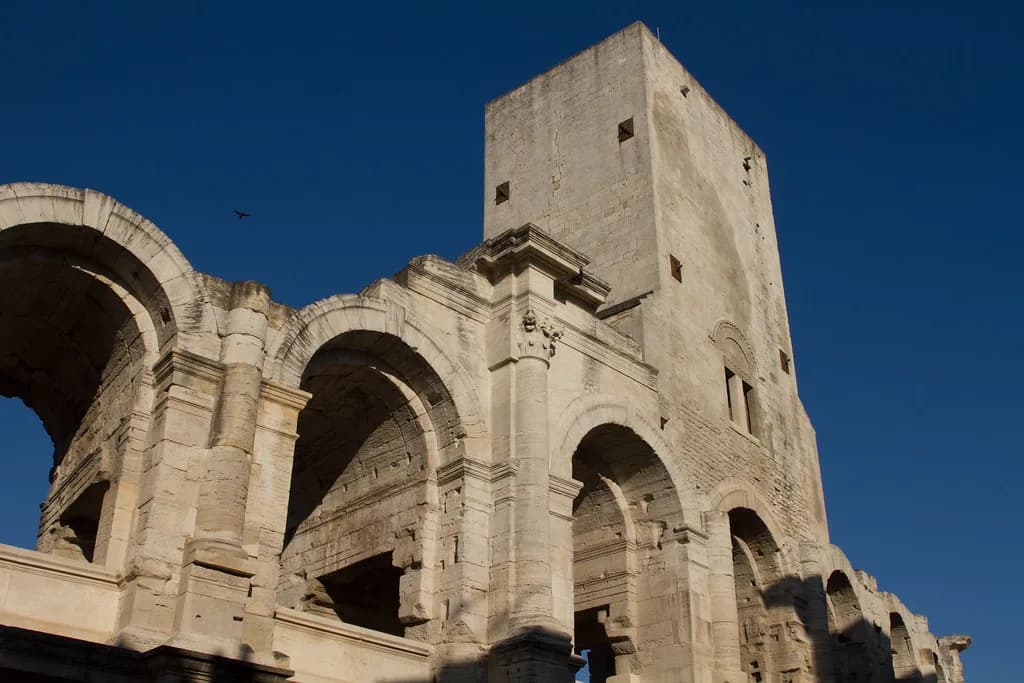
Arles offers more than just a festival; its Roman heritage, UNESCO-listed monuments, and association with Van Gogh create a unique backdrop for photography. The interplay between ancient stone and contemporary images casts the exhibitions in an atmosphere of layered history that you won't find in a conventional museum or gallery.
Moreover, the festival's influence extends beyond its exhibitions, often igniting impulses in visitors. The town's creative energy is palpable, thanks in part to the presence of the photography school ENSP and the LUMA Foundation. This convergence of institutions makes Arles a year-round destination for photography enthusiasts, though the summer months are undeniably its zenith.
In 2026, the festival also reflects on the past 56 editions, charting the evolution of photographic practice and criticism. This historical self-awareness is evident in the retrospective sections that honor pioneers like William Klein while simultaneously engaging with contemporary issues. For a deeper understanding of what draws thousands each year, our Rencontres d'Arles 2026 Guide offers a curated perspective that enhances your appreciation of the medium's role in shaping cultural discourse.
Plan Your Visit
The Rencontres d'Arles 2026 promises a rewarding journey through the art of photography, set against the timeless beauty of a Provençal city. With its confirmed dates from July 6 to October 4 and the opening week July 6–12, you have ample opportunity to tailor your visit to your interests and schedule.
Whether you're a professional photographer seeking portfolio reviews or a casual enthusiast wanting to soak up visual inspiration, the festival's diverse program and vibrant atmosphere cater to all. By planning ahead and using the resources we've provided, you'll be well-equipped to navigate the exhibitions, events, and practicalities with ease.
Frequently Asked Questions
What are the dates for Rencontres d'Arles?
The 2026 season opened on July 6 with a scheduled closing date of October 4. Its opening week was July 6–12, when the majority of exhibitions and events are launched. For future editions, the festival typically takes place during the summer months, but you should always verify the exact dates on the official website.
How long does the festival last?
The festival lasts for three months, from early July to early October. This extended duration allows visitors to see the exhibitions over a longer period, with the opening week offering the most concentrated program of events. After the opening week, most exhibitions remain open until early October.
What is the opening week?
The opening week is the festival's first seven days, filled with vernissages, talks, portfolio reviews, and night screenings. It's the most dynamic period, attracting photographers, curators, and editors from around the world. Many events during this week, such as the Arles Books Fair, are only available at this time.
What is the program like?
The program for 2026 is organized around themes such as post-colonial Africa, Mediterranean journeys, and forms of life. It includes large retrospectives of photographers like William Klein and Ming Smith, as well as emerging voices through awards and discovery exhibitions. The diversity of venues adds to the variety.
Are there tickets required?
Yes, most exhibitions require a ticket. The festival offers various passes, including a full exhibition pass and day passes. Admission is free for children under 18, and there are reduced rates for groups and students. Always check official sources for current ticket options and prices.
Is the festival family-friendly?
The festival is family-friendly, offering many open-air and interactive installations that appeal to children. Some exhibitions and activities may have age recommendations, but generally, families find the festival engaging. Check the program for specific family-oriented events during your visit.
