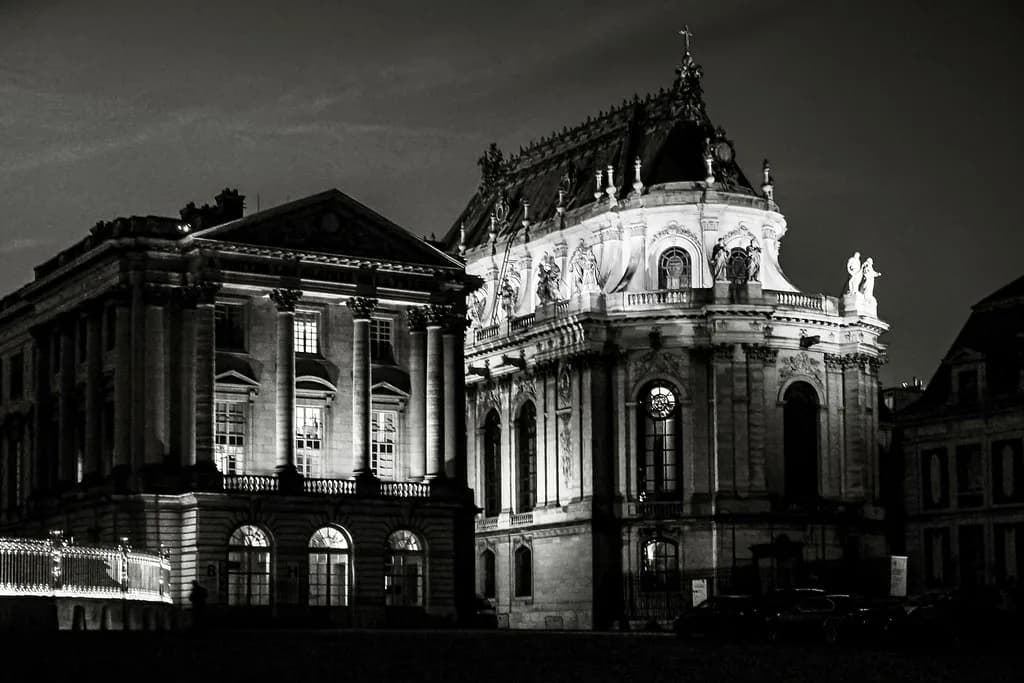
Every June, the city of Versailles in Île-de-France transforms into an expansive stage for the Mois Molière festival, a month-long celebration of live theatre. The festival takes over courtyards, gardens, and intimate venues across the city, offering everything from classical plays by Molière and Marivaux to contemporary works and family shows. It is a chance to experience the historic city beyond its château and royal heritage.
The event was founded in 1996 by François de Mazières, the mayor of Versailles, with a mission to make theatre accessible to as many people as possible. Over the years it has grown into a major cultural landmark for the region, with its 2026 edition—the 30th anniversary—featuring nearly 350 performances across more than 60 venues. That edition ran from May 30 to June 30 and has since concluded, so details from it serve as historical examples of what the festival offers.
This guide covers what to expect from the festival, the types of venues and shows, and how to plan your trip. Since the official program for upcoming editions is not yet published, we'll direct you to the best sources for current information and ticket booking.
What is the Mois Molière Festival?
The Mois Molière is a performing arts festival held in Versailles, France, each June. It mixes classical and contemporary theatre, dance, and music, with a strong emphasis on accessibility. Since its creation, the festival has aimed to take performances out of conventional settings and present them in the city's emblematic and intimate locations, making theatre approachable for both regular audiences and newcomers.
The festival also supports emerging companies, offering residencies to about a dozen troupes throughout the year and linking them to school outreach programs. Many artists have premiered their first works in Versailles before taking them to the famous Off d'Avignon, which takes place in July. This relationship extends to programming at sites like the Petit Louvre and the former Carmel in Avignon.
Founded by the city's mayor, François de Mazières, the festival has grown into a hallmark event for the Île-de-France region. While its 2026 edition was the 30th anniversary, the festival has been evolving since 1996, continually expanding its reach and nurturing both established and up-and-coming artists.
When Does the Mois Molière Take Place?
Historically, the Mois Molière takes place during the month of June, transforming Versailles into an open-air stage for several weeks. The 2026 edition, for instance, ran from May 30 to June 30. However, exact dates for future editions depend on the official calendar, which the city usually announces well in advance.
As of this writing, the official festival page states that the 2026 edition is over and that the city is already looking toward next year, with a new program to be revealed. To avoid disappointment, always check the organizer's website for the confirmed dates before making travel arrangements.
Where Performances Are Held
A distinctive feature of the Mois Molière is its setting in the courtyards and gardens of Versailles, which become atmospheric outdoor theatres. For example, the Cour de la Grande Écurie—the Grand Stables courtyard—is a frequent venue for major productions, hosting adaptations of Ionesco, Saint-Exupéry, and Alexandre Dumas in past editions.
Other notable open-air spots include the Potager du Roi, the King's Kitchen Garden, which in recent editions hosted “Perceval, the Tale of the Grail,” a narrated and sung stroll inspired by Chrétien de Troyes, and the courtyard of the Hôtel des Affaires étrangères, an elegant venue for intimate pieces. These settings blend heritage with performance, letting audiences rediscover the city's architecture from a new perspective.
When the weather doesn't cooperate or for a more classic experience, the festival uses indoor venues such as the Claude Debussy Auditorium and the Université Ouverte (Open University) of Versailles. The variety of spaces means you can enjoy a large-scale historical drama one evening and a quiet two-character piece the next.
What to Expect: Program Highlights
The Mois Molière balances classic texts with contemporary writing, popular formats, and family-friendly offerings. In the 2026 anniversary edition, for example, the program featured adaptations of Flaubert's “Bouvard & Pécuchet,” Balzac's “Lost Illusions,” and Marivaux's “The Second Surprise of Love,” alongside new works and shows for all ages. This mix, which often includes free performances, reflects the festival's aim to be inclusive.
Historical examples from that year include “The King Is Dying” by Ionesco, staged in the Grand Stables Courtyard on June 27 and 28, and “Le Grand Meaulnes,” an adaptation of Alain-Fournier's novel, performed at the Cour de l'Hôtel des Affaires étrangères on June 20. Another highlight was “Napoleon,” adapted and directed by Maxime d'Aboville, which used texts by Chateaubriand, Hugo, Dumas, and Tolstoy to trace the making of the imperial myth.
Family shows are a key part of the program. The 2026 festival opened on May 30 with “Louison and Monsieur Molière,” a family-friendly production in the Grand Stables courtyard, and also featured “Potager Fantasies” at the King's Kitchen Garden on June 6, 7, and 13. For those interested in contemporary works, the festival regularly includes recent creations, such as “Milady,” a reimagining of The Three Musketeers that places Milady de Winter at the center of the story.
The program is typically complemented by amateur troupes and musical ensembles, expanding the range of shows available. Because specific titles and dates vary from year to year, the best approach is to consult the official program, which the city publishes on its website along with details for each edition.
Booking Tickets and Practical Information
Tickets for Mois Molière performances can be booked through the official billetterie (ticket office) on the festival's website. The site also mentions a 'bourse aux billets'—a ticket exchange—which can be handy if a show is sold out. However, the exact ticket prices and on-sale dates have not been announced for future editions, so check the official channels for updates.
A large portion of the performances are offered with free admission, in line with the festival's ethos of making theatre accessible to all. This often applies to shows in public spaces, but free events may require reservation. To be safe, confirm the admission details for each performance when you book.
The festival is generally accessible, and organisers aim to welcome people with disabilities. The Versailles tourism office's page provides a general description and suggests contacting them for program details; it notes that the venue at 1 place du Maréchal is a point of contact. For specific accessibility information for each venue, contact the festival directly.
Tips for Combining the Festival with Exploring Versailles
Attending the Mois Molière is an excellent way to see Versailles beyond its château. Between performances, explore the city's historic districts, markets, and gardens. Since many shows take place outdoors, dress for the weather and arrive early to find a good spot, especially for free performances that might attract large crowds.
If you're interested in more formal evening entertainment in the royal setting, consider the château de Versailles soirées royales evenings, which offer another perspective on the palace after dark. For art lovers, the city also hosts a contemporary art exhibition in the château, providing a contrast to the classical theatre of the festival.
Combining your visit with other cultural events in the region can make a longer trip worthwhile. For more ideas across the country, browse our guide to festivals in France, which covers events like Chartres en lumières and many others.
The Festival's Connection to the Off d'Avignon
One unique aspect of the Mois Molière is its partnership with the Off d'Avignon, one of Europe's largest performing arts festivals. In recent years, the Mois Molière has continued its season in Avignon, presenting works by emerging companies at venues such as the Petit Louvre and the former Carmel.
This connection offers artists a springboard from Versailles to the international stage, and it enriches the French theatre landscape. For audiences, it is a chance to follow the journey of a production from its premiere in a Versailles courtyard to the vibrant atmosphere of the Avignon festival in July.
How to Stay Updated on Future Editions
Since the Mois Molière's dates and program are subject to change, the surest way to plan your visit is to consult the official sources. The festival website (moismoliere.com) provides the most current information about the program, while the Versailles tourism office (versailles-tourisme.com) also publishes updates on the event.
Subscribe to the festival's newsletter or follow its social media accounts to receive announcements about the next edition's dates and ticket sales. For those planning a broader cultural trip, remember that festivals in France offer a wide range of experiences across the country.
Frequently Asked Questions
What is the Mois Molière festival?
The Mois Molière is an annual theatre festival held in Versailles, France, throughout the month of June. It offers a rich program of classical and contemporary performances, many in outdoor settings, with a strong focus on accessibility, including several free shows.
Where does the Mois Molière festival take place?
The festival uses a variety of venues across Versailles, including the Cour de la Grande Écurie, the Potager du Roi, the courtyard of the Hôtel des Affaires étrangères, and indoor spaces like the Claude Debussy Auditorium.
When is the Mois Molière festival?
Historically, the festival takes place in June. Exact dates for future editions are announced by the organizer on the official website, so it's best to check there for the latest information.
How do I book tickets for Mois Molière?
Tickets can be booked through the official ticketing service (billetterie) on the Mois Molière website. The site also mentions a ticket exchange (bourse aux billets) for sold-out shows. Prices and on-sale dates are not fixed and should be checked on the official channels.
Are there any free performances at Mois Molière?
Yes, a significant portion of the program is free of charge, in line with the festival's mission of accessible theatre. However, some free events may require advance reservation, so it's advisable to confirm details for each performance.
What kind of plays are staged during Mois Molière?
The program includes classical French plays by writers like Molière and Marivaux, as well as adaptations of literary classics, contemporary works, family shows, and even musical performances. This diversity reflects the festival's aim to please all audiences.