
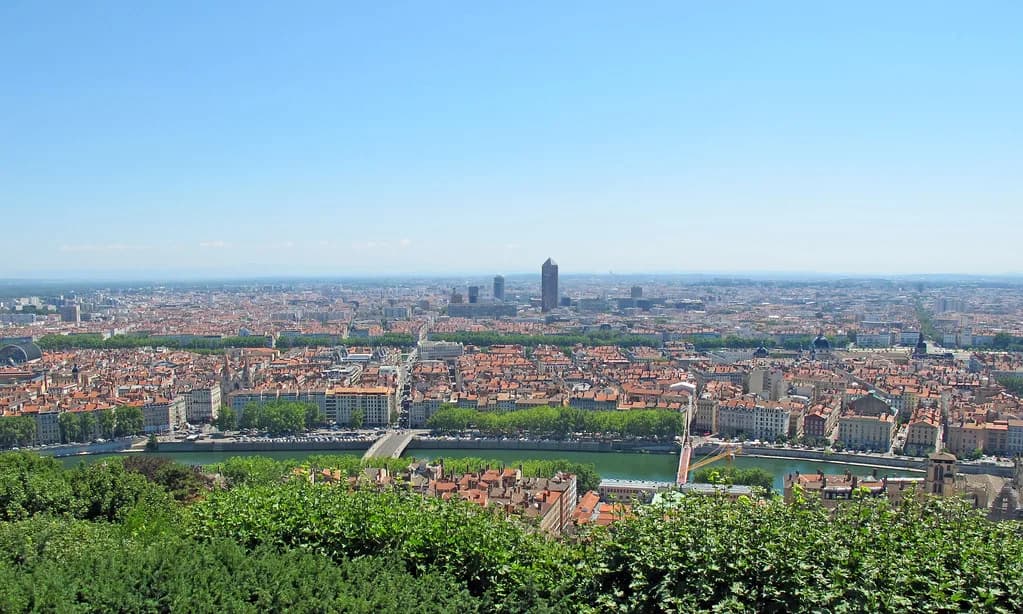
The Lyon Contemporary Art Biennale is a major international event that transforms the city of Lyon into a sprawling canvas for contemporary art. For its 18th edition, running from September 19 to December 13, 2026, the Biennale invites visitors to experience the city anew under the theme "Passer d'un rêve à l'autre / To pass from one dream to another." Through this lens, the event occupies not only museums but also passageways, courtyards, and even a metro station, encouraging exploration beyond conventional gallery spaces.
Whether you're a seasoned art enthusiast or a curious traveler, this guide offers practical information on dates, venues, ticketing, and how to make the most of the festival's integration with the city. Since details like prices and specific programming can change, always check the official Biennale de Lyon website for the most current information.
When Is the Lyon Biennale?
The Lyon Biennale of Contemporary Art is typically held in the autumn of even-numbered years. The 2026 edition is confirmed for September 19 to December 13, with the opening weekend at macLYON featuring exhibitions and open-air DJ sets on September 19 and 20. This consistent timing allows visitors to plan ahead, but always verify the official dates for each new edition as they are announced.
Historically, the event has faced postponements, such as the edition initially scheduled for 2021 which ran until September 2022. Such shifts highlight the importance of checking the official sources before making travel arrangements, as dates can occasionally be adjusted for logistical or other reasons.
How to Get Tickets
Tickets for the Lyon Biennale are available through the official Biennale de Lyon website, which offers a range of options including standard admission, reduced rates for certain groups, and combined passes that may offer better value for visiting multiple venues. The website also provides detailed information on pricing tiers, opening hours for each site, and special events, ensuring you can tailor your visit to your interests.
Because the Biennale spans numerous venues, some of which are free or have separate entry fees, it's wise to review the official practical information section to understand the full scope of what's included in a single pass. For specific prices and to purchase tickets, refer to the official ticketing page, as rates may vary by category and are subject to change.
Key Venues for the 2026 Edition
The 2026 edition expands across the city with a diverse range of venues. The central hub is macLYON – Musée d'art contemporain, located at the Cité Internationale, which is closed for installation until September 19. Other primary sites include les Grandes Locos, the Musée des Tissus et des Arts décoratifs, and the Traboules of the slopes of Croix-Rousse, offering a blend of contemporary architecture, historic interiors, and hidden passageways.
Additional venues announced for this edition include the Jardin du musée des Beaux-Arts, the Institut d'art contemporain in Villeurbanne, the Musée des Confluences, the Fondation Bullukian, Parking LPA Saint-Antoine, and even the Métro B station at Gare Part-Dieu. This eclectic mix encourages visitors to discover the city in new ways, from cultural institutions to unconventional urban spaces.
Each venue contributes to the overarching theme of "passing from one dream to another," with installations and exhibitions that respond to the character of their surroundings. For instance, the Traboules—historic covered passageways unique to Lyon—offer an intimate setting for site-specific works, weaving art into the fabric of everyday urban life.
To navigate between these dispersed sites efficiently, consider planning your route in advance. Many venues are located within walking distance in the Presqu'île and Croix-Rousse districts, while others, such as the Institut d'art contemporain and the Musée des Confluences, are accessible by metro, bus, or bike, making a multi-venue trip both feasible and rewarding.
How the Biennale Integrates with the City
The Lyon Biennale is renowned for its innovative use of urban spaces, transforming passageways and unusual locations into art destinations. This approach not only promotes exploration of the city's rich architecture but also challenges viewers to reimagine their surroundings. By inhabiting these passageways, the festival creates a unique dialogue between contemporary art and Lyon's historical urban fabric.
In 2026, the Biennale continues this tradition by commissioning new works for sites like the Parking LPA Saint-Antoine and the metro station, demonstrating that art can thrive in the most unexpected places. This integration also extends to partnerships with local institutions like the Institut d'art contemporain in Villeurbanne and the Fondation Bullukian, enriching the cultural landscape across the greater Lyon area.
The curatorial vision emphasizes the city itself as a medium, with works spread across these various locations. This approach aligns with the broader contemporary art trend of site-specific installations, which you can explore further through resources like the Biennial Foundation's profile of the Lyon Biennale, offering context for its evolution.
Planning Your Visit
Good planning is essential to navigate the Biennale's wide array of venues. The city's public transport network, including metro, bus, and bikes, connects most sites efficiently. For those driving, note that macLYON is accessible via car parks along the quai Charles de Gaulle, and many venues have nearby parking options. Accessibility varies by location; for example, macLYON provides detailed access information for visitors with reduced mobility on its official page.
While the Biennale is a major draw, combining it with other cultural attractions in Lyon can enrich your visit. For instance, you might explore the permanent collections at the Musée des Confluences or the Fondation Bullukian, offering a broader perspective on art and science. Additionally, timing your visit to coincide with other events, such as the Lyon Festival of Lights in December, can create a full itinerary of cultural experiences.
To make the most of your time, check the opening hours for each venue as they may differ. Some sites, like the Traboules, are public passageways and may have limited access times. The official Biennale website provides up-to-date visitor information, including maps and suggested itineraries, so you can plan efficiently.
What to Expect
The 2026 Lyon Biennale promises a substantial exhibition with 46 new artists joining the programme, alongside a select group of previously announced participants. The full artist list includes internationally recognized figures like Laure Prouvost, Susan Philipsz, and Thu-Van Tran, as well as emerging voices such as Akwasi Bediako Afrane and Huda Takriti, ensuring a diverse and thought-provoking lineup.
Given the scale of the exhibition, visitors should allocate at least two to three days to explore the primary venues comfortably. The festival atmosphere extends beyond the artworks with events like opening weekend DJ sets, talks, and performances, making it a lively cultural gathering.
Beyond the Biennale: Other Contemporary Art in Lyon
If the Biennale piques your interest in contemporary art, consider exploring Lyon's permanent art scene. The Institut d'art contemporain in Villeurbanne, a partner in the Biennale, hosts rotating exhibitions and is a key institution for avant-garde work. Similarly, the Musée des Confluences offers a fascinating blend of anthropology and art, while the Fondation Bullukian supports contemporary creation in a historic setting.
These venues often complement the Biennale's offerings, allowing visitors to delve deeper into specific artists or themes. For a comprehensive experience, you might also consult the macLYON's "Elsewhere in Lyon" section, which recommends other cultural events and exhibitions happening simultaneously.
Plan Your Visit
The Lyon Contemporary Art Biennale 2026 offers a unique opportunity to experience art woven into the city's urban fabric. From its vibrant theme and diverse venues to the practical aspects of ticketing and transport, planning ahead ensures a fulfilling visit. Whether you're a dedicated art traveler or a curious newcomer, this festival promises discovery and inspiration.
To stay updated and secure your attendance, regularly check the official Biennale de Lyon website for the latest announcements on dates, artists, and ticket sales. If you're planning a broader French cultural tour, explore the many other festivals across France to enrich your journey.
Frequently Asked Questions
When is the Lyon Contemporary Art Biennale?
The Lyon Contemporary Art Biennale is typically held in autumn of even-numbered years. The 2026 edition runs from September 19 to December 13. Always confirm the exact dates on the official website, as they can change.
Where is the Lyon Biennale held?
The Biennale takes place across multiple venues in Lyon, including macLYON, les Grandes Locos, Musée des Tissus, Traboules of Croix-Rousse, Institut d'art contemporain in Villeurbanne, and unconventional sites like a parking lot and metro station.
How can I get tickets for the Lyon Biennale?
Tickets can be purchased through the official Biennale de Lyon website. Various ticket types are available, but specific prices vary and should be checked directly on the official site to ensure accuracy.
What is the theme of the Lyon Biennale 2026?
The theme is "Passer d'un rêve à l'autre / To pass from one dream to another," which shapes the exhibitions and use of the city's passageways and venues.
What does 'biennale' mean?
The term 'biennale' comes from the Italian word for 'every other year,' referring to an event that takes place biennially, typically spanning a few months.